Have you ever taken off your sneakers after a long day and noticed how warm, damp, or heavy they feel? Traditional footwear often manages comfort by adding foam, lining, stitching, and support layers. 3D printed shoes take a different route. They use digitally engineered structures to create cushioning, airflow, flexibility, and support within the shoe itself. In this guide, we explain how the technology works and what it can offer in real daily wear.
Quick Takeaways
- 3D printed footwear is produced layer by layer from a digital design.
- Lattice geometry can control cushioning, support, flexibility, and airflow.
- Open structures can improve drainage and make shoes easier to rinse and dry.
- One-piece printing can reduce reliance on seams, glue, and stacked layers.
- Fit, material quality, lattice design, and intended use still matter when choosing a pair.
What Are 3D Printed Shoes?
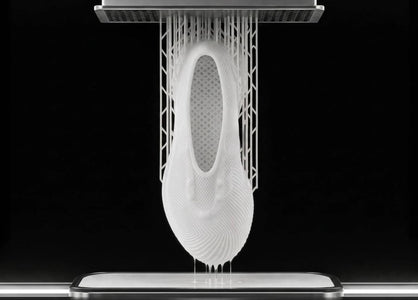
3D printed shoes are footwear made in whole or in part through additive manufacturing. Instead of cutting many pieces from sheets of material and assembling them, a printer builds the required structure one layer at a time from a digital model.
Not every shoe labeled “3D printed” is made in the same way. Some conventional sneakers use only a printed midsole, while the upper and outsole are produced traditionally. Other designs use one-piece printing to create a much more integrated shoe.
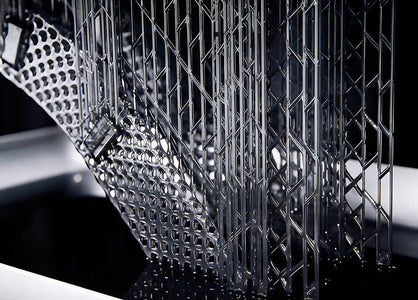
The most recognizable feature is often the lattice: a network of open cells that looks futuristic but serves a mechanical purpose. Designers can change cell shape, wall thickness, and density to influence how different areas bend, compress, ventilate, and recover.
You can explore these differences in more detail in our guide to 3D printed shoes vs traditional shoes, where we compare their construction, cushioning, breathability, durability, and daily performance.
How Do 3D Printed Shoes Work?
Digital Design Comes First
The process starts with a three-dimensional footwear model. Designers define the external shape, internal space, support zones, ventilation paths, and flex points before printing begins. For a closer look at the manufacturing process, see our guide to how 3D printed shoes are made
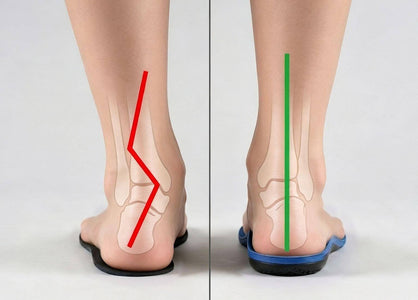
Because the structure is digital, it can be adjusted more precisely than a uniform block of foam. A heel zone may use a softer, more compressible pattern, while the arch can use a denser geometry for firmer support. This is one of the most important benefits of 3D printed shoes: mechanical behavior can be designed into the structure.
The Lattice Creates Cushioning and Support
Traditional sneakers usually rely on foam thickness for softness. A printed shoe can instead use controlled lattice deformation. When you step down, the cells compress. As you lift your foot, they recover and help return the structure towards its original shape.
This does not mean every lattice feels the same. Cushioning depends on the geometry, material, density, shoe size, and intended activity. Good design balances softness with stability so the foot does not simply sink into the structure.
Flexible Materials Make the Shoe Wearable
Footwear cannot be printed from rigid plastic and expected to move comfortably. Commercial 3D-printed sneakers use flexible elastomeric materials designed to bend, rebound, and withstand repeated movement. The choice of 3D printed shoes material also affects flexibility, durability, comfort, and how the finished shoe performs in everyday use.
After printing, a shoe may also require cleaning, curing, finishing, inspection, and performance checks. Printing is only one part of creating wearable footwear. Material selection and quality control are equally important.

Why Lattice Technology Changes Everyday Comfort
Lattice performance depends on its geometry, material, and density. The figures below relate to Nexbie’s own materials and selected footwear designs rather than every 3D printed shoe on the market.
Cushioning Through Geometry
Softness is only one part of comfort. The way pressure moves through the shoe also matters. By changing cell size, wall thickness, and lattice density, designers can create softer compression zones beneath the heel and firmer support around the arch or sides of the foot.
A 2024 peer-reviewed study of 3D printed lattice shoe soles involving 20 participants found that selected auxetic structures increased foot-contact area, reduced peak pressure in several regions, and received higher comfort ratings than the non-auxetic printed design.
At Nexbie, our high-rebound polyurethane material retained 92% of its measured mechanical performance after 100,000 flex cycles. This helps the lattice continue compressing and recovering through repeated movement instead of providing responsive cushioning only when the shoe is new.
Breathability and Drainage

Traditional breathable shoes often depend mainly on mesh panels, while the foam, lining, and sock liner remain relatively enclosed. An open printed structure can create airflow and drainage paths through more of the shoe.
Some of our shoes use more than 80% open space across the lattice structure, including the insole. This figure describes the openness of the construction, not an 80% improvement over every traditional shoe.
The open cells allow air to circulate while creating channels for water to escape. This makes the design useful for warm weather, commuting, travel, wet conditions, and routines where shoes need to rinse and dry quickly.
Flexibility and Lighter Movement
3D printing places material where structure is needed and leaves open space where it is not. This can reduce unnecessary bulk while allowing selected areas to bend naturally with the foot.
Our polyurethane-based material has 250% elongation at break and a tear strength of 20 N/mm. These properties help the lattice stretch, flex, and recover without tearing easily as the shoe moves.
The material also retained more than 90% of its measured strength after accelerated hydrolysis and UV-ageing tests. This supports flexibility and structural stability over time, although actual shoe performance will still depend on the model, fit, terrain, and wear conditions.
Together, these results show how an engineered lattice can combine cushioning, ventilation, drainage, flexibility, and performance retention within one continuous footwear structure.
How We Build 3D Printed Footwear at Nexbie
At Nexbie, we see 3D printing as a smarter way to bring comfort into everyday footwear. Powered and operated by Creality 3D Technology, we use industrial 3D printing experience to design shoes around structure rather than stacked padding.
Our open lattice geometry is intended to improve airflow, drainage, pressure distribution, cushioning, and energy return. Instead of adding another membrane or foam layer, we build these functions into the shoe’s architecture.
That approach reflects our broader goal: to make futuristic sneakers practical enough for walking, commuting, travel, and ordinary daily routines. Technology matters most when the wearer can actually feel its benefit.
Aeroraise: Our Everyday Performance Example
Our Aeroraise 3D Printed Sneakers are designed for days that involve more than one type of movement. From morning commutes and extended walks to travel, errands, and light outdoor activity, Aeroraise combines support, cushioning, and airflow in one practical everyday shoe.
The 3D dynamic arch-support structure helps create a stable platform beneath the foot, which can be especially useful during long periods of walking or standing. Its impact-cushioning lattice compresses as you step and rebounds as the foot lifts, helping the shoe remain responsive through repeated movement.
A secure adaptive fit and elastic slip-on closure make the shoe easier to put on while helping it stay comfortably in place. The open lattice also allows air to move through the structure and gives water a clear path to drain, making Aeroraise suitable for warm weather, wet conditions, and routines where shoes need to dry quickly.
A slip-resistant outsole adds confidence across changing surfaces, while the one-piece construction helps the shoe maintain a clean, structured shape. Aeroraise is not designed as a technology showcase alone. It turns 3D printing into practical benefits for people who want supportive, breathabe, and versatile 3D printed sneakers for everyday wear.

Are 3D Printed Shoes Comfortable and Durable?
Yes, well-designed 3D printed shoes can be comfortable for daily wear. Their performance depends on four main factors:
1. Lattice geometry: determines compression, rebound, airflow, and support.
2. Material: affects flexibility, durability, surface feel, and recovery.
3. Fit: controls pressure, heel security, and room for natural movement.
4. Use case: a casual shoe should not automatically be treated as a racing shoe, hiking boot, or safety shoe.
Durability also involves more than lifespan. A daily shoe must tolerate bending, compression, moisture, cleaning, and repeated loading. Buyers should look for clear material information, intended-use guidance, care instructions, and evidence of product testing.
Frequently Asked Questions
Q: How Long Do 3D Printed Shoes Last?
A: There is no universal lifespan. Nexbie footwear is designed for 2+ years of heavy use, but actual durability depends on walking frequency, terrain, body weight, maintenance, and outsole wear. Replace the shoes when grip, cushioning, support, or lattice structure noticeably deteriorates.
Q: How Much Do 3D Printed Shoes Cost?
A: Consumer 3D printed shoes commonly cost around US$100 to US$200, although prices vary by brand, design, material, customisation, and current promotions. More specialised or limited-production models may cost more because they require advanced printing, finishing, and footwear-grade materials.
Q: Can You Wear 3D Printed Shoes Without Socks?
A: Yes, many 3D printed shoes can be worn without socks because their open lattice promotes airflow and contains fewer absorbent layers. Comfort still depends on fit and skin sensitivity. Begin with shorter wear periods and add socks if you notice rubbing, pressure, or irritation.
Q: Can I wash 3D printed shoes?
A: Many designs are easier to rinse because they contain fewer absorbent layers. Always follow the manufacturer’s instructions. Nexbie lists Aeroraise as machine washable.
Summary
3D printed shoes turn the footwear structure into a functional system for cushioning, airflow, drainage, support, and movement. Their open lattices offer a practical alternative to bulky layers and conventional foam construction. For readers ready to experience this technology in daily life, Nexbie Aeroraise combines advanced printing, adaptive support, and breathable comfort in a wearable everyday sneaker.