

While you might love your regular sneakers, they can become heavy, sweaty and stiff after a long walk, a hot commute or a full day on your feet! Hence, many customers now compare 3D printed shoes vs traditional shoes before purchasing. The only real question is whether modern 3D printed sneakers are more comfortable, breathable and flexible than traditional shoes for everyday use.
Quick Takeaways
-
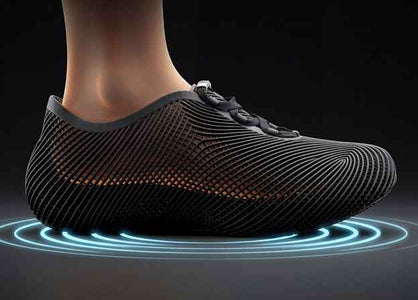
Typically, 3D-printed shoes feature a lattice or open structure, which enhances airflow and flexibility.
-
Traditional shoes use multi-layer materials like cloth, foam, rubber, leather, mesh and glue.
-
Depending on the design, 3D printed footwear might feel lighter, cooler and easier to clean.
-
Traditional shoes provide familiar styles, availability, and performance for particular sports.
-
The right one for you will vary depending on your gait, where you're going and what kind of comfort you require.
What Are 3D Printed Shoes?

3D-printed shoes are shoes constructed through the use of additive manufacturing, which involves printing the shoes layer-by-layer to create a finished shoe or a key shoe part. 3D printing allows for unique cushioning patterns, flexible zones and open structures in a single connected design, rather than relying on stitched panels, glued foam and separate layers.
That's where companies such as Nexbie are aiming to make breathable 3D printed footwear more functional for everyday wear. Our 3D printed designs are all about comfort with structure. The open lattice structure allows for ventilation, drainage, pressure distribution, cushioning and lighter step.
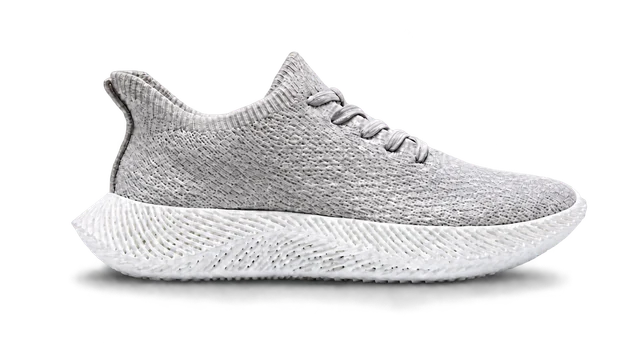
Aeroraise 3D Printed Sneakers, for instance, are shoes for those who desire to wear a shoe that is breathable, cushioned, and suitable for activities like walking, fitness, commuting, and light outdoor wear. They don't seem like some kind of tech experiment, but rather like regular 3D printed casual shoes, albeit with a modern design.
What Are Traditional Shoes?
The traditional shoes are produced with a more common production process. The majority of sneakers are constructed with a blend of upper, midsole, outsole, lining, insole, stitching, adhesive, and, in some cases, overlays and support panels. Every part has a function. The upper is designed to secure the foot, the midsole for cushioning and the outsole for traction and durability.
This system has been effective for decades. The bad news is that traditional shoes are typically based on numerous layers. Additional layers may sometimes result in greater weight, reduced air flow, longer drying time and more surfaces on which the glue or seams can break down over time. But that doesn't mean that traditional shoes are bad. It just means they are comforted in other ways.

What’s the Difference Between 3D Printed and Traditional Shoes?
Construction
The biggest difference between 3D printed shoes and traditional shoes starts with how they are built. Traditional shoes are usually assembled from separate parts: a mesh or fabric upper, foam midsole, rubber outsole, lining, overlays, stitching, and glue. This layered method is familiar, but it can add extra weight and create more areas where the shoe may weaken over time.
Nexbie uses a different construction method. Through one-piece printing and an advanced lattice structure, our shoes are designed to combine support, cushioning, airflow, and flexibility in a more integrated form. Instead of adding more layers to improve comfort, 3D printing lets the shoe's structure do more of the work.
Comfort and Cushioning: Which Feels Better?
Traditional shoes usually depend on EVA, PU, or similar foam materials for cushioning. These foams can feel soft at first, but repeated pressure may cause them to compress over time. When that happens, the shoe can lose bounce, feel flatter, or provide less support during long daily use.
3D printed shoes solve cushioning differently. They use a lattice geometry that compresses and rebounds as the foot moves. This means comfort is created through structure, not just foam thickness. A well-designed lattice can be softer in pressure zones and firmer where support is needed, helping spread force more evenly under the foot.
For users, this can create a more responsive feel. Instead of sinking into bulky foam, the foot gets flexible support that adapts during walking, commuting, errands, and light activity.
Breathability and Temperature Control
Breathability is one of the strongest advantages of 3D printed footwear. Traditional shoes often use mesh panels to improve airflow, but they still include inner lining, foam padding, sock liners, and adhesives. These layers can trap heat and moisture during long wear.

3D printed shoes can make airflow part of the whole design. The open lattice allows air to move through the structure more directly, helping feet feel cooler during walking, travel, commuting, or warm-weather use. This is why breathable footwear is becoming a major reason shoppers consider 3D printed designs over standard sneakers.
Weight, Flexibility, and Movement
Weight affects comfort more than many people expect. Traditional shoes can be lightweight, but they often include several layers of foam, rubber, fabric, and support panels. Over time, that extra material can make shoes feel heavier during long walks or full-day wear.
3D printed shoes can reduce unnecessary material by placing support only where it is needed. This helps create lightweight shoes that still provide structure. The printed lattice can also bend and recover naturally, allowing the shoe to move with the foot instead of feeling stiff.
For daily errands, casual walking, and light activity, this flexibility can make futuristic sneakers feel practical rather than experimental.
Durability and Maintenance

Traditional shoes can last well when used correctly, but their durability depends on the specific materials used. Foam can flatten, mesh can tear, glue can weaken, and fabric can hold stains or odour. Once one layer fails, the whole shoe may become less comfortable.
3D printed shoes can reduce some of these issues because they use fewer stitched or glued sections. A more open and integrated structure can be easier to rinse, drain, and dry. This makes 3D printed designs useful for people who want shoes that handle moisture, heat, and regular movement with less maintenance.
Sustainability and Materials
Sustainability is another important factor when comparing 3D printed shoes vs traditional shoes. Traditional footwear often combines many bonded materials, which can make recycling difficult. Cutting and assembling multiple parts may also create more production waste.
Nexbie’s 3D printed approach places material more precisely, helping reduce unnecessary bulk. Our Aeroraise 3D Printed Sneakers use ELASTO 1000 and include 53% bio-based materials, making them a stronger option for shoppers looking for sustainable shoes.
Combined with one-piece printing, breathable structure, and lightweight comfort, Nexbie shows how 3D printing can make everyday footwear more efficient, modern, and future-ready.
Why Nexbie 3D Printed Shoes Are Different
At Nexbie, we see 3D printing as a smarter way to build everyday footwear. Our goal is to solve common problems found in traditional sneakers, including heat, heaviness, trapped moisture, stiffness, and bulky cushioning.
Instead of relying on stacked layers of foam, fabric, glue, and rubber, we design shoes around an open lattice structure. This allows airflow, flexibility, cushioning, drainage, and pressure support to come directly from the shoe’s design.
Traditional sneakers often improve comfort by adding more material. While extra foam can feel soft, it may also trap heat and add weight. Our approach is different. We use printed geometry to create comfort through structure, not just padding.
Nexbie’s 3D Printing Technology
At Nexbie, our footwear is built around structure-led comfort. The open-lattice design helps air move through the shoe, promotes faster drying, and creates a lighter feel underfoot.
The lattice also compresses and rebounds with movement, helping to absorb impact and distribute pressure more evenly. Instead of relying solely on thick foam, our shoes combine geometry, flexibility, and airflow to deliver comfort that adapts to daily wear.
Aeroraise: Our Performance-Focused 3D Printed Sneaker
Aeroraise 3D printed sneaker is one of the best examples of Nexbie’s footwear technology. Designed for active everyday use, it combines breathable comfort, lightweight support, and flexible movement.

Features include 3D lattice arch support, elastic cushioning, quick-drain construction, and an adaptive fit that moves naturally with the foot. Aeroraise also uses ELASTO 1000 material and HALS 3D Printing technology to balance rebound, airflow, and flexibility without bulky foam layers.
For anyone comparing 3D printed shoes vs traditional shoes, Aeroraise shows how modern footwear can feel supportive while remaining practical for walking, commuting, travel, and light activity.
Which Shoes Should I Choose: 3D Printed Shoes VS Traditional Shoes
If your main concern is formal styling, a strict office dress code, or sport-specific performance, traditional shoes may still make sense. They are familiar and widely available for narrow use cases.
But if your daily shoes often feel hot, heavy, stiff, sweaty, or hard to clean, 3D printed shoes are the stronger choice. Their open lattice structure gives them a practical advantage in breathability, flexible movement, quick drying, and lightweight comfort.
Choose 3D printed footwear if you walk often, commute, travel, run errands, or want casual shoes that feel cooler and easier to maintain. The design is especially useful for people who want comfort without thick foam layers or bulky construction.
For buyers who want to try this technology in a wearable, everyday format, the Nexbie 3D printed shoes collection is a practical place to start. It includes sneakers, slippers, kids’ shoes, and casual styles, so users can choose a model based on their routine instead of buying 3D printed footwear only for novelty.
The simplest decision is this: choose traditional shoes for specific occasions, but choose 3D printed shoes when everyday comfort, airflow, lighter movement, and easy cleaning matter most.
FAQs
Q: Are shoes printed in 3D comfortable?
A: Yes, many 3D printed shoes are comfortable as they have lattices that offer cushioning, flexibility and pressure distribution. However, comfort will be influenced by the shoe's design, material, fit and usage.
Q: Are 3D printed shoes better than traditional shoes?
A: Yes, for many everyday users, 3D-printed shoes can be a better choice because they offer breathable comfort, lightweight mobility, flexible support, and easier cleaning. Unlike many traditional shoes that rely on layered foam, 3D-printed designs use an open lattice structure to improve airflow and create a more modern everyday experience.
Q: Which shoes are better for daily wear: 3D printed shoes or traditional shoes?
A: For daily wear, 3D printed shoes suit users who want breathable, lightweight, easy-to-clean comfort with a modern feel. Traditional shoes still fit classic styles or sport-specific needs.
Q: Are 3D printed shoes durable?
A: Yes, depending on the quality of the material, its structure, the activity level and care. While fewer glued or stitched layers may lessen some of the common wear points, the user should still adhere to the brand's care guidelines.
Q: Is it worth the money to get Nexbie shoes?
A: Nexbie is ideal for consumers who are looking for a 3D-printed shoe that is breathable, stylish, lightweight, and functional for everyday use. The Aeroraise model is particularly helpful for those who want to compare 3D printed shoes with conventional sneakers.
Summary
When comparing 3D printed shoes vs traditional shoes, the right choice depends on comfort, breathability, weight, durability, and daily use. While traditional shoes are still recognizable and versatile, 3D-printed shoes are a new way of shoe construction, and they are more 3D, lighter and more breathable. For shoppers who want modern, sustainable 3D printed shoes that feel practical rather than experimental, Nexbie is a strong brand to consider.