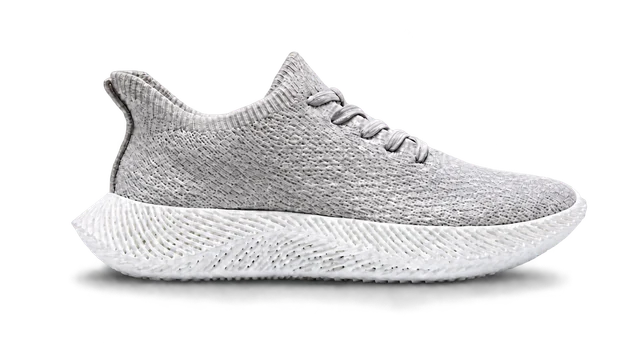


Most people buy shoes on the basis of how they look, how much they cost, or what brand they are. But did you know your shoes can impact your health? The shoes that you see almost everywhere in stores are made of EVA foam, PVC, etc. Both have real safety issues that most brands don’t discuss. 3D printed shoes material takes a different approach altogether. In this article, we’ll break down 3D printed shoes material, the risks, and what to look for when buying your next pair.
Popular 3D Printing Materials for Shoes
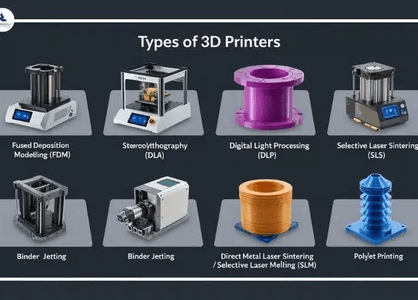
3D printed shoes are made from different materials. Different brands use different 3D printed shoes materials for different purposes. Here are the common 3D printing shoes materials:
TPU (Thermoplastic Polyurethane)
The most common 3D printed shoes material. It is soft without plasticizers, and it is flexible, durable, and lightweight. It offers strong elasticity and rebound, which makes it ideal for midsoles, lattice cushioning systems, and everyday wearable footwear.
Nylon and Polymer Blends
Strong and light, these are commonly used in performance footwear and athletic uses where rigidity and structure are more important than flexibility.
These materials are often used in uppers, support frames, heel counters, or technical components that need to maintain their shape under stress. Compared to TPU, nylon-based materials typically feel firmer and more rigid.
Resin
For great detail printing. UV-curable resins allow precise lattice structures and are commonly used in more advanced footwear applications. Some resins offer impressive detail and stiffness, though not all are designed for long-term daily wear.
PLA (Polylactic Acid)
A biodegradable material, mostly used for prototyping purposes. A little stiff to wear every day, but worth mentioning as a sustainable option in the works.
Carbon Fiber Composites
Found in high-end performance shoes where stiffness and strength are the priority. Very expensive but very solid.
Recycled or Bio-Based Materials
A growing category as brands look to reduce waste. Some manufacturers are experimenting with recycled TPU, bio-based elastomers, algae-based materials, and plant-derived polymers.
How 3D Printing Shoe Materials Are Different From Traditional Shoe Materials
If you want to know why 3D printed shoes materials are better, you need to understand what traditional shoes are made of and what those materials actually do to your health.
EVA Foam
EVA foam is in almost every conventional running shoe, casual sneaker, and slipper on the market. It is cheap, lightweight, and easy to form. But here’s what most brands won’t tell you on the label:
-
Formamide: A by-product of the blowing agents used to expand EVA foam during production. The EU classifies it as a reproductive toxic substance, Category 1B. It’s volatile, meaning it constantly evaporates into the air and is absorbed through your skin and lungs. Some products were found to be over 100 times the EU safety limits.
-
Vinyl Acetate Monomer (VAM): Residue from incomplete production. It is classified by the International Agency for Research on Cancer in Group 2B – possibly carcinogenic to humans.
-
Heavy Metals: Low-cost brightly colored EVA products contain pigments that contain lead, cadmium, and mercury, especially harmful to children's brain development.
-
VOCs: Ever smell that strong plastic smell when you open a new pair of shoes? That’s volatile organic compounds outgassing from the shoe. Short-term exposure causes dizziness, headaches, and irritation of the respiratory tract.
-
Phthalates: Known endocrine disruptors that can disrupt hormonal systems. They’re in composite materials and coatings used with EVA foam.
PVC
PVC is, in itself, brittle and hard. To make the plastic pliable, the manufacturers add plasticizers, which usually comprise 30 to 50 percent of the final material.
Here now comes the serious part:
-
Cheap PVC shoes 300-500 times over phthalate safety limits
-
Many use recycled plastics of unknown provenance - old cables, industrial wastes - containing lead, cadmium, and chromium
-
Some cheap shoes smell like burnt plastic. This is a direct sign that carcinogenic substances like polycyclic aromatic hydrocarbons are off-gassing
Are 3D Printed Shoes Completely Safe?
3D printed shoes materials are much safer than EVA and PVC alternatives, and there is one thing worth knowing. If a printed shoe is not sufficiently post-cured after printing, trace amounts of unreacted monomers can remain embedded within the material. These small molecules can migrate out with sweat and may irritate the skin. It's not a material problem; it's a manufacturing quality problem. Reputable manufacturers like Nexbie, with proper post-cure processes, eliminate this risk. Before purchasing, it is worth checking if a brand has independent lab testing and certifications.
Nexbie: Designing 3D Printed Shoes with Material Safety in Mind
At Nexbie, we design our 3D printed shoes around two priorities: long-term durability and material safety. While many traditional foam-based shoes raise concerns around VOCs, phthalates, heavy metals, and chemical odor, Nexbie materials are independently tested against international safety standards.

Our lab-tested product certification results include:
Certifications & Lab Results:
-
CP65 Compliant: California Proposition 65 compliant, no harmful chemical levels
-
REACH Compliant: EU's most stringent chemical safety regulation compliant
-
No VOC Emissions: no chemical smell, no off-gassing, proven by 3rd party lab testing
-
No Heavy Metals: no lead, cadmium, mercury, or toxic solvents
-
No Phthalates: independently tested and certified for long-term contact with skin
-
SVHC Screened: tested against the EU’s list of Substances of Very High Concern, none detected
Durability Supporting the Safety Claims
Safe materials are another thing. Plus, a shoe has to last. Here is where the 3D printed construction of Nexbie distinguishes itself from traditional footwear:
-
Tested for 200,000+ flex cycles with no structural damage, standard EVA foam fails at 20,000 to 50,000
-
2+ years heavy use vs 3 to 6 months for traditional foam-based shoes
-
Zero Performance Decay: the cushion you get on day 1 is the same as day 500
-
Passed international standard tests for UV resistance, aging, and heel compression.
Conclusion
What your shoes are made of is more important than most people realize. EVA foam and PVC are laden with chemical concerns that are rarely listed on the product label. 3D printed shoes of TPU and UV-cured polyurethane avoid all those problems entirely, no plasticizers, no VOCs, no heavy metals. If you're thinking about making the switch, the Nexbie Leisure Path is a convenient place to start. Certified safe, built to last, and really comfortable from day one.
Frequently Asked Questions
Q: Are 3D printed shoes safe to wear?
A: Yes. 3D printed TPU or UV-cured polyurethane shoes are free from the plasticizers or chemical additives contained in EVA and PVC shoes. Choose brands that send their products to an independent lab to test for safety.
Q: Are 3D printed shoes packed with phthalates?
A: But reputable 3D printed shoes don’t. Unlike EVA and PVC, materials used in 3D printing do not require phthalate plasticizers to provide flexibility. Nexbie shoes are independently tested and certified phthalate-free.
Q: What is TPU? Is it safe?
A: TPU means thermoplastic polyurethane. It is a flexible and durable material that is widely used in medical devices and consumer products. It does not require plasticizers and is considered safe for prolonged skin contact.
Q: Why do conventional shoes smell like chemicals?
A: The smell comes from volatile organic compounds (VOCs) released from residual solvents used in manufacturing. This is a direct sign of chemical off-gassing. When cured properly, polyurethane 3D printed shoes do not emit any VOCs and have no chemical odor.