Running shoes are designed for toughness, but they have a functional lifespan. Generally, around 300–500 miles of use. After this, the midsole foam breaks down, and the shoes lose their cushioning. When you wear worn-out shoes, you are unknowingly putting yourself at risk of injury, as they no longer protect your feet and joints.
Hence, it is very important to replace your running shoes. But how long do running shoes last? In this article, you will learn about the lifespan of running shoes and factors that affect their performance.
Average Lifespan of Running Shoes
As a general rule of thumb, the average miles for running shoes is 300–500 miles. After this, their performance starts to decline. This is the agreed-upon range by experts after a decade of research. But what does this mean in practice? To understand how long do running shoes last, it's important to look at mileage because it is the most reliable indicator of a shoe’s lifespan. It directly reflects the amount of stress the midsole has absorbed.
-
Casual runner (8-10 miles/week): Expect your shoes to last 8-12 months or so
-
Moderate runner (15-20 miles/week): You may need to replace shoes every 4-6 months
-
High mileage runner (30-40 miles/week): Shoes may need to be replaced as quickly as 2-3 months
-
Everyday jogger (3-5 miles/week): Shoes can last up to 18 months or more
Bottom line is that you cannot measure the lifespan of shoes using time. A shoe you’ve had in your closet for a year is not the same as one that’s logged 400 miles. The mileage is what counts.
Factors that Affect the Lifespan
How long do running shoes last is not fixed because several physical factors affect foam breakdown. Here are some factors that affect the lifespan of running shoes:
Running Surface
How long do running shoes last is directly influenced by the surface you run on. Concrete and asphalt wear down midsole foam faster than any other surface. If you are running on hard pavement every day, you will be at the lower end of the 300-500-mile range. Treadmills and tracks are way more shoe-friendly.

Weight
More body weight = more force to the midsole with each stride. Heavier runners will compress foam faster and will generally need to replace shoes sooner than lighter runners doing the same mileage.
Way of Running
If you are a heel striker, the back of the midsole of your shoes will wear out quickly. Forefoot runners land on the front. Either way, uneven compression cuts the life short. Poor form that puts too much stress on one part of the shoe breaks them down faster.
Quality of Shoes
Budget shoes use a lower-density foam that compresses more quickly. Premium shoes are made of better materials that will last longer under the same conditions. Often, the price difference reflects the number of miles you get out of them.
Signs Your Running Shoes Are Worn Out
Here are some of the obvious signs that your shoes have given out:
-
The Midsole Feels Flat: Push your thumb into the midsole. If it is hard and doesn't give way, the foam is gone. This is the most definite sign your shoes have had it.
-
Uneven Wear of Outsole: Turn your shoes upside down. If the outsole is too worn or worn unevenly, it signals the shoe is not absorbing impact evenly, and the stress is directly transmitted to your joints.
-
New Aches and Pains: If your shoes look good on the outside but you experience pain in your knees, shin splints, or sore hips after a run, these may be signs that your footwear is no longer providing the support and cushioning you need. For persistent discomfort, you may also want to explore the best shoes for foot pain based on the source and type of the pain.
-
The Shoe Folds Too Easily: Hold the shoe at both ends and bend it. A shoe with structural integrity is resistant; if it folds easily, it indicates that the midsole is broken.
For runners who frequently experience foot discomfort, replacing worn footwear is only one part of the solution. Finding the best arch support shoes for your foot type may also be worth considering when support becomes a concern.
Tips to Extend the Lifespan of Running Shoes
Although running shoes do not last very long, with proper care, you can surely extend their life to some extent. Here are some tips:
-
Rotate Between 2 Pairs
You'll want to rotate between two pairs to allow each shoe to decompress between runs. This alone can add a lot of miles to both sets.
-
Use Them for Running Only
Every step you take away from running adds untracked mileage. Have a spare pair for daily wear.
-
Keep Track of Your Mileage
Log miles against your shoes with Strava, Garmin, or Nike Run Club. Don’t trust the look of the shoe or rely on your memory.
-
Correct Storage
Do not expose to heat, sunlight, or moisture. All three break down foam even when not wearing the shoe.
-
Clean Them Properly
Air dry only. Never put running shoes in a dryer or near a radiator. Heat destroys the midsole foam faster than running does.
Nexbie: Built to Outlast Traditional Foam-Based Footwear
The first thing to break down in running shoes is EVA foam. It’s what’s inside virtually every running shoe on the market, and it has a hard limit. Foam-based shoes will break down, no matter how much you try to take care of them. That’s not a maintenance issue. It's a materials problem.
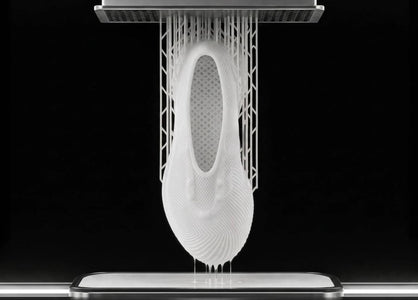
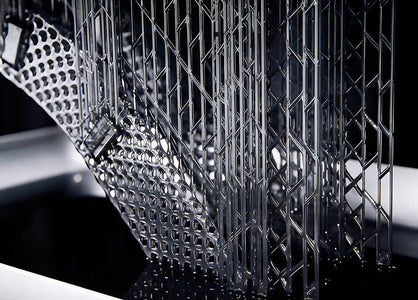
Nexbie takes a different approach. Instead of compressing over time, Nexbie uses a 3D printed lattice structure that flexes and returns to its original shape in place of foam.
Aeroraise 3D Printed Sneakers

Aeroraise 3D printed sneakers are engineered to go from morning commutes to sunset hikes without breaking down. Here is what makes them different:
-
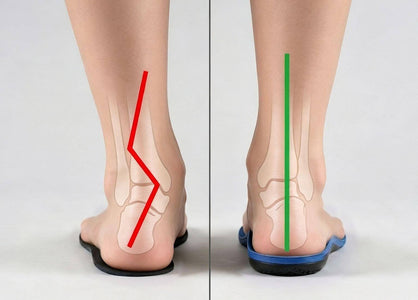
3D Dynamic Arch Support: Dynamic support that never breaks down, so the structural support you have on day one doesn’t slowly break down like EVA foam
-
Impact-Shield Midsole: Maximized joint protection that holds up over time, directly addressing the injury risk that comes with worn-out foam shoes
-
High-Tension Lockdown: Engineered for lateral movement, the shoe keeps its shape and support no matter how many miles you log.
-
100% Certified Chemical-Free: CP65 and REACH compliant, free from harmful phthalates, restricted chemicals, heavy metals, and toxic solvents.
-
Zero Chemical Odor: No harsh “fresh-out-of-the-box” EVA smell and zero VOC off-gassing, safe for extended daily wear.
The one-piece design also makes routine maintenance easier. For shoppers interested in Machine washable shoes, Aeroraise is listed as machine washable, giving it an advantage for people who wear their shoes frequently and want a simpler cleaning routine.
Standard EVA foam has been tested and proven to last 20,000 to 50,000 flex cycles before structural failure. Nexbie 3D printed structure tested for 200,000+ cycles. In reality, traditional running shoes last from 3 to 6 months of heavy use. Nexbies last 2+ years.
Standard EVA foam has been tested and proven to last 20,000 to 50,000 flex cycles before structural failure. Nexbie 3D printed structure tested for 200,000+ cycles. In reality, traditional running shoes last from 3 to 6 months of heavy use. Nexbies last 2+ years.
Conclusion
To summarize, how long do running shoes last? Most shoes fail after 300 to 500 miles. When the EVA foam in the midsole breaks down and no longer cushions your joints. The good news is that Nexbie 3D printed shoes solve this problem at the root. Our 3D printed lattice structure is made to maintain its shape, support, and rebound for 2+ years of long-term wear.
Frequently Asked Questions
Q: How long do running shoes last for walking?
Q: How long do running shoes last for heavy runners?
A: Heavy runners typically need to replace their shoes after 250 to 350 miles, since higher impact forces compress cushioning faster. Signs include flattened midsoles, worn tread, and new knee, shin, or ankle discomfort.
Q: How often should runners replace shoes?
A: Runners should change their shoes every 300-500 miles. The best way to know when is by tracking mileage using an app.
Q: Are 2-year-old running shoes still good?
A: Depends on the mileage, not age. A 2-year-old shoe that’s only been used lightly might still be okay, but if it’s got over 400 miles on it, it’s time to replace it, no matter how old it is.