

Do you feel overwhelmed by the range of athletic footwear available in stores and online? At a glance, training shoes and running shoes look similar. But using both terms interchangeably is a common mistake. Running shoes and training shoes are engineered for different types of physical movements. Wearing the wrong shoe can impact your form, reduce performance, and even increase the risk of injury. Understanding the difference between training shoes vs running shoes will help you pick the right footwear for your specific goals.
What Are Running Shoes?
Running shoes are mainly built for forward motion. When you run, your foot strikes the ground repeatedly in a straight line, absorbing an impact force equal to two to three times your body weight with every single step.
To handle this continuous, repetitive impact, running shoes have thick shock absorption and lightweight construction. They’re cushioned throughout the heel and forefoot and are designed to flex naturally around the ball of the foot with each step.
Best Use Cases for Running Shoes: Outdoor road running, treadmill sessions, track workouts, and long-distance fitness walking.
What Are Training Shoes?
Training shoes are made for multidirectional training. Contrary to running which is a forward motion, workouts at the gym involve jumping and landing, quick changes of direction, picking up weights, and stopping abruptly.

To support different kinds of physical activities, training shoes emphasize stability and grounding over pillow-like cushioning:
-
Flat, Firm Soles: Having a low heel-to-toe drop and stiff midsole ensures that your feet remain grounded to give a stable base for lifting.
-
Lateral Support: Side walls and a wide sole protect your foot from slipping off the footbed during side-to-side lateral cuts.
-
Durable Rubber Outsole: Treads are meant for multidirectional traction on the gym floor, turf, wooden floors, and rubber mats.
-
Flexible Forefoot: The flexible forefoot allows different types of exercises such as plank and burpees while having a stable heel.
When to Use Training Shoes
-
Weight Lifting & Strength Training: Helps give you a stable platform for transferring power from your legs into the ground without wobbling ankles.
-
High-Intensity Interval Training & Boot Camp Classes: Helps you make quick transitions from jumping jacks, lunges, shuttles, and kettlebell swings.
-
Agility & Plyometrics: Offers wide bases to prevent ankle injuries when making quick directional changes.
-
Group Fitness & Studio Classes: Keeps you balanced during dance, aerobics, and bodyweight conditioning routines.
Training Shoes vs Running Shoes: Key Differences
|
Feature |
Running Shoes |
Training Shoes |
|
Primary Movement |
Linear, forward propulsion |
Multidirectional (side-to-side, up-and-down) |
|
Sole & Base |
Curved, flexible, narrower base |
Flat, wide, rigid base for ground stability |
|
Cushioning |
Thick, soft foam for forward impact |
Firm, low-profile cushioning for power transfer |
|
Heel Drop |
Higher drop (8mm to 12mm average) |
Lower drop (0mm to 4mm average) |
|
Lateral Support |
Minimal (lightweight mesh uppers) |
High (reinforced sidewalls and rubber wraps) |
|
Best Surface |
Asphalt, dirt trails, treadmills |
Gym floors, turf, rubber mats, concrete |
Risks of Wearing the Wrong Shoe
Using one pair of shoes for both heavy gym sessions and long runs can lead to performance frustration and physical discomfort.
Risks of Running in Training Shoes
Training shoes have flat, firm midsoles designed for floor contact rather than shock absorption. Running long distances in cross-trainers forces your joints to absorb the heavy road impact that the shoe should be handling. This lack of thick cushioning can lead to shin splints, arch strain, plantar fasciitis, and knee pain.
Risks of Gym Training in Running Shoes
Running shoes feature soft, compressed foam and high stack heights. When you perform heavy squats, lunges, or deadlifts in running shoes, the soft foam compresses unevenly under heavy loads, acting like a soft sponge under your feet. This creates severe ankle instability, compromises your lifting form, and wastes energy that should go into the lift. Furthermore, lightweight mesh running uppers lack the sidewall strength needed to support sharp lateral jumps.
How to Choose the Right Pair for Your Workout Routine
When selecting athletic shoes, evaluate what you spend 80% of your workout time doing:
-
Choose Running Shoes if: Your primary focus is treadmill or road running, long-distance walking, or straight cardio endurance.
-
Choose Training Shoes if: Your routine includes lifting weights, dumbbell routines, high-intensity training, agility exercises, or aerobics classes.
-
If You Do Both: Have two pairs of shoes in your gym bag, or find a pair that combines features of both.
Nexbie Aeroraise: A 3D-Printed Hybrid Option
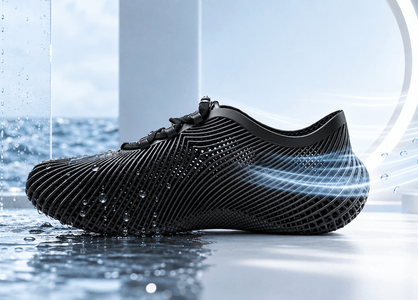
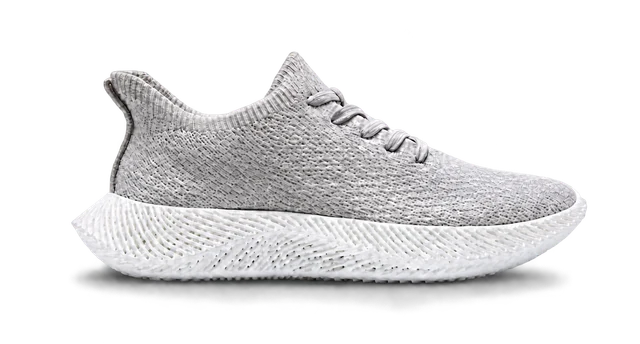
For those who combine daily walking, light running, and active gym sessions, traditional shoes can feel like a compromise. The Nexbie Aeroraise 3D printed sneaker offers a modern alternative by leveraging advanced 3D-printing technology to combine adaptive cushioning with solid foot stability.

Here is how its main features support both walking and gym workouts:
-
3D Dynamic Arch Support: A flexible 3D-printed support frame under your arch bends as you step instead of staying stiff. It gives your feet continuous support so your arches do not tire during long walks or gym workouts, while still bending naturally when you jog.
-
50% Enhanced Impact Absorption: The springy grid underneath absorbs 50% more impact force than standard soles. It takes the hard sting out of steps on concrete without using soft, squishy foam that causes your ankles to wobble during side-to-side exercises.
-
360-Degree Open Airflow: The hollow grid footbed squeezes and releases with every step, pushing fresh air through the entire shoe. This continuous breeze stops heat from getting trapped, keeping your feet cool during warm runs or intense workouts.
-
Secure Lockdown & Slip-Resistant Outsole: Built as a single piece without seams or glues, the shoe fits snugly like a sock to keep your foot from sliding inside. Paired with a grippy bottom tread, it keeps your footing secure on gym floors, wet pavement, and light dirt trails.
Frequently Asked Questions
Q: Can I use training shoes for everyday use?
A: Yes, training shoes work well for everyday casual wear. Their flat soles, durable outsoles, and lateral support make them comfortable for walking, running errands, standing, or casual daily activities.
Q: Is it okay to wear training shoes for walking?
A: Yes, training shoes are fine for light daily walking and gym walking. However, for long-distance walking or fitness walking on hard pavement, running shoes or dedicated walking shoes offer better heel-to-toe flexibility and shock absorption.
Q: What are some good casual gym shoes?
A: Popular options for versatile gym work and casual wear include flat-soled cross-trainers like the Nike Metcon series, Reebok Nano series, or NOBULL Trainers, or flexible 3D-printed trainers like the Nexbie series that support multidirectional movement.
Q: Is it okay to run in trainers?
A: You can run short distances in training shoes, such as a 1-mile warm-up on a treadmill or shuttle sprints during your workout session. It is not recommended to run long distances in training shoes because they have a flat sole that cannot cushion your feet as you run
Conclusion
Choosing between training shoes vs running shoes comes down to how your feet move during your workouts. Running shoes are designed to absorb repetitive forward impact, making them the ultimate choice for road miles, treadmills, and long walks. Training shoes offer flat, firm stability and lateral support, making them essential for lifting weights, HIIT classes, and multidirectional agility work.
By matching your footwear to your specific movement or choosing an adaptive hybrid like the Nexbie Aeroraise for daily active wear you protect your joints, improve your exercise form, and get the most out of every workout.