

When it comes to finding comfortable footwear for long shifts, daily errands, or fitness routines, people often become confused between running and walking shoes. Running shoes have thick cushioning, lightweight uppers, and a high-performance design. But are running shoes good for walking, or do you need a dedicated walking shoe?
The short answer is yes, running shoes are generally great for walking. However, there are some differences between walking and running, so shoes perform differently. Understanding these differences can help you choose the right pair.
Difference Between Walking and Running Shoes
At first glance, walking and running shoes look nearly identical. Both have the same goal of providing support, protecting joints from injuries, and reducing fatigue. As both of these activities involve linear forward motion and heel-to-toe or midfoot transitions, the idea behind running and walking may appear to be quite similar. However, during running, a lot more force is used than during a walk, requiring different midsole designs, heel counters, and flexibility profiles.
While walking, one foot remains in contact with the ground, creating a smooth rolling motion. In running, there is an aerial phase where both feet leave the ground, causing the body to land with much greater force.
|
Feature |
Running Shoes |
Walking Shoes |
|
Heel Height / Drop |
Often higher |
Lower, flatter profile |
|
Cushioning |
Built for higher-impact landings |
Moderate, steady-pace cushioning |
|
Weight |
Lighter |
Slightly heavier, more structured |
|
Sole Flexibility |
Flexes at the forefoot, sometimes rockered |
Flexes through a longer, rolling motion |
|
Stability |
Built for forward motion at speed |
Built for consistent, even footing |

Are Running Shoes Good for Walking?
Yes, you can use running shoes for walking. For many people, they are a good choice. Since running shoes are made to withstand high impacts, they have high shock absorption and arch support, which is significantly better than basic sneakers.
Yes, running shoes can be used for walking, and for many people, they are an excellent option. Because running shoes are engineered to handle high impact, they offer levels of shock absorption, arch support, and breathable comfort that far exceed basic casual sneakers.
However, not all running shoes are ideal for walking. Some advanced running shoes have ultra-stiff carbon plating and are designed specifically for forward propulsion at high speeds and can feel unstable or rigid at a normal walking pace. For everyday walking, a standard daily training running shoe offers the right balance between comfort and support.
Benefits of Using Running Shoes for Walking
-
Superior Impact Protection: High-grade foam midsoles absorb force efficiently, protecting your knees, hips, and lower back when walking on hard concrete or asphalt.
-
Enhanced Arch & Heel Support: Deep heel cups and contoured footbeds help keep the foot stabilized throughout long walking strides.
-
Lightweight Breathability: Engineered mesh uppers promote airflow, keeping your feet cool and reducing sweat buildup during extended wear.
-
Durability for High Mileage: Running shoes are built to withstand hundreds of miles, making them durable enough for daily walking routines.
Which Running Shoes Work for Walking?
Different walking environments and routines call for specific shoe features. Here is how various types of running shoes perform when adapted for walking.
Are Rocker Running Shoes Good for Walking?
Rocker running shoes have curved soles that gently roll the foot forward from heel-strike to toe-off. These shoes are good for walking, as they take pressure off the forefoot, toes, and plantar fascia. By reducing ankle flexion per step, these shoes provide a low-impact and easy walking experience perfect for people recovering from foot overuse or joint stiffness.
Are Trail Running Shoes Good for Walking?
Trail running shoes are designed with aggressive outsole lugs, toe caps, and stiff midsoles. They are an excellent choice when the terrain is uneven, such as on gravel paths and dirt trails. However, they are not the best for long runs on hard ground. They have rubber lugs, that can feel overly firm and wear out easily on asphalt.
Are Running Shoes Good for Walking and Standing All Day?
Standing and walking require different supports. Standing requires static support, while walking is a dynamic movement. Walking shoes can be used for all-day standing as long as they have medium cushioning. When walking, heavily cushioned shoes may not provide enough support and can cause arch pain and fatigue.
Nexbie Aeroraise: A 3D-Printed Shoe Engineered for Both Walking and Running
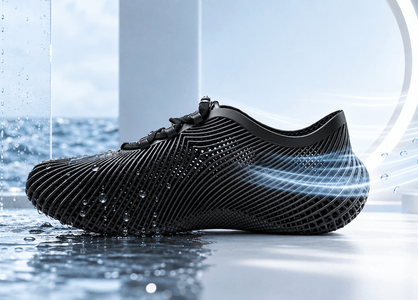
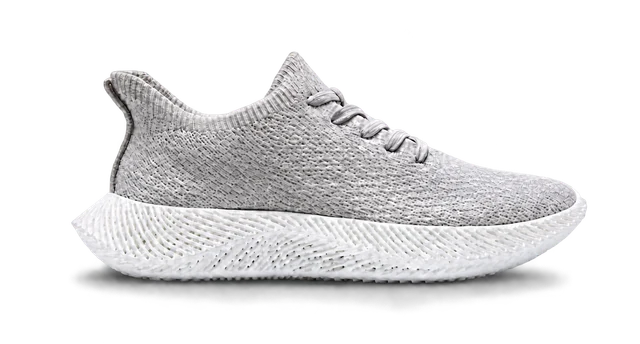
Nexbie Aeroraise 3D printed sneaker is built as a single, seamless silhouette designed to transition smoothly from morning commutes and all-day standing to light runs and trail hikes. Whether absorbing the repetitive strike of a morning run or supporting the slow, rolling heel-to-toe movement of daily walking, the Aeroraise adapts dynamically across movement types.
Aeroraise 3D Printed Sneakers
$159.00$229.00
- Dynamic arch support for walking and light runs
- Springy lattice cushioning for hard pavement
- Secure fit that helps reduce in-shoe slipping
- Grippy outsole for streets and light trails
- Lightweight comfort for active everyday wear

3D Dynamic Arch Support
This shoe uses an active 3D-printed support frame that flexes as you step and provides arch support. It gives your feet continuous support so your arches don't get tired during long hours of walking or standing, while still bending naturally with your stride when you run.

50% Enhanced Impact Absorption
The elastic lattice structure underneath the shoe absorbs 50% more impact force upon foot-strike. Every time your foot hits hard pavement, it cushions the blow and protects your knees, ankles, and lower joints whether you are walking or running.
Slip-Resistant Outsole
Designed with a versatile tread pattern, the outsole provides reliable traction across wet pavement, riverbanks, and light unpaved trails. This keeps your steps secure whether you are walking on city sidewalks or jogging outdoors.
High-Tension Lockdown
The seamless, glue-free construction provides a precision fit that holds your foot securely over the footbed. This high-tension lockdown keeps your foot from slipping inside the shoe, giving you the stability needed for both road walking and light trail hikes.
Frequently Asked Questions
Q: Will I ruin my running shoes if I walk in them?
A: No, walking will not ruin running shoes, but it will wear them down differently. Walkers land more heavily on the outer edge of the heel, which causes tread wear in the rear of the shoe rather than under the midfoot or forefoot.
Q: What type of shoe is best for walking?
A: The best walking shoe features a flexible forefoot, moderate heel cushioning, a firm heel counter, and good arch support to allow a natural, comfortable heel-to-toe rolling movement.
Q: When should you stop wearing running shoes?
A: You should replace running shoes after 300 to 500 miles of use, or sooner if you notice visible tread wear, compressed midsoles, or new foot, knee, or joint discomfort after walking.
Q: Can you walk long distances in running shoes?
A: Yes. Daily training running shoes are built to handle high mileage and absorb repetitive impact, making them one of the best choices for long-distance fitness walking.
Conclusion
Running shoes are a versatile and highly supportive option for everyday walking, fitness routines, and all-day standing. Due their advanced cushioning, breathable uppers, and ergonomic support, they often outperform basic lifestyle shoes on pavement. By choosing the right style—whether a rocker sole for smooth strides, a trail runner for off-road paths, or an innovative 3D-printed option like the Nexbie Aeroraise you can enjoy maximum comfort on every step.