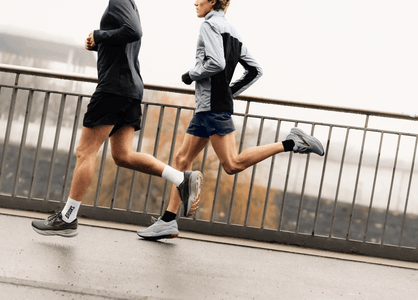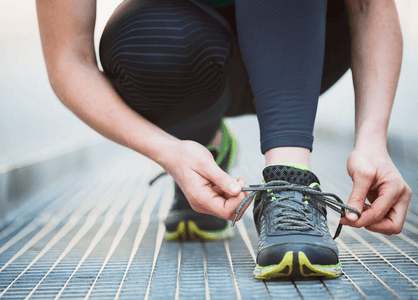


From public transport to busy city streets and our homes, we wear our shoes everywhere. Along the way, our shoes accumulate dirt, sweat, and various types of bacteria from the environment. Although most people clean the outside of their shoes when they get visibly dirty, the interior usually gets neglected.
The heat and humidity inside the shoes make it an excellent breeding ground for bacteria, fungi, and mold. Learning how to disinfect shoes properly isn’t just about keeping them looking good, but it's also an essential part of personal hygiene and footwear maintenance.
Essential Supplies You’ll Need
As you prepare to disinfect your shoes, gather these items:
-
Isopropyl Alcohol (70%): The go-to choice for sanitizing the interiors. This 70% solution is also effective in penetrating microbial cell walls on contact.
-
Disinfectant Fabric Sprays: Disinfectants like Lysol or Clorox fabric sprays, which contain quaternary ammonium, kill 99.9% of viruses and bacteria on soft textile surfaces.
-
Hydrogen Peroxide (3%): It is an antibacterial agent that oxidizes bacteria and fungi. Suitable for light-colored linings and insoles.
-
Distilled White Vinegar: It is a natural cleaning agent with acetic acid content to lower the pH balance and prevent fungi from growing.
-
Antifungal Sprays or Powders: Treatment products with active ingredients such as Tolnaftate, Miconazole, or Clotrimazole to target athlete's foot spores.
-
Cleaning Equipment: Includes microfiber cloths, soft bristle brushes or toothbrushes, spray bottles, and baking soda.

How to Disinfect Smelly Shoes
To eliminate odor, you must kill the bacteria along with removing the moisture they thrive on.
-
Remove the insoles and unlace the shoes completely.
-
Use a clean cloth dampened with 70% isopropyl alcohol to wipe down the inner sides of the shoes.
-
Scrub removable insoles with mild soap and warm water, then spray both sides with alcohol.
-
Once dry, sprinkle baking soda inside overnight to absorb residual acidity and moisture, then shake it out in the morning.
A milder option that may be helpful is vinegar since it reduces the rate of fungal growth as well as eliminates odor. However, it's not as reliable as alcohol.
How to Disinfect Shoes From Fungus and Athlete's Foot
Eliminating fungal spores (Trichophyton) requires direct antimicrobial treatment alongside skin care:
-
Spray a specific type of OTC antifungal spray or powder into the toe box every night.
-
Soak the insoles in a 1:2 mixture of water and vinegar for 20 minutes. This disrupts the fungal cell walls.
-
To avoid recontaminating the shoe, apply a topical antifungal medication on your feet. Also, wash your socks with hot water.
-
Let your shoes dry completely and give them rest for 24 to 48 hours between wears.
How to Disinfect Used and Second-Hand Shoes
Used shoes are an excellent, eco-friendly option, and with thorough cleaning, they are completely safe to wear. The problem is that you never know what the previous owner’s feet may have carried.
-
Take out the insoles since they contain most of the bacteria.
-
Wipe the interior with 70% isopropyl alcohol or with a 50:50 mixture of alcohol and water.
-
Wipe the exterior part with mild soap depending on the material type.
-
Before wearing, let the shoes dry for at least 24 hours.
How Nexbie Aeroraise Prevents Microbe Buildup
A study by the University of Arizona has revealed that a single pair of shoes contains 421,000 units of bacteria along with fungal spores that settle in the synthetic lining of shoes. Traditional running shoes are made with heavy foam midsoles, lining, and harmful chemicals that work like sponges to hold water and trap the bacteria.
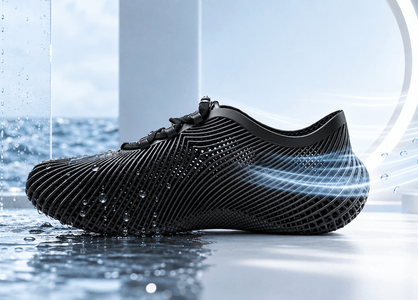
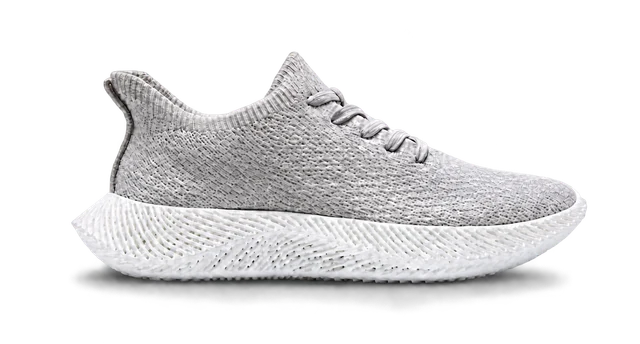
The Nexbie Aeroraise 3D printed sneaker feature a one-piece, glue-free design and an open-cell lattice structure. These design features make rinsing away dirt easier and help moisture drain from the shoe, simplifying routine shoe care.
Aeroraise 3D Printed Sneakers
$159.00$229.00
- Open lattice helps water and sweat drain away
- Airy design supports faster drying
- Water-resistant material is easy to rinse clean
- One-piece build leaves fewer places for dirt to hide
- Made for low-maintenance everyday wear

Open Lattice Design for Better Drainage and Airflow
Moisture trapped inside shoes creates a damp environment associated with unpleasant odors and microbial growth. Aeroraise addresses moisture management through its 360° open-cell lattice structure.
-
Easy Water Drainage: The open lattice allows rinse water to flow through the sole rather than collect in enclosed areas, making the shoes easier to rinse after everyday wear.
-
Airflow for Faster Drying: The open structure promotes airflow around the foot, helping moisture dissipate after cleaning and reducing lingering dampness.
-
Water-Resistant Material: Aeroraise uses a polyurethane elastomer that resists water and sweat absorption, helping simplify cleaning and maintenance.
These features support a cleaner, drier shoe interior between washes. Keep in mind that airflow and water resistance do not kill bacteria or replace proper disinfection when needed.

One-Piece Construction with Fewer Hard-to-Clean Areas
Traditional shoe designs often combine multiple layers of fabric, foam, and adhesive. Seams and joints between these materials create additional areas where dirt and residue accumulate, making thorough cleaning more difficult.
Aeroraise uses HALS DLP 3D printing technology to form its sole as a single piece without chemical adhesives.
-
Seamless, Glue-Free Design: The one-piece construction eliminates internal glue joints in the printed structure and reduces the number of seams where dirt and residue might collect.
-
Simple Rinsing: The open structure makes it easier to flush away surface dirt with water, reducing the effort required for routine cleaning.
-
Durable for Regular Wear: Laboratory testing shows Aeroraise retains 92% of its performance after 100,000 flex cycles, supporting long-term use without frequent replacement due to flex-related performance loss.
For regular shoe care, remove visible dirt before applying a suitable disinfectant. Always check the manufacturer's care instructions before using chemical disinfectants, as some products might affect shoe materials.
Frequently Asked Questions
Q: Does rubbing alcohol disinfect shoes?
A: Yes, 70% isopropyl alcohol can kill most bacteria and fungi. Alcohol dries quickly and won’t reach deep into foam, so it cannot kill bacterial spores. It is effective as a surface disinfectant but not a complete fix.
Q: Why do my shoes smell so bad even after washing?
A: Bacteria and moisture stay trapped in the insoles and foam. Most home wash cycles aren't hot enough to kill them reliably, and shoes that don't dry fully let the smell come back.
Q: What kills bad odor in shoes?
A: Killing the bacteria and drying the shoe. Wipe the inside with alcohol, use baking soda overnight, and let shoes dry for 24 hours between wears.
Q: Can athlete's foot fungus live in your shoes?
A: Yes. The fungus can survive in shoes for months, which is why shoes often cause re-infection. Disinfect them while treating your feet.
Q: How long can bacteria live in shoes?
A: There is no fixed number. Bacteria multiply in warm, damp conditions and slow down when shoes dry out completely, so keeping them dry matters more than counting days.
Q: Does vinegar kill bacteria in shoes?
A: Vinegar slows fungal growth and helps with odor, but it is milder than alcohol or an antifungal spray. It works best for light freshening, not for an active infection.
Conclusion
Knowing how to disinfect shoes properly ensures better foot health, controls persistent odor, and extends the overall lifespan of your footwear. Applying routine alcohol mists, using targeted antifungal sprays, and allowing proper dry time will keep harmful microbes at bay. Innovative footwear like the Nexbie Aeroraise takes hygiene a step further, leveraging open-lattice airflow and washable, single-material construction to prevent moisture buildup from day one.