Wet shoes can be a problem, especially when you need to use them later the same day. Shoes can get wet from a rainy day, from stepping into a puddle, or from washing. While the most immediate solution may be to dry the shoes using a heater or hair dryer, too much heat can cause irreparable damage to glue, leather, or rubber. Instead, a better option is to dry the shoes by getting rid of as much water as possible first. If you’re figuring out how to dry shoes without damaging them, these four methods are simple, practical, and easy to try at home.
1. Air Dry With The Newspaper
For most everyday sneakers, simple air drying is one of the safest options. Though this process is a bit longer than using heat, it is less tough on materials.
-
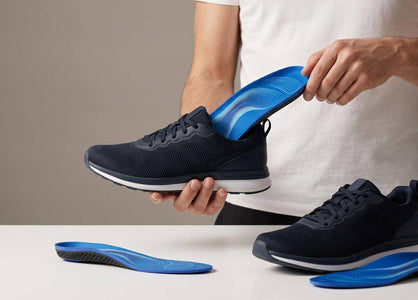
Start by removing the insoles and laces from the shoes to expose more surface area of the shoes.
-
If possible, squeeze or blot any excess water with a towel. Do not twist the shoes.
-
Crumple newspaper and place it inside your shoes. It will pull the moisture from the shoes.
-
Change the newspaper as soon as it is damp. You might need to do this a few times.
-
Keep the shoes in a dry place with good ventilation. A place near an open window or in front of a fan is much better than a closed cupboard.
-
Try to avoid placing the shoes under direct sunlight or on hot surfaces if they are made of sensitive materials.

2. Use a Fan or Shoe Dryer
If you need to know how to dry shoes fast without exposing them to intense heat, increase the airflow around them. You can use a regular home fan for this.
-
Take out the insoles and loosen the shoe laces.
-
Place the shoes a few inches in front of the fan, with the air blowing inside the shoe.
-
After every few hours, turn the shoes or change their position.
-
If you are using a shoe dryer, follow the manufacturer’s temperature and placement instructions.
A fan works better for sneakers that are damp rather than wet. You can also use it after you finish removing the water using a towel.
3. Dry Shoes in a Dryer
Using a dryer can save some time, but it is also one of the easiest ways to damage a pair of shoes. Heat from a dryer can soften the glue that holds a shoe together and can alter the shape of a shoe. Before you put shoes into a dryer, always read the care label or the manufacturer’s instructions.
Once you have confirmed that a machine dryer is safe for your shoes, here is what you should do:
-
Start by removing the insoles from each shoe and taking out the shoelaces.
-
Use the heat setting on the dryer or the air‑dry function if your dryer has one.
-
Place the shoes inside a mesh laundry bag.
-
Always watch the dryer closely. Do not leave it unattended.
-
Stop the dryer if the shoes become extremely hot or if their shape changes.
If you are looking for how to dry shoes in a dryer, remember that not every shoe belongs in a dryer. Leather shoes, suede shoes, glued shoes, and heat‑sensitive shoes need care. If you are unsure, air‑dry those shoes.

4. Try Rice or Silica Packets for Residual Moisture
You can use rice or silica gel packets to absorb remaining moisture from shoes, but they should be used as a supporting step.
For slightly damp shoes:
-
Take out the insoles and leave them to dry separately.
-
Use a paper towel to soak up any remaining moisture.
-
If you have silica gel packets or another moisture-absorbing item, place them inside each shoe.
-
Leave the shoes in a cool, airy place.
-
Change out the packets when they become moist.
-
Do not use dry rice if you think it will spill through small openings, meshes, or the sole part of the shoes.
Silica gel packets are helpful because they are made to remove moisture and therefore do not cause a mess. Either way, good airflow should still do most of the drying.
Fast-Drying Shoes: Nexbie Aeroriase
If your shoes regularly get wet because you work outdoors, walk through rain, or spend time around water, drying them quickly is only part of the solution. The shoe’s construction also matters.
Nexbie Aeroraise 3D printed sneaker is built around a one-piece 3D-printed lattice rather than a conventional dense foam setup. The shoe has more than 80% open lattice space, creating connected paths for air and water to move through the structure. It also uses a quick-drain design and ELASTO 1000 material.
What specifically helps Aeroraise dry faster?
-
Open lattice structure: More than 80% of the structure is open, giving water a way to move out instead of sitting inside a dense sole.
-
Airflow through the sole: The openings run through the structure, so air can move through the shoe rather than only around the upper.
-
Quick-drain design: Nexbie specifically designed Aeroraise to let water drain quickly after rain, wet ground, or similar conditions.
-
One-piece construction: The shoe is printed as an integrated structure, meaning fewer glued seams and stacked layers where moisture can become trapped.
-
Non-porous material: Nexbie describes ELASTO 1000 as a non-porous elastomer, so water is not absorbed into it in the same way it can be absorbed by porous foam.

Frequently Asked Questions
Q: Is it better to air dry or machine dry shoes?
A: Generally, air drying is considered the safest way to dry your shoes as they don’t use heat, which might damage glue, rubber, leather, and other materials. Machine drying is only worth considering if the manufacturer states that the shoes are dryer-safe and provides the proper settings.
Q: Can you put shoes in a dryer?
A: Some shoes can go in a dryer, but many should not. Always check the care instructions before drying shoes in a machine. If machine drying is allowed, select the low temperature or air-dry option to avoid prolonged heat.
Q: How long it takes for fully wet shoes to dry?
A: There is no single drying time. Lightly damp shoes might dry in a matter of hours if they are well-ventilated, while completely wet shoes may take overnight or longer. Taking out the insoles, removing extra water, and improving ventilation will decrease the drying time.
Q: How to dry tennis shoes in a dryer?
A: If your tennis shoes are approved for machine drying, remove the insoles and laces, use the lowest heat or air-dry setting, and check them frequently. For shoes that are not dryer-safe, use a fan or air-drying method instead.
Q: How to dry shoes fast?
A: Start by removing as much water as possible with a towel, then remove the insoles and place the shoes in moving air. A fan can speed up evaporation without the risks associated with high heat. Avoid putting wet shoes directly against a heater.
Conclusion
Learning how to dry shoes properly is mostly about removing excess water and improving airflow without overheating the materials. Air drying, fans, careful machine drying, and silica packets can all help depending on how wet the shoes are and what they are made from. If wet conditions are a regular part of your routine, a quick-draining design like Nexbie Aeroraise can also reduce how much moisture gets trapped in the shoe in the first place.