You buy a new pair of shoes. They feel great for a few months. The cushioning flattens after some time and you're back at square one. This happens for a reason. Most shoes are built the same way they have been for decades. Foam gets poured into a mold and cut to size. Your foot shape never really factored into it.
How 3D printed shoes are made is a completely different story. The process starts with your foot in mind and builds outward from there. At the core of it is something called the lattice structure.
What Is a Lattice Structure and Why Does It Matter?
Pull up a photo of a 3D printed shoe sole. You will see a web of tiny connected shapes forming a geometric grid. That grid is the lattice structure, and it is doing all the heavy lifting.
Regular foam works by squishing down under your weight and bouncing back. The problem is that foam has a memory. It stops bouncing back over time. The cushioning you felt on day one is long gone by month six.
A lattice structure does not rely on material density. It relies on geometry. The angles and thickness of the struts decide how stiff or flexible any given zone is. The heel can be firm for impact. The arch can be softer for natural flex. All of this is printed into one continuous piece.

Here is what that means for you as a wearer:
1. Zone cushioning — Different parts of the sole behave differently. This is because they are built to do so. Your heel and forefoot have different needs. The lattice accounts for both.
2. Less weight — A lattice is mostly open space. Less material means a lighter shoe without losing any structural strength.
3. Natural airflow — Every step pumps air through the open structure. This gives the shoe better shoe breathability, helping your feet stay cooler and drier throughout the day.
4. Longer lifespan — Support comes from structure rather than material compression. The shoe holds its shape. It also feels far longer than foam ever could.
Step by Step 3D Printed Shoe Manufacturing Process
The process behind how 3D printed shoes are made is completely different from traditional footwear manufacturing. It looks nothing like a traditional factory floor. Here is how it actually works.
Step 1: Digital Design
Everything starts on a computer. Designers use CAD software to build a 3D shoe model. Engineers then layer in the lattice geometry. More advanced setups use foot scan data so the lattice density can be adjusted to match a real person's:
-
Arch height
-
Foot width
-
Walking pattern
Traditional shoe molds cost thousands of dollars and lock in a fixed design. A digital 3D file costs nothing to change. That difference matters enormously.
Step 2: Slicing the Model
The software cuts the 3D model into hundreds of ultra-thin horizontal layers before printing. These are each a cross-section of the completed shoe. These layers are fed to the printer one by one. This prints the shoe from the bottom up.
Step 3: Selection of the Best Printing Technique
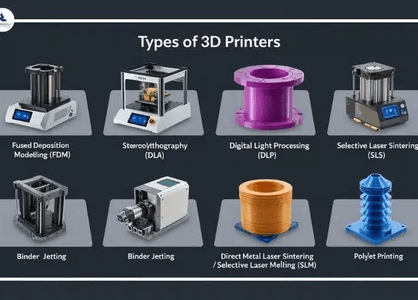
Various brands employ varying technologies. Each one has its own strengths. Here are some common ones that you need to know about:
- Selective Laser Sintering (SLS) is a technique that fuses powdered TPU together. It is done layer by layer with the help of a laser. The unprinted powder holds everything in place. That is why there is no extra support needed. This method handles complex lattice geometry extremely well.
- (Fused Deposition Modeling (FDM) is an extruding process that uses flexible filament that is heated and pushed through a nozzle. Brands like Zellerfeld have refined this method specifically for TPU to produce fully printed uppers and soles.
- DLP and HALS use light to cure the material. These methods are fast and produce sharp surface detail. This makes them well-suited for high-resolution lattice printing.
- MJF (Multi Jet Fusion) is an HP-developed process. It is faster than SLS and delivers consistent mechanical properties throughout the part. This makes it practical for producing larger batches of 3D printed shoes.
Step 4: Printing
The printer starts building the shoe layer by layer from the base up. A single pair can take several hours. The important thing here is that industrial printers run multiple units at once. This means production keeps moving.

Step 5: Post-Processing
The shoe gets cleaned up after printing. SLS parts have excess powder removed. Some methods require washing or UV curing. Light finishing work brings the surface to its final texture and feel.
Step 6: Assembly
Most 3D printed shoes pair a printed sole or midsole with a knit upper. These are bonded together in the final assembly. Some brands are pushing toward fully printed single-piece construction. This removes adhesives from the equation and results in a stronger and cleaner build.
Why Foam Is Losing Ground

There are a number of good reasons why foam is getting replaced. This makes it easy to understand why more and more manufacturers are moving away from it.
No Wastage
Foam won for decades because it was cheap and practical to produce at scale. That advantage is shrinking fast. 3D printing generates almost no waste. Material goes exactly where it is needed. Traditional cut-and-glue manufacturing leaves scraps at every stage, and that adds up across millions of pairs.
Greater Ability to Customize
Customization is another area where foam falls short. Every size 10 foam sole is identical. A 3D printed sole can be tuned for:
- Flat feet
- High arches
- Wide toe boxes
All of this is possible without changing a single physical mold. The adjustment happens entirely in the digital file.
Higher Lifespan
Then there is the lifespan question. A foam sole that has lost its rebound is not really providing support anymore. It just feels like it is. A lattice built from geometry does not suffer that kind of breakdown. The structure stays the structure.
Try It Yourself: Nexbie Aeroraise 3D Printed Sneakers
Reading about this technology is one thing. Wearing it is another. Nexbie's Aeroraise 3D Printed Sneakers put all of this into a shoe you can actually use every day.

The Aeroraise uses an advanced lattice midsole. It provides actual softness without the bulk. One-piece printing is printing the core structure in a single piece. The best part is that there are no glue joints that can come undone over time.
The open lattice keeps air moving through the sole with every step. Warm air gets pushed out while cooler air comes in, which is especially useful when looking for breathable shoes for sweaty feet. Your feet stay comfortable through long wear without the heat buildup that closed foam traps in.
Aeroraise 3D Printed Sneakers
$159.00$229.00
- 3D printed in one piece
- Soft underfoot without feeling bulky
- Built-in gaps let your feet breathe
- No glued joints to come apart
- Easy to wear, every day

Nexbie also builds 3D printed slippers and kids' shoes on the same foundation. The Aeroraise is a solid place to start if you want to feel the difference between foam and lattice firsthand.
Frequently Asked Questions
Q: Are 3D printed shoes strong enough for daily use?
A: Yes. Quality TPU with proper lattice engineering holds up well to everyday wear. It also maintains support longer than traditional foam does.
Q: What material is used in 3D printed shoe soles?
A: TPU (thermoplastic polyurethane) is the most common choice. It is flexible and durable. They are also lightweight and work extremely well with lattice geometry.
Q: Do 3D printed shoes actually keep your feet cool?
A: They do. The open lattice allows air to move through the sole naturally. Each step pushes warm air out and pulls cooler air in.
Q: Can a 3D printed shoe be customized for my foot?
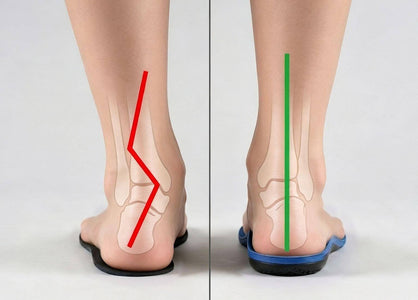
A: Many brands are moving in this direction. Foot scan data can adjust the lattice density to match your arch, foot width, and pressure points.
Q: How long does it take to print a pair of shoes?
A: A single pair typically takes a few hours. Industrial printers run multiple pairs simultaneously to make the process commercially practical.
Summary
We hope you know how 3D printed shoes are made and how the lattice structure is changing. It all comes down to one core idea: geometry beats foam. The lattice structure delivers zone-specific cushioning and genuine breathability.
It also has a lifespan that foam simply cannot match. The whole process is built around precision right from digital design to layer-by-layer printing and final assembly. Foam had a long run. The lattice is what comes next.