There is a very high chance that the shoes you are wearing right now contain EVA, PVC, or both. These are amongst the most commonly used components in modern footwear. In fact, EVA is used in more than 62% of running shoes and dominates the global midsole market due to its lightweight cushioning and comfort.
Despite their widespread use, many consumers still have questions about their safety. Is EVA/PVC toxic in footwear? That’s exactly what we’re breaking down in this piece. We’ll review EVA and PVC in detail and discuss the safety of these materials and potential concerns.
What EVA and PVC Actually Are
Before we move on to is eva/pvc toxic in shoes, first let's understand what these materials are:

What is EVA?
EVA, or ethylene vinyl acetate, is a copolymer of ethylene and vinyl acetate produced at high pressure. It was first developed in the 1950s and is now one of the most common materials used to make shoes. It’s lightweight, flexible, and offers excellent shock absorption without adding weight to the shoe, which is why brands love it. It is most commonly found in insoles, foam padding, and midsoles.

Key features of EVA:
- Lightweight: Far lighter than rubber or PVC
- Flexible: Even in cold temperatures, it is soft and bendable
- Shock Absorbing: Compresses under pressure to absorb impact
- Odorless when cured: Low odor relative to other synthetics
- Cost-effective: Low cost of mass production
- Water Resistant: Doesn't absorb moisture easily
What is PVC?
PVC (polyvinyl chloride) is one of the world’s oldest synthetic plastics, first produced commercially in the 1920s. It is tough, waterproof, and cheap to mold into almost any shape, which is why it is used in shoes. It’s in rain boots, sandals, shoe soles, and synthetic uppers. PVC is naturally stiff, unlike EVA; that's why manufacturers add chemical plasticizers to soften it for footwear use. This is where the concerns arose.

Key features of PVC:
- Very durable: Resistant to wear, water, and chemicals
- Moldable: Can be shaped into almost any design
- Waterproof: One of the best moisture barriers in footwear
- Rigid base material: Needs plasticizers to make it flexible
- Low production cost: One of the cheapest plastic shoes on the market
- Long lifespan: Resistant to degradation over time
Are EVA Shoes Toxic?
EVA is generally safe. The cured polymer is stable in itself. It doesn't break down under normal use. However, the material is not the issue; it's the manufacturing process.
EVA foam is made using a blowing agent called azodicarbonamide. When the foaming temperature isn't properly controlled, this agent breaks down, leaving formamide residue in the final product. That's where the concern begins.
Formamide
Formamide is a byproduct of improper EVA processing. It is classified as a Class 1B reproductive toxicant by the European Chemicals Agency (ECHA). In 2010, France banned EVA foam mats for a while due to formamide concerns. Studies found some EVA products sold in Europe had levels as high as 1,266 mg/kg.
VOC Off-Gassing
That smell of brand-new shoes? It is VOCs off-gassing from the cross-linking agents used in EVA production, primarily dicumyl peroxide. One of the release compounds formed during processing is acetophenone. At high concentrations, these can cause discomfort. They are most common when shoes are new and in poorly ventilated areas.
What Actually Matters
Certified EVA, manufactured at controlled temperatures and conditions, has significantly lower levels of residual chemicals. The risk isn't EVA as a substance. It's unregulated production.
Are PVC Shoes Toxic?
PVC is a fairly stable and rigid plastic. The problem is that rigid PVC is not very suitable for use in footwear. It needs to be softer. To achieve this, manufacturers add plasticizers, most often phthalates.
Phthalates
Phthalates are chemicals used to make PVC soft and flexible. DEHP and DBP are the most commonly used. These are classified as endocrine-disrupting chemicals by several
regulatory agencies. Research published in NIH-indexed journals links phthalate exposure to:
- Reproductive toxicity
- Hormone disruption
- and liver damage.
Should You Actually Be Concerned?
Your feet are literally in contact with your shoes for hours every day. Sweaty feet also make it easier for your skin to soak up chemicals. Heat and friction make this even more likely.
That said, the actual level of concern depends on a few things:
- Manufacturing quality: Regulated, certified EVA and PVC have far lower levels of chemical residue than unregulated budget alternatives.
- Who wears them: Children absorb chemicals at a much faster rate than their body weight. Their skin barrier is also not as developed. Hence, most of the regulatory testing is directed at children’s footwear.
- How long you wear them: If you wear shoes for 10+ hours per day, you’ll have a significantly higher cumulative exposure than someone who wears them occasionally.
Nexbie: A Commitment to Comfort and Material Safety
All of the above—formamide in EVA, phthalates in PVC, and VOC off-gassing—it all comes down to manufacturing choices. Here’s how Nexbie shoes are different:
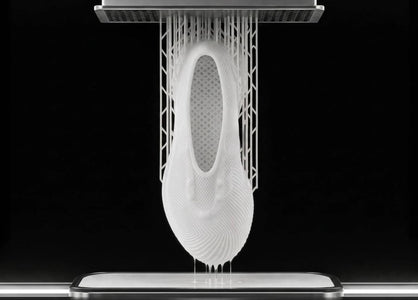
- No Blowing Agent, No Plasticizers: Nexbie shoes are 3D printed from UV-curable polyurethane. No foaming process means no formamide risks. No PVC means no need for phthalates.
- Stable Under Skin Contact: Once cured, the polyurethane structure is permanently locked in. It won’t off-gas, leach, or degrade even with daily heat and sweat.
What the Testing Shows
- CP65 & REACH compliant: no harmful phthalate levels
- SVHC screened: no substances of very high concern identified
- No toxic stabilizers. Heavy metal-free.
- Zero VOCs: no chemical smell, no off-gassing
Nexbie Aeroraise 3D Printed Sneakers

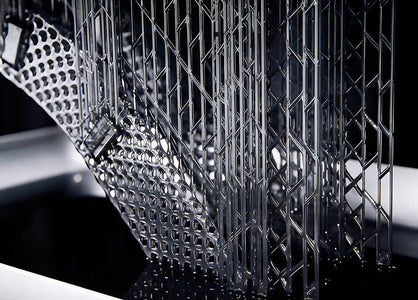
Aeroraise is Nexbie’s flagship sneaker. It’s 3D-printed from a UV-curable polyurethane. It has an open lattice structure, so there is 360° airflow. It addresses the heat and sweat buildup that speeds up skin absorption in traditional shoes.
- 3D printed with EVA free, PVC free material
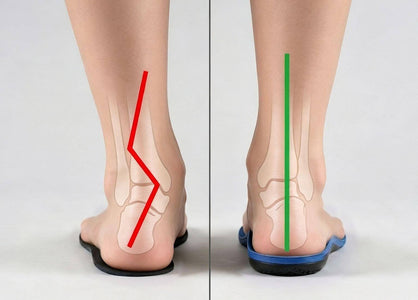
- 3D lattice arch support
- Elastic impact cushioning, tested for thousands of flex cycles
- Odor-resistant and breathable by design
- Water-resistant, machine-washable
Frequently Asked Questions
Q: Are PVC shoes safe?
A: Yes, in general, if it’s certified and regulated. The danger comes from making it without regulation, using phthalates and heavy metal stabilizers.
Q: Is EVA or PVC safe?
A: Both can be safe if made to proper manufacturing standards. The issue is residual chemicals from bad production, not the base materials.
Q: Which is better, sole PU or EVA?
A: PU is tougher and more chemically stable. EVA is cheaper and lighter. PU is preferred for skin safety and durability.
Q: Is EVA just plastic?
A: EVA is a synthetic copolymer (a kind of plastic). But it is more flexible and softer than most typical plastics.
Conclusion
EVA and PVC are found in almost all modern shoes. Both materials are generally considered to be safe under controlled manufacturing conditions. The real concerns are formamide in EVA, phthalates in PVC, heavy metals, and VOC off-gassing. They are not coming from the materials themselves. They are the result of poor production standards and unregulated supply chains.
For most adults who wear certified shoes, the risk is low. It is higher for children, for prolonged daily use, and for footwear from unverified sources.
What protects you is choosing brands that are transparent about their materials, testing, and certifications. Brands like Nexbie, where that information is publicly available, not something you have to guess at.