

You might have noticed that shoes do not wear out all at once. It starts slowly: the heel starts leaning, the sole will wear out, or it may even separate near the toes. By the time you can see the wear, the shoe may already feel flat and unstable. That is why durability is difficult to assess.
Heavy materials or thick soles may look reassuring, but they do not tell the whole picture of shoe durability. It heavily relies on how individual shoe components respond to repeated pressure, bending, moisture, and friction.
In this article, we will take a closer look at weak points and explain how care changes shoe life.
What Does “Durable Shoes” Actually Mean?
Durable shoes mean more than just shoes that look good over time. For a shoe to qualify as durable, it needs to keep its shape, grip, and ankle support even after long use. That changes what you need to examine. Here are a few things to look at when buying shoes:
Begin With How You Will Use Them
Before you move on to comparing materials, determine the level of pressure your shoes will take every week. Durable walking shoes need to have flexible soles with excellent grip and upper parts that can be bent downward.
When it comes to durable running shoes, the factor is cushioning and its ability to return to its original form after every step. In case you need shoes for work or standing still, you will want to pay special attention to the support system along with comfort and cushioning.
Inspect the Areas Most Likely to Fail
Looking closely at both shoes, it will reveal small differences between them. Examine the careless stitching, uneven shaping, or weak joins.
-
Upper: Test the upper material by compressing the toe and side areas. When released, the material should return to shape and leave no permanent crease.
-
Joins: Use your finger to feel the join between the upper and sole. There should be no gaps or loose threads at the join.
-
Sole: Look at the bottom of the shoe under the heel and ball of the foot. The rubber there should feel hard yet still flexible.
-
Cushioning: Press the cushioned part of each shoe with your thumb. Both sides should spring back evenly instead of staying compressed.
-
Heel: The back of the shoe should be strong enough to hold its shape.
How Nexbie Builds Durability Into Aeroraise
A number of shoes usually fail when the upper and sole come apart. Certain shoes get weakened when they bend thousands of times. Nexbie takes a different approach in these areas with Aeroraise 3D-printed shoes.

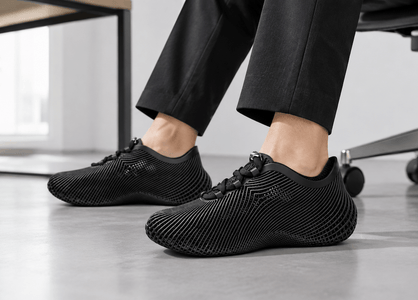
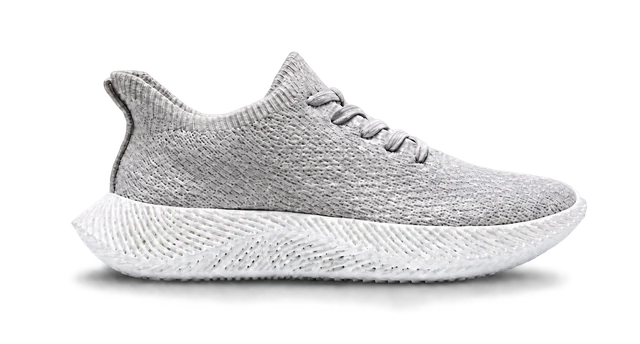
Instead of combining different layers, Aeroraise creates an upper and sole as one piece. Therefore, it handles stress differently.
-
Fewer joined sections: This single structure removes several glued joints that can come apart under persistent bending.
-
Flexible material: Aeroraise is made from ELASTO 1000, which compresses and returns to shape as you walk.
-
Tested for repeated bending: According to testing, Aeroraise retained 92% of its original condition after 100,000 flex cycles.
-
Quick drainage: Water gets out of shoes instead of sitting for hours.
-
Easy Cleaning: The shoes can be washed with a bit of cold water mixed with soap and then dried in the shade.
These features remove the common failure points found in traditional shoes. The continuous structure of Aeroraise is suitable for people who commute, walk a lot, or spend a lot of time standing.
How to Care for Shoes So They Last Longer
How you use your shoes after bringing them home plays a significant role in their lifespan. Dirt holds moisture, while constant dampness can ruin the seams and cause unpleasant smells.
You do not need a complicated cleaning routine to keep your shoes in good shape. Here are a few simple habits you can follow:
-
Remove loose dirt early: Get rid of dust and mud before it gets too dry and settles into the seams and other rough surfaces of the shoe.
-
Clean correctly: Check the care label before cleaning, as harsh methods may cause fading or dry out the upper of the shoes.
-
Let shoes dry: After taking off shoes, remove the insoles and place them in a well-ventilated area. Avoid using direct heat since it warps materials and weakens glue.
-
Rotate your pairs: For each day of use, give your shoes a day of rest. This allows moisture to escape and shoes to dry properly.
-
Protect the heel: Untie the laces before taking your shoes off. Stepping on the heel can weaken its shape.
-
Store them properly: Put your shoes in a dry place and out of direct sunlight. If possible, avoid putting heavy shoes on top of light ones.
Signs Your Shoes Need Replacing
Even with proper maintenance, shoes can wear with time and usage. Also, a pair may look good, but it has lost support, and this requires replacement. Pay attention to how the shoes sit, look, and feel:
-
The tread has become smooth: a flat tread does not provide much grip, which is especially problematic on wet surfaces, roads, and uneven ground.
-
The soles show uneven wear: place both shoes on a flat surface. If the shoes lean noticeably on one side, then one shoe has worn more than the other.
-
The cushioning feels flat: compare the shoes with a newer pair. Worn cushioning often feels harder and less even.
-
The upper separates from the sole: small gaps can spread as the shoe bends. Repair may help if you catch them early.
-
The heel loses its shape: a collapsed heel causes excess movement in the shoe.
-
Familiar walks feel different: Discomfort can indicate a lack of support by the shoe.
One damaged lace or insole does not require a new pair. Those parts are easy to replace. However, several problems together usually point to wider wear.

Frequently Asked Questions
Q: What are the best durable shoes for everyday use?
A: You should look for a flexible rubber sole, reliable construction, and good cushioning. The best pair should also fit your routine, walking surfaces, and foot shape.
Q: Which shoe brand is most durable?
A: There is no brand that is most durable overall. Compare different brands, models, materials, and test results. For example, Nexbie has fewer joins in Aeroraise, which makes it more durable.
Q: Which shoes are best for standing long hours?
A: Standing puts pressure on feet, so choose shoes with a structure that has shock-absorbing midsole cushioning. Instead of extra-soft shoes, go with shoes that fit properly with a stable base.
Q: What type of shoes last longer?
A: Shoes with strong rubber soles, reinforced wear areas, secure stitching, and fewer weak joins often last longer. Their lifespan still depends on surfaces, weather, care, and frequency of use.
Conclusion
Before buying your next pair, look at where your old shoes wore out first. That gives you a useful starting point when comparing durable shoes. Whether you need durable walking shoes or durable running shoes, choose around your routine, check the construction, and make sure the fit works for you.
Aeroraise offers a different construction approach with its one-piece lattice design. Consider it alongside your daily needs and the conditions where you will wear it. Once you choose a pair, regular care and attention to early damage can help you get more use from it.