

Your sneakers are usually on your feet all day long while at work, shopping, and strolling through the neighborhood. If they pinch or rub, you might just think about getting home so that you can take them off. It can be pretty annoying, especially when you’ve only recently bought them. So, how do you choose sneakers that feel comfortable throughout the day? Finding good sneakers starts with understanding your routine and checking for a couple of things while shopping.
In this article, we will cover factors like fit, cushioning, grip, and material. You will learn how to choose sneakers.
Decide What You Need the Sneakers For
Before checking anything else, think about where you’ll wear your sneakers most often. Different sneakers are made with different features.
For instance, a shoe that is comfortable and suitable for everyday wear may not work very well when standing for long hours. On the other hand, running shoes may have more features than your routine requires.
Make a mental note of your week. Do you usually:
|
If you usually… |
Look for… |
|
Stand for several hours |
Supportive cushioning and a stable base |
|
Walk or commute daily |
Secure heel support, enough room in the toe area, and a firm grip |
|
Run regularly |
Running-specific cushioning, flexibility, and traction |
|
Wear sneakers casually |
Comfortable fit, versatility, and easy-to-care-for material |
|
Use outdoor paths |
A stable sole, deeper grip, and durable materials |
Examine the Fit
After determining where you will be wearing the shoes, check how well they fit. Your usual shoe size is just a starting point.
Sizing can vary between brands and even between styles, so make sure to try your sneakers on in your usual socks.

Then walk around and check these areas:
-
Toes: They should have enough space to wiggle without bumping into the front of the shoe.
-
Width: The sides should fit well without squeezing your feet.
-
Heel: Your heel should stay in place instead of lifting with every step.
-
Top of the foot: Laces shouldn't create pressure on the foot.
-
Arch: The arch support should be under your arch instead of pressing it into the wrong point.
It's also important to try to run and jump or change your movements during the fitting. These movements can reveal slipping or rubbing that standing still may hide.
When learning how to choose sneakers, trust what you feel. Don’t expect a painful pair to become comfortable after breaking in.
Check Cushioning, Stability, and Grip
A good fit keeps the foot stable, but the sole determines how each step feels. It is important to check cushioning, stability, and grip at the same time. Extreme cushioning feels comfortable at first, but your foot should not sink so deeply that you feel unsteady.
Walk across the shop, then turn and stop. Observe whether the ankles stay steady or roll towards either side. Press the sole at the toes. It must bend where the foot naturally bends, rather than folding through the middle.
Use these checks while walking:
-
Cushioning: Each step should feel secure and not too heavy or bouncy.
-
Stability: Your heel should stay centred while turning or changing direction.
-
Grip: The sole should hold on the floor firmly without sliding
Look at the Material and Cleaning Requirements
The material type affects how sneakers handle conditions such as splashes from puddles, moisture, dirt, and frequent wear. Material affects how sneakers handle heat, rain, dirt, and repeated wear. Choose it with your local weather and routine in mind.
Mesh and other breathable materials provide better airflow, but they let water and dust enter easily. Leather or coated materials usually manage moisture better. On the downside, these materials can feel warmer and may crease over time.
Ask yourself:
-
How can the shoe be cleaned? Is it machine washable?
-
How long will they take to dry?
-
Does dirt collect in hidden places like grooves or mesh?
Match the Shape and Colour to Your Everyday Outfits
When selecting the colour and shape of the sneakers, you should ensure that they can be worn with garments already in the wardrobe. Otherwise, the shoes may end up being a waste of money.
Start with the trousers you wear most often. Wider hems usually balance chunkier sneakers, while tapered trousers tend to suit slimmer shapes.
Moving on to the colour, neutral colours work best since they are easy to repeat. However, you can also wear brighter shoes if they match the tops, jackets, or accessories.
Finally, make an effort to visualize wearing the shoes with three outfits you already own. This might help avoid purchasing items that you’ll wear less than expected.
How Nexbie’s 3D Printed Sneakers Fit Into Your Daily Routine
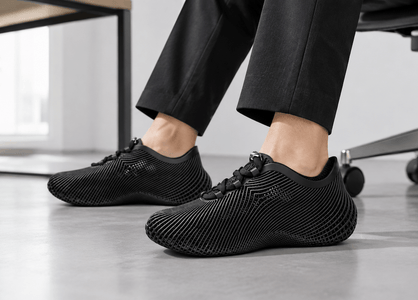
If your week includes commutes, long days standing, and easy outdoor paths, one adaptable pair can make sense. Nexbie designed the Aeroraise 3D printed sneakers for that mixed routine.
Aeroraise 3D Printed Sneakers
$159.00$229.00
- Supportive arch shape for long days on your feet
- Responsive cushioning that stays light
- Open lattice for better airflow
- Quick-drain design for wet days

What Does the 3D Printed Structure Change?
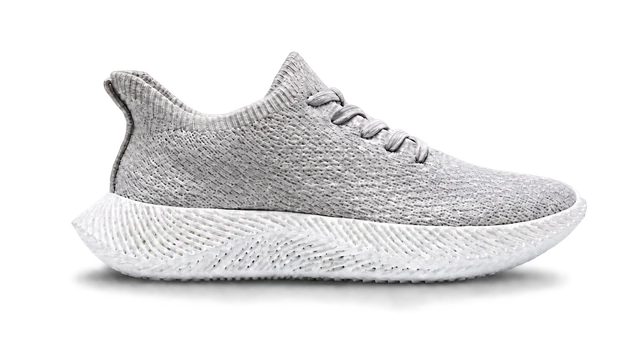
Aeroraise forms its upper and sole through one continuous lattice, giving the shoe its distinctive shape and performance features.
-
Airflow: The open lattice lets air circulate, while drainage channels help water escape after rain.
-
Cushioning: The elastic structure compresses under pressure and springs back, giving repeated steps a responsive feel.
-
Arch support: The shaped arch area supports the foot during longer periods of walking or standing.
Together, these details give Aeroraise a useful place between casual sneakers and footwear for light outdoor activity.

Where Does Aeroraise Work Best?
-
Morning commutes: Ventilation and responsive cushioning suit warm pavements, crowded trains, and repeated walking.
-
Long days standing: Integrated arch shaping and a stable base support the foot through extended shifts.
-
Weekend plans: The draining lattice and gripped outsole suit parks, light trails, and casual outdoor stops.
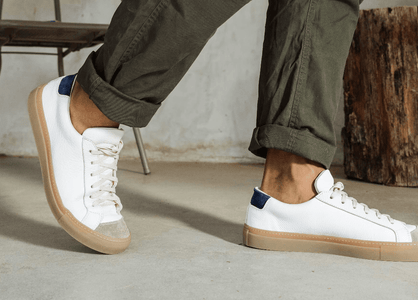
Black and white suit jeans or relaxed trousers. Brighter colours bring more energy to shorts and simple travel outfits.
Frequently Asked Questions
Q: How to choose sneakers for daily casual wear?
A: Start with the places you visit and the time you spend on your feet. Choose a secure fit, balanced cushioning, and easy-care materials. The colour should also work with several outfits you already own.
Q: How to choose sneakers for men?
A: Begin with individual fit rather than relying on a men’s size label. Check width, heel hold, and toe space while walking. Then match the shoe’s proportions with your usual jeans, trousers, or shorts.
Q: How to choose sneakers for walking?
A: Look for enough toe room, firm heel hold, moderate flexibility, and grip suited to your usual surfaces. Walk for several minutes before deciding. Any rubbing or sideways movement may become worse over longer distances.
Q: How to choose sneakers for running?
A: Choose shoes made for running, since repeated impact creates different demands than casual walking. Consider your distance, surface, and preferred cushioning level. A specialist fitting may help if you have recurring pain or previous injuries.
Conclusion
The best type of sneakers for you are the ones that match your daily activities. Start by taking a look at your daily activities, ensuring that the footwear you choose has the right fit, cushioning, stability, grip, and material. A good sneaker should feel secure without being tight, allowing you to move naturally, and work with the outfits you already own. For example, a good sneaker for varied routines is the Nexbie’s Aeroraise, which features ventilation, responsive cushioning, and arch support. Don't forget to walk for a couple of minutes to test your shoes properly. This small effort can prevent future discomfort.