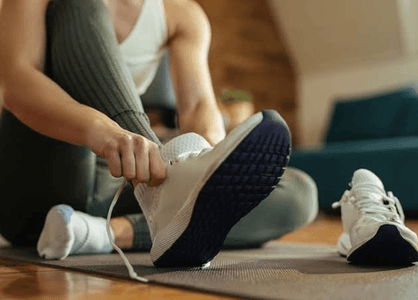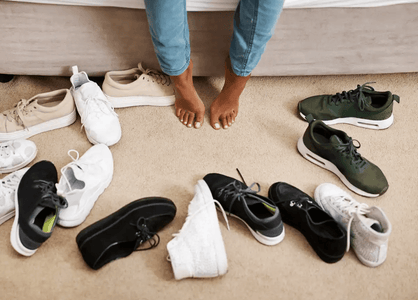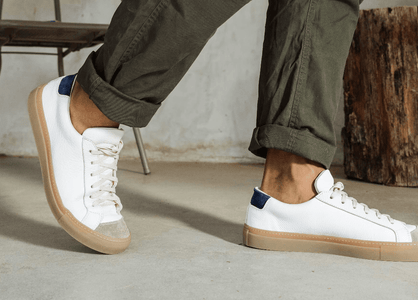


Some shoes can feel comfortable when you put them on but still become the ones you just cannot wait to take off after work. The reason for that might be that your heel is rubbing while you travel to work. Your toes can also feel constrained by the middle of your shift. Those are the details a quick walk around the shop won’t always reveal. The suitable work shoes depend on your activity throughout the working day. Are you on your feet standing at the counter or at tables, or will you spend most of your time at your desk? Each place has different requirements.
What Separates a Work Shoe From Everything Else
A work shoe must withstand higher stress than other shoes in your wardrobe. You use it five days a week for eight or more hours every day, so it should be able to withstand this level of use. This demand is different than a weekend shoe or a pair you only pull out occasionally.
-
-
First of all, it should have proper support. Although a flat and thin sole can look good, it will not let you work comfortably through the whole day. You need enough cushioning under the heel and arch.
-
Proper fit is even more important for work shoes than you think. A slightly uncomfortable fit can cause problems after several hours.
-
The material of your work shoes must be durable and easy to wash. Leather and quality knit last longer and look cleaner than some synthetic materials.
-
Finally, the last thing is what your workplace requires. Work shoes for a warehouse can be very different from work shoes for an office, even if all other requirements are the same.
-
Best Work Shoes for Different Jobs
Office and Desk-Based Work
Office work sounds easy, but you have to move between desks, meetings, hallways, and commutes. Derby shoes, loafers, and even sneakers could work for you depending on the dress code.

Retail, Hospitality, and Service Positions
This is where your shoes will really be put to the test. These jobs require standing on hard floors for long hours, so when the day gets busy, you won’t have time to change your shoes. Your footwear must be comfortable; it should provide arch support, cushioning, and traction. Make sure to choose supportive sneakers, cushioned slip-on shoes, and non-slip shoes.
Casual and Creative Workplaces
If you work in a casual atmosphere, you’ve got more choices. Sneakers, slip-on shoes, or comfortable loafers might work perfectly even if your work requires some errands. The best work shoes in creative professions are the ones that look like a choice instead of whatever you found first.
What to Look For if You Stand All Day
It is a lot harder to stand all day than you might expect. Standing puts pressure on feet, but bad shoes affect your knees, hips, and lower back too.
-
-
Test each shoe with your regular work socks on. Walk, rotate, and stand in place. You should be able to walk comfortably without having your heel squeezed or your toes cramped.
-
Sole thickness: A thicker sole puts more material between your foot and the hard floor. Thin soles transfer every step directly, and you feel it by midday.
-
Ideally, test the shoes in the afternoon or evening if your feet swell up during the day. Make sure to bring your normal inserts because they might affect the available space.
-
Arch support is very important. Look for a shoe with a built-in arch or one that fits an insole comfortably.
-
Cushioning is also important; without proper cushioning, your shoes will feel noticeably harder after two hours.
-
Finally, look at the return policy. Because you can't fully test the shoe in store.
-

Why the Aeroraise 3D Printed Sneaker Works as a Work Shoe
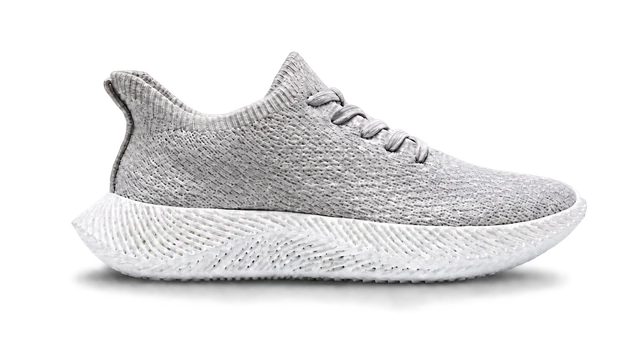
Aeroraise 3D-printed sneakers are designed for people who spend long hours standing, walking, and moving throughout the workday. Instead of relying on a flat foam sole, Aeroraise uses a one-piece 3D-printed lattice that combines arch support, cushioning, rebound, and airflow in one structure. This makes it well suited to jobs where foot fatigue builds up after hours on hard floors.
Aeroraise 3D Printed Sneakers
$159.00$229.00
- Zoned arch support for long shifts
- Responsive cushioning for hard floors
- Lightweight feel for constant movement
- Open lattice helps keep feet cooler
- Easy-drain design for wet workdays

Support for Long Hours on Your Feet
Standing for hours places continuous pressure on the heel and arch, especially on concrete, tile, and other hard floors. Aeroraise uses a denser lattice under the arch to provide structured support, while the heel and forefoot remain more responsive under pressure.
This zoned construction helps support the foot throughout long shifts rather than relying on a thin insert alone. For retail workers, warehouse staff, hospitality employees, and others who spend most of the day on their feet, this support is especially useful during extended periods of standing and walking.

Cushioning That Holds Up Through Daily Use
Work shoes need cushioning that performs beyond the first few hours of wear. The Aeroraise lattice compresses under each step to absorb impact, then returns to shape to provide steady rebound.
Its cushioning retains 92% of its original performance after 100,000 flex cycles. This helps the sole maintain its structure through repeated bending and daily use, an important factor for people who wear the same pair through long shifts week after week.
Lightweight for Constant Movement
Heavy footwear can add to leg and foot fatigue during jobs that involve frequent walking. Aeroraise weighs about 664 g per pair, keeping the shoe relatively light while still providing structured support and cushioning.
The slip-on construction also removes laces and makes the shoe easy to put on and take off, which suits workers who frequently change footwear before or after a shift.
Airflow for Hot Work Environments
More than 80% of the Aeroraise structure is open lattice, allowing air to move through the shoe throughout the day. This ventilation helps reduce heat buildup during long shifts, especially in warm indoor spaces or outdoor work environments.
The open structure also allows water to drain quickly. For jobs involving occasional splashes, wet surfaces, or frequent cleaning, the shoe can be rinsed and dried without water remaining trapped inside thick fabric layers.
For workers whose main priorities are long-standing comfort, cushioning, airflow, and everyday mobility, Aeroraise offers a different approach to the traditional work sneaker.
Frequently Asked Questions
Q: What is the best shoe for being on feet all day?
A: The best work shoes for standing all day have arch support, a cushioned sole, and enough grip for the surface you are working on. Lightweight shoes also help because heavy footwear adds fatigue over thousands of steps. A shoe that checks all of these without being bulky is the one worth buying.
Q: What are some good quality shoes for work?
A: Good quality work shoes depend on the job. Office workers do well with loafers or derby shoes. People in retail or hospitality need more support and grip. The best work shoes for any setting are the ones built for what that job actually demands, not just what looks good on the shelf.
Q: What are the most comfortable shoes for working on my feet all day?
A: Comfort over a full shift comes down to arch support, heel cushioning, and fit. The best work shoes for women and men in physically demanding jobs are ones with a supportive sole, enough room in the toe box, and materials that breathe. A shoe that feels fine in the morning but tight by afternoon is not the right fit.
Q: Which shoes are good for daily wear?
A: The best work shoes for men and women for daily wear are ones that handle different situations without falling apart. Clean sneakers, loafers, and slip-ons with good support cover most daily needs without needing to swap shoes between activities.
Conclusion
Bad work shoes are one of those things you only notice when they are causing a problem. By then, you have already spent a week or a month getting through days harder than they needed to be. The right pair does not have to be expensive or complicated. It just has to match what your job actually asks of your feet. The Nexbie Aeroraise suits people who are on their feet most of the day and work in environments where breathability and comfort matter more than formal appearance.