

Are you wondering what to wear when hiking? Technically, there is no special clothing required for hiking. Because there are different variables that can change the requirements, for example, temperature or duration of terrain. There are three practical basics that you should consider: staying dry, protection from the elements, and keeping your feet stable on uneven ground. But these things can determine if you have a comfortable hike or entirely the opposite. Continue reading to know what to wear when stepping on the trail.
Choosing the Right Shoes
Choosing the right hiking shoes is not just about comfort; it can make or break your entire experience. When you are hiking, you are walking on rocks, mud, and steep and uneven trails, so you need shoes that can handle all of this. Hence, your shoes need to provide good grip, support your ankles, and protect your feet. While the wrong pair can leave you with blisters and sore feet. And these problems quickly turn into a big one when you are hiking for hours.
Here are some key factors to consider:
-
Trail Conditions: If you are walking on an easy, flat trail, lightweight shoes with flexible soles are a good choice. But muddy paths with loose gravel and rocky slopes require a tougher sole for better grip and keeping you steady.
-
Hike Distance: For a short, casual hike, you don’t need a lot of cushioning or support. However, if you are going to walk for hours, you’ll need shoes with good cushioning to keep your feet comfortable and reduce fatigue.
-
Backpack Weight: If you're carrying just a few essentials, flexible, low-cut shoes can work well. But if you are carrying a heavy backpack, you’ll want to go for stiffer shoes that can handle the extra weight on uneven ground.
Common Types of Hiking Shoes
Here are some common types of shoes for hiking:
-
Hiking Shoes: These shoes are a suitable option for regular hikes. Their tough soles and extra-reinforced toe caps keep your feet safe from rocks and ground. Also, they don’t limit your movements due to their low-cut shape, just like simple sneakers.
-
Trail Runners: If you are looking for something lighter and more mobile, you should try trail runners. These shoes are developed particularly for off-road activity. Their upper is made of breathable mesh fabric, which allows for airflow and keeps your feet dry while hiking. They are perfect for a short and casual stroll.
-
Hiking Boots: Do you plan to hike on difficult terrain or carry a heavy bag? Hiking boots have a more rigid design and higher collar at the ankle with stiff soles to ensure your safety on uneven paths.
Nexbie Aeroraise: Lightweight Comfort for Light Trails & Day Hikes
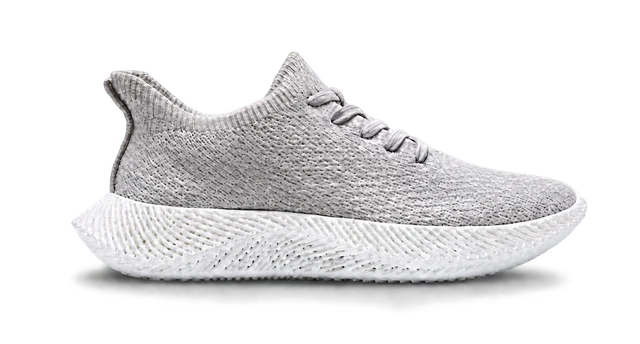
Hiking doesn't always mean climbing steep mountains or tackling rocky trails. Sometimes, it's a few hours exploring a nature path, walking through a forest, or enjoying the outdoors on a warm summer day. For these lighter adventures, Nexbie Aeroraise 3D-printed sneakers offer a distinctive combination of breathable construction, cushioning, and flexible design.
-
Breathable lattice design for warm-weather walks
-
Responsive cushioning for repeated steps on easy trails
-
Supportive structure designed to distribute pressure underfoot
-
Open construction that allows water to drain
-
Slip-resistant outsole designed to provide grip during outdoor movement

Comfort for Longer Walks
Ever noticed how your feet start feeling tired halfway through a hike? Repeated steps can take their toll, particularly when you're walking for hours. Aeroraise uses an elastic, 3D-printed lattice designed to compress under pressure and rebound as you move. This cushioning may help make longer walks on relatively smooth trails more comfortable, while its structured design aims to distribute pressure beneath the foot.
A Breathable Choice for Summer Trails
Walking under the summer sun can leave your feet feeling hot and sweaty, especially when your shoes don't allow much airflow. Aeroraise features an open lattice structure that allows air to circulate around your feet. This makes breathability a useful consideration for warm-weather nature walks, where keeping your feet comfortable can make the journey more enjoyable.
When the Trail Gets Wet
Imagine coming across a shallow stream or a wet section of trail. Rather than trapping water inside a conventional closed upper, Aeroraise's open structure allows water to drain out. This can be helpful when your shoes get splashed, although it also means water can enter easily, so the design isn't intended to keep your feet dry in rainy conditions.
Freedom to Explore
For casual hikes, park trails, and easy outdoor walks, you may prefer footwear that feels comfortable without the bulk of a traditional hiking boot. Aeroraise combines a sneaker-style design with responsive cushioning and an open structure, making it an option to consider for less demanding routes.
What to Wear When Hiking in Summer
Once your footwear is sorted, it's time to think about the rest of your outfit. When deciding what to wear when hiking in summer, focus on lightweight fabrics, breathable clothing, and sun protection. You don't need expensive gear, just clothes that keep you comfortable when the temperature rises.

Summer Tops
Choose lightweight tops made from polyester, nylon, or Merino wool. These fabrics generally manage sweat better than cotton and dry faster.
-
Sun Shirts (UPF-Rated): Lightweight, long-sleeved sun shirts help protect your skin from direct sunlight. They can be surprisingly comfortable in hot weather, especially when the fabric is breathable.
-
Breathable T-Shirts: Prefer short sleeves? A moisture-wicking T-shirt is a great option for warm days, particularly on shaded trails.
Summer Bottoms
Your choice of bottoms depends on the temperature and the type of trail you're exploring.
-
Hiking Shorts: Perfect for hot weather and well-maintained paths, offering plenty of airflow and freedom of movement.
-
Convertible Pants: These let you switch between full-length pants and shorts as temperatures change throughout the day.
-
Lightweight Hiking Pants: A practical choice for trails with tall grass, bushes, or insects, providing extra coverage without adding too much weight.
Sun and Heat Protection
Don't forget a wide-brimmed hat or baseball cap, UV-blocking sunglasses, and broad-spectrum SPF 30 or higher sunscreen. Long sleeves and lightweight pants can also help protect exposed skin. Even when the weather feels pleasant, the sun can be intense on open trails.
The Layering System and Fabric Choice
Mountain weather can change quickly. You might start your hike in warm sunshine and find yourself dealing with cold winds an hour later. That's why dressing in layers makes sense.
The Three Basic Layers
-
Base Layer: A lightweight shirt or thermal top that helps manage sweat. Polyester, nylon, and Merino wool are good options.
-
Mid-Layer: A fleece or lightweight insulated jacket that keeps you warm when temperatures drop.
-
Outer Layer: A packable, waterproof jacket that protects you from rain and wind.
You don't always need all three layers. Adjust them according to the weather and how hard you're working.
Frequently Asked Questions
Are trekking shoes waterproof?
Some are, while others prioritize breathability. Waterproof shoes can help in rain and on damp trails, but water may still enter over the shoe collar.
What to wear when hiking in summer?
Wear a lightweight, moisture-wicking shirt, comfortable shorts or hiking pants, suitable hiking socks, and shoes with good traction. Add a hat, sunglasses, and sunscreen for sun protection. Bring a rain jacket if the forecast calls for changing weather.
What is the difference between hiking and trekking shoes?
Hiking shoes are commonly designed for day hikes and established trails, balancing flexibility, cushioning, and grip. Trekking footwear may offer stiffer soles and more protection for longer trips or rougher terrain.
Can I wear normal sneakers on a hike?
Yes, for short walks on flat, dry, well-maintained paths. But for rocky trails, loose gravel, mud, or steep slopes, hiking shoes or trail runners generally provide better grip and underfoot protection.
Conclusion
Knowing what to wear when hiking doesn't have to be complicated. Choose footwear that suits your trail, wear breathable clothing, and bring layers for changing weather. If you're hiking in summer, prioritize sun protection and moisture management.
If you're planning easy trails or summer nature walks, the Nexbie Aeroraise 3D-printed sneakers are worth considering. Their open lattice design, responsive cushioning, and water-draining structure make them worth exploring for casual outdoor adventures.