

You might have seen the word "sustainable" on shoeboxes, hangtags, and marketing copy, but what does it actually mean? In footwear, it means making shoes that use fewer resources and can be disposed of in ways that reduce environmental harm. In reality, the sustainability rate of footwear is very low. A single pair of sneakers is made from a dozen different components, and a pair of leather shoes can consume up to 8,000 liters of water when factoring in raw material extraction (like leather and cotton) and processing.
But 3D printing is changing how shoes are made in the first place, impacting their performance, durability, and recycling.
What is Sustainability in Footwear?
In footwear and fashion, the term "sustainability" is often treated as a vague marketing claim. But the real sustainability depends on the environmental impact of the shoe. From the materials it uses, the way it is manufactured to how long it lasts and what happens when it can no longer be worn, all of these factors count. To accurately judge whether a shoe is eco-friendly, you have to measure its performance across three core metrics:
-
Materials,
-
Production,
-
Longevity.
Materials
Traditional sneakers are made of virgin leather, petroleum-based synthetic foams, cotton, and synthetic rubber. The extraction and processing of these materials require vast areas of land, toxic tanning chemicals, and huge quantities of water. Even worse, mixing as many as 40 different materials into one sole and upper makes raw material recovery impossible once the shoe reaches the end of its life.
Production
Traditional shoes use global supply chains consisting of multiple fragmented steps. Individual components are manufactured in separate facilities, shipped across continents to assembly hubs, and glued together in energy-intensive factories. Since companies cannot accurately predict demand, they mass-produce shoes. When those forecasts overshoot, the unsold inventory is often discounted, incinerated, or landfilled outright.
Longevity
Even an excellent traditional shoe has a limited functional life span. A midsole made of foam needs to be filled with air pockets for cushioning. And this air is compressed permanently after repeated use. Because the components are bonded with solvent-based adhesives, the shoe can't be repaired or partially replaced; once one glued joint fails, the entire pair is usually discarded.

3D Printing: A Modern Approach to Footwear Production
If we look beyond one shoe, the scale of the problem becomes clear. Every year, over 24 billion pairs of shoes are manufactured, and the average carbon footprint of one pair of synthetic running shoes is 14 kg of CO₂-equivalent. A study conducted by MIT revealed that the processes of material processing and manufacturing account for 29% and 68%, respectively, which means that almost all of the emissions occur even before a shoe gets to a retail shelf.
Now we know that the traditional shoe manufacturing process has some major environmental flaws. A modern solution to this is shifting to sustainable 3D printed shoes created through additive layer-by-layer digital construction. This digital shift allows the sustainable 3D printed shoes to be built straight from a 3D blueprint. This eliminates tool molds, excess material scrap, and energy-heavy factory lines.
One excellent example of this is Nexbie sustainable 3D printed shoes. Let’s take a look at how Nexbie is making this process sustainable while utilizing 3D printing to add performance features to shoes.

Nexbie: Redefining Sustainable Footwear
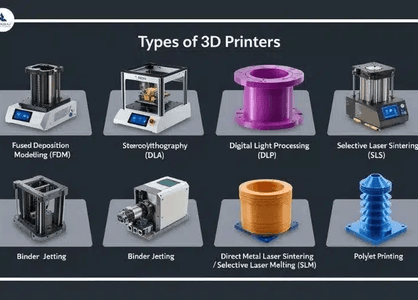
Nexbie leverages advanced additive digital manufacturing using HALS DLP single-piece construction. This directly tackles footwear waste. Nexbie has combined eco-friendly manufacturing with underfoot performance.
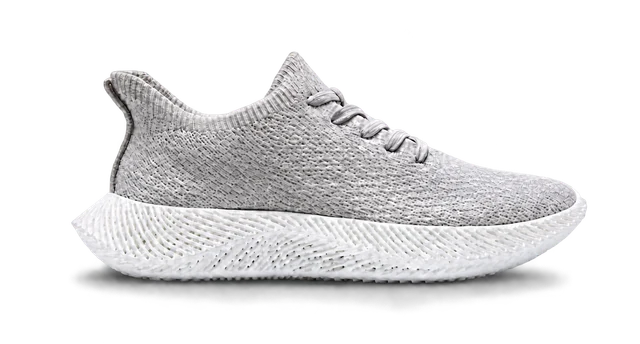
Aeroraise 3D Printed Sneakers
$159.00$229.00
- One-piece design with no glue or seams
- Made with eco-friendly material
- Less material waste through 3D printing
- Durable lattice that keeps its spring
- Built for longer-lasting everyday comfort

1. Single-Piece Construction: Eliminating Glues & Factory Waste
Making a regular sneaker starts with cutting dozens of parts out of synthetic sheets, which can generate up to 25% material scrap before assembly even begins. They then bond the pieces with toxic, non-recyclable glues. This makes them almost impossible to disassemble or recycle.
Nexbie eliminates this by printing the shoes as a seamless unit using a single, non-toxic PU (polyurethane) elastomer.
-
Zero Chemical Adhesives: Because no glue is used, the sustainable 3D printed shoes have a pure monomaterial structure that can be easily recycled.
-
Additive Zero-Scrap Printing: The printing of shoes uses the exact amount of polymer needed, eliminating cutting waste.
-
Simplified Supply Chains: Replaces energy-intensive, multi-factory assembly lines with a single digital print cycle, lowering the manufacturing carbon footprint significantly.

2. Bio-Based Monomaterial
Traditional sneakers are made from petroleum-derived plastics, synthetic rubbers, and virgin foams, accounting for nearly 30% of the shoe’s carbon footprint. Extracting and refining these fossil fuels requires vast amounts of energy. Furthermore, mixing up to 40 different non-biodegradable synthetic materials into one shoe guarantees it will sit in a landfill for centuries.
Nexbie replaces this toxic mix with a single, high-performance Polyurethane (PU) elastomer that is 53% bio-based and fully certified under EU REACH and US CP65 safety standards.
-
Reduced Fossil Fuel Reliance: Utilizing plant-derived bio-content reduces reliance on petroleum extraction and lowers the overall carbon footprint of raw material production.
-
Non-Toxic & Safe: Free from harmful phthalates, heavy metals, and toxic tanning agents, ensuring safe disposal and cleaner end-of-life processing.
3. Extended Lifespan
The most effective way to lower a shoe’s total environmental footprint is to keep it on your feet for as long as possible. The average running shoe loses its cushioning after just 300 to 500 miles because petroleum foam midsoles contain tiny air pockets that permanently collapse under body weight. Once the foam flattens, the shoe is thrown away, contributing to the 300 million pairs of footwear discarded every year.
Nexbie extends product longevity by replacing degradable foam with a geometrically engineered 3D lattice structure that resists permanent compression failure.
-
Compression Resistance Rebound: Nexbie sustainable 3d printed shoes have geometric engineering and durable elastomer materials that spring back into shape after every step.
-
Proven Lab Resilience: In strict laboratory fatigue testing, Nexbie’s high-performance lattice structure underwent 150,000 continuous flexing cycles while retaining up to 92% of its original spring and cushioning.
-
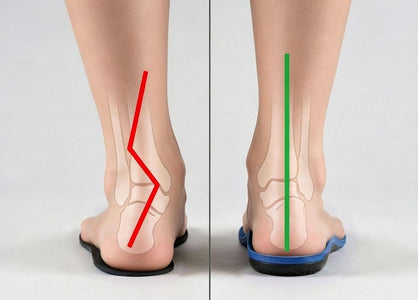
Lasting Comfort and Support: Since the geometrical lattice retains its shape over time, shoes as a result of Nexbie shoes do not lose their shock-absorbing and arch support, giving you that fresh, "day-one" supportive feel even after months of daily wear.
Nexbie is redefining everyday footwear with its dedicated line of 3D-printed sneakers and slippers. Flagship models like the Nexbie Aeroraise demonstrate how single-piece HALS DLP printing turns the raw materials into comfortable and sustainable 3D printed shoes. Eliminating toxic adhesives and minimizing waste enables the production of sustainable 3D printed shoes that combine ergonomic arch support and breathability with a single-material structure.
Conclusion
In order for the footwear industry to become truly sustainable, the wasteful assembly process needs to be replaced by the circular design process. By avoiding glue, minimizing factory waste, and using open-cell lattice technology, sustainable 3d printed shoes provide environmental responsibility.
Nexbie is among the leading brands that demonstrate how 3D printing transforms raw materials into ergonomic, everyday footwear like the Nexbie Aeroraise.