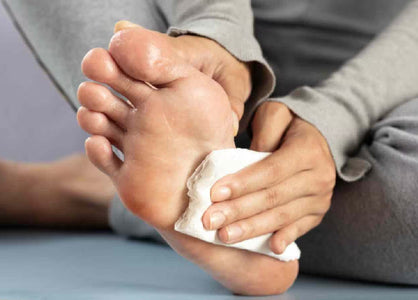
Do you think that orthotics and insoles are the same thing? They are nearly indistinguishable in appearance. Both are inserts that go straight into your shoes, and product descriptions often use the words interchangeably. But picking the wrong one won't fix your problem and could even waste your money. The key difference is your goal. When comparing orthotics vs insoles, insoles are designed for overall comfort and padding, while orthotics provide structural support and help correct your foot mechanics.
Knowing this difference, you can quickly determine which insert will actually relieve your foot fatigue or solve the underlying cause of your pain.
What Are Insoles?
Insoles, otherwise known as comfort liners or shoe pads, are simple inserts that provide additional cushioning inside your shoes. Factory liners in most shoes are paper-thin and inexpensive. Insoles are a simple upgrade to replace them.
They are mainly designed for shock absorption. Each step is cushioned by materials such as memory foam, soft gel, or flexible EVA foam that absorb shock. This helps cushion your heels and the ball of your foot. That makes hard floors much easier to stand on for eight hours.
They are not meant to treat medical problems, and you can buy them over the counter from drugstores or shoe stores. They usually come in standard shoe sizes with outline markings on the bottom so you can trim them to fit your shoes perfectly.
Simply put, insoles are designed for comfort. If your feet just get tired or your shoes feel too hard, a soft pair of insoles is usually all you need. In the orthotics vs insoles comparison, insoles are the better choice for everyday comfort.

What Are Orthotics?
Orthotics are different. They fit inside your shoes like insoles, but they are not there to give you a soft, pillow-like feeling. They are practical devices designed to control how your foot moves and keep your joints in proper alignment.
Orthotics are made from hard plastic, dense foam, or carbon fiber (not soft gel or memory foam) and can be rigid or semi-rigid. They help support your arch, hold your heel in place, and prevent your ankle from twisting as you walk.

There are two primary types of orthotics:
Over-the-Counter (OTC) Orthotics: You can find these in stores, and you don’t need a prescription. They feature a solid, pre-contoured arch shell that provides more support than regular insoles.
Medical Orthotics: Prescribed by a podiatrist, these are made to match the exact structure of your foot using 3D scans or plaster molds. They are custom-designed to address specific biomechanical problems.
If you have sharp heel pain from plantar fasciitis, severe flat feet, or aching knees caused by a poor stride, soft padding won't help. You need the structural support that only orthotics can provide. When comparing orthotics vs insoles, this is where orthotics make the biggest difference.
How Nexbie 3D Printed Orthotic Insoles Approach Different Foot Needs
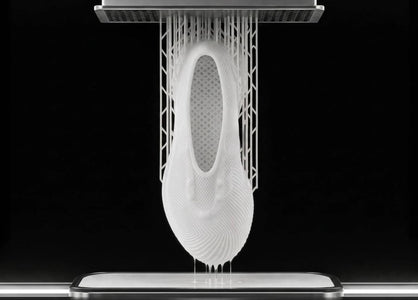
Nexbie 3D printed orthotic insoles take a more targeted approach by using 3D printed lattice structures to create different support characteristics within the same insole. Instead of treating the entire footbed as one uniform surface, the design can vary in density, geometry, and flexibility across the heel, arch, and forefoot.
This allows different areas to perform different functions. Sections requiring greater stability can use a stronger lattice, while areas where cushioning and flexibility matter more can use a more responsive structure. The result is targeted support without making the entire insole rigid or bulky.

Nexbie offers four designs for different levels of foot support:
- H, High Arch Support: Designed for high arches, with an emphasis on supporting the arch and distributing pressure more evenly across the foot.
- L, Moderate Support: Intended for people with slight flat feet who need additional structural support without an overly rigid feel.
- L+, Enhanced Support: Provides stronger structural support for moderate to severe flat feet.
- M, Moderate Cushioning and Support: Designed for everyday activities and sports, combining cushioning with moderate structural support.
This range reflects an important advantage of 3D printed orthotics: the structure itself becomes part of the design process. Rather than relying on one standardized shape, Nexbie uses lattice geometry to adjust how different sections of the insole respond to pressure.
Orthotics vs. Insoles: Side-by-Side Comparison
Orthotics vs insoles – what's the difference? It all comes down to what happens underneath your foot as you take a step. One acts as a shock absorber, while the other works like a supportive brace for your bones and joints.
This is how the two compare across the key factors:
Main Purpose
- Insoles: Provide soft surface padding and absorb ground impact so your feet don't feel beaten up at the end of the day.
- Orthotics: Apply firm support to prevent your arch from collapsing, control foot movement, and keep your ankles properly aligned as you walk.
Materials & Construction
- Insoles: Usually made from soft, flexible materials such as silicone gel, memory foam, or cushioned foam that gradually flattens under your body weight.
- Orthotics: Made from firm materials such as hard plastic, thick EVA foam, or carbon fiber. They don't bend easily, allowing them to withstand the forces of everyday walking.
Nexbie 3D printed orthotics take a different approach. They have a 3D printed lattice structure that provides different levels of support, cushioning, and flexibility across the orthotic. Hence, this provides stronger support where needed while remaining more flexible and cushioned in other areas. This gives the foot structured support without making the entire insole rigid or unnecessarily heavy.
Specific Problems & Medical Use
- Insoles: Ideal for general foot fatigue, sore heels from standing on concrete, or making loose shoes fit a little better. They are not designed to treat medical conditions.
- Orthotics: Designed to help manage conditions such as plantar fasciitis, flat feet, overpronation, heel spurs, and even knee or lower back pain caused by poor foot mechanics.
Customization & Fitting
- Insoles: Generic, mass-produced inserts that you buy based on your shoe size and trim to fit.
- Orthotics: Available as firm, pre-molded over-the-counter arch supports or fully customised prescription devices created from 3D foot scans or plaster molds.
Price & Durability
- Insoles: A pair typically costs between $15 and $40. The soft foam wears down over time and usually needs replacing every 3 to 9 months.
- Orthotics: Quality OTC orthotics typically cost between $50 and $150, while custom medical orthotics range from $200 to $600 or more. Thanks to their durable materials, one pair can typically last between 2 and 5 years.
How to Pick the Right One?
Choosing between orthotics vs insoles comes down to your main symptoms.
Choose Insoles If:
- Your feet feel tired, heavy, or sore after standing on concrete or walking all day.
- Your shoes feel too hard or don't provide enough cushioning.
- You don't have localized pain in your heel, arch, or joints.
Choose Orthotics If:
- You have stabbing heel pain with your first steps in the morning (a classic symptom of plantar fasciitis).
- Your arches hurt, or your ankles roll inward (overpronation) when you walk.
- Poor alignment causes pain that radiates into your knees, hips, or lower back.
The important thing is that not every foot needs the same type of support. High arches, flat feet, and overpronation place pressure on the foot in different ways, so an insole that works well for one person may not provide the right support for another. Nexbie 3D printed orthotic insoles address this difference with four designs tailored to different support needs, from high arches to mild and more pronounced flat feet.
Traditional orthotics can address these needs, but their construction can limit how support is distributed across the foot. Many are made from molded foam or plastic with a relatively fixed structure. This can provide solid support, but it doesn't allow the same level of control over how different areas of the insole respond to pressure.
Frequently Asked Questions
Q: Are insoles and orthotics the same?
A: No, although many brands use the terms interchangeably in product names. Insoles are made from soft gel or foam to cushion your steps, while orthotics use firmer, structured materials to improve support and foot mechanics.
Q: Can I Wear Any Shoe With Orthotics?
A: Not every shoe works well with orthotics. Shoes need enough interior space to accommodate the insole without making the fit too tight. Look for shoes with a removable insole, sufficient depth, and a secure heel.
Q: Can I wear insoles on top of orthotics?
A: Not usually. Stacking them makes your shoes too bulky, reduces toe space, and can lift your heel out of the shoe. It may also change the position of the orthotic, reducing its ability to provide proper support. Always remove the factory shoe liner before inserting either an orthotic or an insole.
Q: Do Podiatrists Always Recommend Orthotics?
A: No. Podiatrists do not recommend orthotics for everyone. The right approach depends on your foot structure, symptoms, gait, activity level, and footwear. Some people benefit from orthotics for additional support or pressure distribution, while others may do well with regular insoles, footwear changes, stretching, or other approaches.
Q: What are the side effects of orthotics?
A: Orthotics change your foot alignment, so it usually takes one to two weeks to adjust. You may experience mild arch soreness or slight fatigue in your feet or legs during the first few days as your muscles adapt to the new alignment.
Conclusion
When it comes to orthotics vs insoles, it's not about which one is better—it's about choosing the right insert for your feet.
If your feet simply feel tired after long days or your shoes lack cushioning, a quality pair of insoles is an affordable and effective solution. However, if you experience chronic arch pain, plantar fasciitis, flat feet, or poor foot alignment, the structured support provided by orthotics is the better choice.