

Do you know that approximately 10 to 20% of the population has high arches? High arches, medically known as pes cavus, matter more than you might realize. They play an important role in how your body weight is distributed and can affect your comfort when walking or standing. Hence, it's important to know your arch type so you can manage it effectively. In this guide, we will explain what high arches are and how to spot the signs. You’ll also get to know how the right insoles can help make walking and standing more comfortable.
What Are High Arches?
Your foot has a natural curve along its inner side, between your heel and the ball of your foot. This is called the arch. When this curve is higher than usual, you have high arches.
The arch helps your foot support your body weight and absorb some of the impact when you move. However, high arches can cause more pressure to fall on the heel and the ball of the foot because less of the middle of your foot touches the ground.
How Do I Know If I Have High Arches?
You don't need special equipment to get an idea of your arch type. A couple of simple checks at home can help you identify the signs.
Try the Wet Footprint Test
The wet foot test is one of the easiest ways to measure the arch of your foot. Here’s how you do it:
-
Dampen the bottom of your foot.
-
Step on a piece of cardboard or paper that will capture your footprint well.
-
Take your foot off the surface and check the wet print.
If your footprint shows a narrow connection from the heel to the forefoot or there is a big gap in the center of your footprint, then you have high arches. A wider connection would indicate that you have low arches.

Symptoms of High Arches
High arches don't cause discomfort for everyone. However, if your foot shape affects how pressure is distributed, you may notice a few common symptoms.
Foot Pain When Walking or Standing
Do your feet start to ache after a long day of working or walking? If you have high arches, this condition could be causing extra strain on some parts of your foot.
It can be especially bothersome if you spend a lot of time walking. Walking on hard surfaces and having an active day can contribute to foot strain.
Pain in the Ball of the Foot
The ball of your foot is the padded area just behind your toes. With high arches, this area may bear more pressure than usual, leading to soreness when walking, running, or standing for long periods.
If you often feel discomfort in this part of your foot, look for shoes with adequate forefoot cushioning and enough room for your toes.
Frequent Ankle Sprains or Instability
Do your ankles feel unsteady when walking on uneven ground? Some people with high arches tend to put more weight along the outer edge of their feet, which can make their ankles more prone to rolling.
If you regularly twist your ankles or struggle with balance, it's worth getting your feet assessed to understand what's causing the problem.
Calluses on the Feet
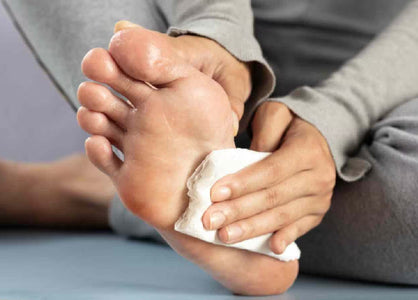
Calluses develop when the same areas of skin experience repeated pressure or friction. If you have high arches, you may notice thickened skin beneath your heel, the ball of your foot, or along its outer edge.
Checking where calluses develop can give you clues about areas that experience more pressure. Comfortable footwear and suitable cushioning may help reduce friction.
Clawed or Hammer Toes
Some people with high arches also develop toes that curl or bend at the joints. This can make wearing shoes uncomfortable, particularly when the toes rub against the top or front of the shoe.
If your toes are becoming more bent or painful, consider getting them checked by a healthcare professional.
Difficulty Finding Comfortable Shoes
Do your shoes feel tight across the top of your foot even when there's enough room for your toes? Your arch or instep height could be affecting the fit.
Look for shoes with enough room across the top, a comfortable toe area, and suitable cushioning under the heel and forefoot. The right fit can make a noticeable difference when you're on your feet throughout the day.
How Can Insoles Help With High Arches?
If you have high arches, you may find that ordinary flat insoles don't provide enough support beneath the middle of your foot. This can leave more pressure on your heel and the ball of your foot, especially when you're walking or standing for long periods.
The right insoles can help provide support beneath your arch while cushioning the areas that carry more pressure. Here's what to look for when choosing a pair:
-
Arch support: Choose support that follows the shape of your foot without pressing uncomfortably into your arch.
-
Heel and forefoot cushioning: Extra cushioning in these areas can make walking and standing feel more comfortable, particularly on hard surfaces.
-
A comfortable fit: Your insoles should sit securely inside your shoes without making them feel too tight.
-
Support for your daily routine: Think about how you spend most of your day. If you're regularly on your feet at work or walking around town, comfort and fit should be priorities.
The goal is to find insoles that suit your foot shape and feel comfortable during everyday activities.
Nexbie 3D Printed Orthotic Insoles
If you're looking for insoles that combine arch support with a lightweight design, Nexbie 3D-Printed Orthotic Insoles are worth exploring. They are designed for everyday activities such as walking, commuting, working, and light running, making them a practical option for people who want more support throughout the day.

Here are a few features that stand out:
-
Four arch-support options: Nexbie offers low, medium, high, and extra-high support heights. This gives you different options to consider when choosing support for your feet.
-
3D-printed construction: The insoles use a structured design that provides support beneath the foot, offering an alternative to conventional flat foam inserts.
-
Lightweight materials: Made with TPU, sponge, and breathable fabric, the insoles are designed to provide support without adding unnecessary bulk to your shoes.
-
Designed for everyday wear: Whether you're commuting, walking around town, or spending long hours at work, Nexbie insoles are made to fit into your daily routine.
Choosing the right support can help make your everyday footwear feel more comfortable. Take a look at Nexbie 3D-Printed Orthotic Insoles.
Frequently Asked Questions
Q: What Is the Difference Between High Arches and Flat Feet?
A: High arches have a more pronounced curve along the inside of the foot, while flat feet have a low arch that sits closer to the ground when standing. These foot shapes affect how pressure is distributed, but neither automatically means you'll experience pain or need treatment.
Q: Can High Arches Be Corrected?
A: High arches don't always need treatment, especially if they aren't causing discomfort. Supportive footwear, suitable insoles, and exercises recommended by a healthcare professional may help manage symptoms. The right approach depends on your foot structure and whether the arches are causing any problems.
Q: Do Foot Arches Flatten With Age?
A: Foot arches can change as you get older, but this varies from person to person. Some people's arches become lower over time, while others maintain a similar shape. If you notice a sudden change in your arch height or develop new pain, it's worth getting it checked.
Q: What Are the Three Types of Foot Arches?
A: When describing foot types, people commonly refer to low arches, neutral or medium arches, and high arches. Anatomically, the foot has three main arches: the medial longitudinal arch along the inner side, the lateral longitudinal arch along the outer side, and the transverse arch across the foot.
Conclusion
Knowing your arch type can help you identify the cause of discomfort and which support would benefit you. A narrow print on the ground, a noticeably raised arch, pain in the heel and forefoot, and problems in finding comfortable footwear could all indicate high arches. First, examine your footprint and pay attention to how your feet feel during the day. If you experience any discomfort, proper footwear and insoles can provide the care you need.