

Wet trails can turn a simple walk into a slippery, soggy mess. The best hiking water shoes should drain quickly, grip wet surfaces, feel light even when wet, and protect your feet when paths shift from water to land. This guide breaks down the best shoe types for water and hiking, including quick-dry 3D printed shoes, closed-toe water shoes, hiking sandals, waterproof hiking shoes, and other practical options.
What Makes Good Shoes for Water and Hiking?
Good shoes for water and hiking need to do more than survive a splash. They should work in two environments at once: wet surfaces and uneven trails.
Here is what to look for:
|
Feature |
Why it matters |
|
Quick drainage |
Helps water escape instead of sitting inside the shoe |
|
Fast drying |
Keeps the shoe lighter and fresher after wet use |
|
Slip-resistant outsole |
Helps on wet rocks, riverbanks, and muddy paths |
|
Secure fit |
Reduces slipping inside the shoe or losing the shoe in moving water |
|
Breathable upper |
Helps heat and moisture escape |
|
Foot protection |
Useful around stones, roots, shells, and uneven ground |
|
Lightweight feel |
Reduces fatigue when shoes get wet |
|
Easy cleaning |
Helps after mud, sand, and river water |
No single shoe is perfect for every outdoor situation. The right choice depends on where you are going, how rocky the terrain is, how much water you expect to encounter, and how much support your feet need.
Best Hiking Water Shoes to Consider
1. Best Quick-Drain Supportive Option

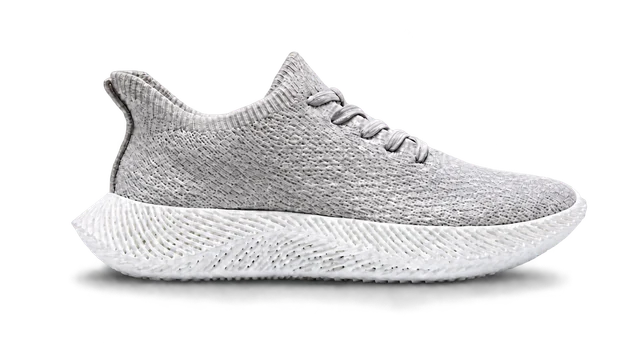
If your outdoor routine includes warm-weather walks, travel, light trails, river edges, wet paths, or long days on your feet, our Aeroraise 3D Printed Sneakers are a strong option to consider.
We designed Aeroraise for people who want more support than a basic water shoe, but less bulk than a heavy hiking boot. It works well as a breathable, quick-drain sneaker for everyday movement and light outdoor use. That makes it useful for hikers comparing flexible quick-drain footwear with water resistant hiking shoes for lighter routes.
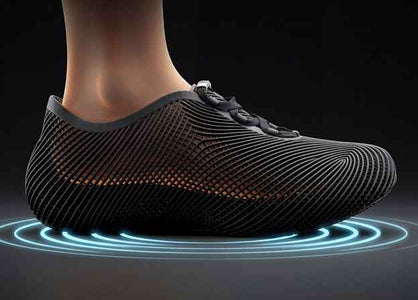
The full ventilation design helps air move through the shoe while giving water a clear path to drain. This helps Aeroraise feel more practical for damp paths, warm weather, wet ground, and routines where shoes need to dry faster.
Support is where Aeroraise becomes more than a simple water shoe. Our 3D dynamic arch-support structure helps create a stable feel underfoot, while elastic impact cushioning softens repeated steps. The high-tension lockdown structure also helps the shoe feel secure during movement.
For deep streams, strong currents, sharp rocks, or technical crossings, the best hiking shoes for water crossings may still be more protective closed-toe water shoes or hiking boots.
2. Best Closed-Toe Water Shoes for Rocky Rivers
Closed-toe water shoes are a smart choice when the riverbed is rocky, uneven, or full of sharp objects. They usually give more toe protection than sandals and more drainage than regular sneakers.
The Keen Newport H2 acts like a tank for your feet with its massive rubber toe bumper and siped outsole that grips slimy rocks securely. If you prefer a sleeker look, the Astral Brewer 3.0 looks like a casual everyday sneaker but uses sticky, boat-grade rubber that holds fast on wet granite while keeping sand out.
These shoes work well for stream crossings, waterfall walks, lakeside trails, and rocky riverbanks. A good pair should have a protective toe area, a rubber outsole, drainage ports, and a snug fit.
They are useful when you expect your feet to get fully wet but still need protection from stones, roots, and rough ground.
The trade-off is that some closed-toe water shoes can feel less stylish for everyday wear. They may also trap grit or sand inside, so you may need to rinse them during or after your trip.
3. Best Hiking Sandals for Easy Stream Crossings
Hiking sandals are great when you want airflow, easy drainage, and quick on-off convenience. They work well for warm weather, casual river walks, beach-to-trail days, camping, and relaxed outdoor travel.
The Chaco Z/Cloud is legendary for its customizable single-strap system and APMA-certified arch support that won't pack out over miles of wet walking. Meanwhile, the lightweight Teva Hurricane XLT2 offers classic three-point Velcro adjustability with a soft heel pad that cushions your joints on rocky shoreline paths.
However, sandals leave more of your foot exposed. That can be a problem around sharp rocks, branches, shells, or rough trails. They are better suited to lighter routes than to technical hikes.
Choose hiking sandals if breathability and easy drying matter more than full foot protection.
4. Best Waterproof Hiking Shoes for Muddy Trails
Waterproof hiking shoes are helpful when your goal is to keep water out rather than let water drain through. They are useful for muddy paths, damp grass, rainy hikes, and cooler conditions where wet feet can become uncomfortable.
The Merrell Moab 3 GTX pairs a proven Gore-Tex waterproof membrane with a rugged Vibram outsole for out-of-the-box comfort on rainy trails. For a plusher ride, the Hoka Anacapa 2 Low GTX combines pillow-like foam cushioning with a recycled Gore-Tex liner to block puddle splashes effortlessly.
These shoes usually offer better trail support than most water shoes. They may also provide a stronger structure underfoot, which helps on longer walks or uneven terrain.
The downside is that waterproof shoes can feel warmer and less breathable. Once water gets inside from the top, they may take longer to dry than quick-drain shoes, so knowing how to dry shoes properly becomes especially important after a wet hike.
Choose waterproof hiking shoes for mud, rain, and damp trails. Choose quick-dry water shoes if you expect to step directly into rivers, streams, or shallow water.
5. Best Trail Running Shoes for Wet Paths

Trail running shoes can work well on damp paths, light rain, and mixed terrain. They usually offer good grip, flexibility, cushioning, and a secure fit.
The Altra Lone Peak 8 features a wide, foot-shaped toe box and a fast-drying mesh upper that essentially pumps water out with every stride you take. For steeper, more aggressive terrain, the La Sportiva Bushido III wraps tightly around your foot to prevent internal slippage while delivering pinpoint traction on wet mountain rock.
For wet but not fully submerged paths, trail running shoes can feel lighter and faster than hiking boots. They are good for people who want speed, flexibility, and comfort over moderate terrain.
However, they are not always ideal for standing in water or crossing rivers. If they lack drainage, they can become heavy after getting soaked.
6. Best Lightweight Water Shoes for Travel
Lightweight water shoes are useful for travelers who need a single pair for beach walks, pools, boat trips, casual hikes, and wet pavement.
They should pack easily, dry quickly, and feel comfortable without adding bulk to your bag. This category is especially useful for vacations that involve alternating between water activities and casual walking.
The main thing to check is the quality of the sole. Very thin water shoes may feel comfortable on sand or pool decks, but they may not protect enough on rocky trails.
For travel, look for a balance of drainage, light cushioning, and enough grip for wet surfaces.
7. Best Slip-Resistant Shoes for Riverbanks
Wet riverbanks can be tricky. Mud, moss, slick stones, and loose gravel can all make footing uncertain.
Slip-resistant water shoes should have a rubber outsole, reliable tread, and enough surface contact to help on wet ground. For soft dirt and trail sections, deeper lugs may be more useful. For boats, docks, and smoother wet surfaces, a flatter sticky sole can work better.
This category is not only about hiking. It also matters for fishing, kayaking, camping, garden work, and everyday wet-weather walking.
No shoe can prevent every slip, but the right outsole can make you feel more controlled.
How to Choose Hiking Water Shoes by Activity
|
Activity |
Better shoe type |
|
Light wet trails |
Quick-dry sneakers or breathable hiking shoes |
|
River walking |
Closed-toe water shoes |
|
Rocky stream crossings |
Protective closed-toe water shoes |
|
Beach-to-town travel |
Lightweight water shoes or quick-dry slip-ons |
|
Muddy trails |
Waterproof hiking shoes |
|
Warm-weather walks |
Breathable hiking water shoes |
|
Camping and riverbanks |
Slip-resistant water shoes |
|
Casual travel |
Lightweight quick-dry shoes |
|
Long rugged hikes |
Supportive hiking shoes or boots |
The key is to match the shoe to the hardest part of your route. If the ground is rocky, choose protection. If the route is mostly warm and wet, choose drainage. If the walk is long, choose cushioning and support.
When Aeroraise Makes the Most Sense

Aeroraise is one of the best water shoes for beach and hiking for people who want one shoe for everyday movement, light outdoor activity, and water-friendly routines.
It makes sense for:
- warm-weather walking
- city-to-trail travel
- light hiking paths
- beach paths
- camping areas
- light riverside walks
- wet pavements
- quick errands after rain
- casual outdoor days
At Nexbie, we designed Aeroraise for people who need more than a thin water shoe but do not want the weight of a rugged hiking boot. Its biggest strengths are breathability, quick drainage, arch support, impact cushioning, and secure everyday comfort.
For anyone wondering are 3d printed shoes worth it, this middle-ground approach is one of the main advantages to consider: you get more structure than a basic water shoe without the bulk of a technical hiking boot.It is more breathable and water-friendly than many regular sneakers, while offering more structure than many thin slip-on water shoes.
Still, it is important to choose honestly. If your route involves heavy mud, cold rain, or long wet trails where keeping water out matters more than draining it, water proof hiking shoes or waterproof hiking boots may be a better choice.
Frequently Asked Questions
Q: What are hiking water shoes?
A: Hiking water shoes are shoes designed for wet outdoor movement. They usually combine quick drainage, grip, secure fit, and some level of foot protection so you can move between water and land more comfortably.
Q: What are good shoes for water and hiking?
A: Good shoes for water and hiking should drain quickly, grip wet surfaces, fit securely, and protect your feet from rough ground. For light routes, quick-dry shoes may work well. For rocky rivers, choose more protective closed-toe water shoes.
Q: Are waterproof hiking shoes better than quick-dry water shoes?
A: Not always. Waterproof hiking shoes are better for rain, mud, and damp trails. Quick-dry water shoes are better when you expect water to enter the shoe and need it to drain fast.
Q: Do hiking water shoes need toe protection?
A: Toe protection is useful for rocky rivers, roots, shells, and uneven trails. Open sandals can work for easy water walks, but closed-toe designs are safer for rougher terrain.
Q: Are 3D-printed shoes good for water hiking?
A: They can be, depending on the design. A 3D printed shoe with airflow, drainage, cushioning, and a water-friendly structure can work well for light water hiking, travel, and casual outdoor use. For extreme terrain, choose more technical footwear.
Conclusion
The best hiking water shoes depend on your route. Quick-drain sneakers work well for light wet trails, travel, and warm-weather walks. Closed-toe water shoes are better for rocky rivers, while waterproof hiking shoes are better for mud and rain.
For readers who want breathable, water-friendly comfort with more support than a basic water shoe, our Aeroraise 3D Printed Sneakers are a strong option. We designed them with quick drainage, full ventilation, 3D dynamic arch support, elastic cushioning, and secure movement. For technical terrain, compare Aeroraise with protective water resistant hiking shoes or waterproof hiking footwear.