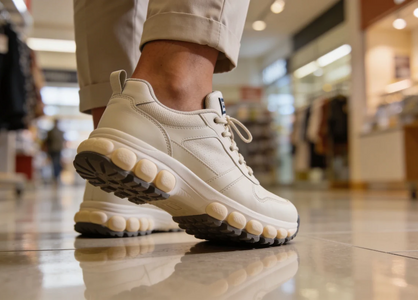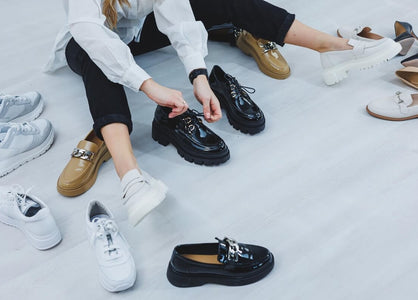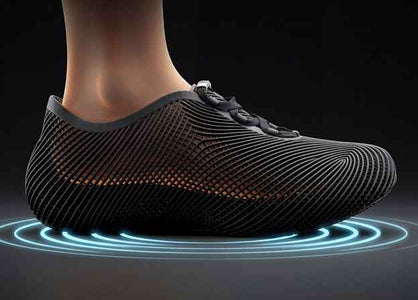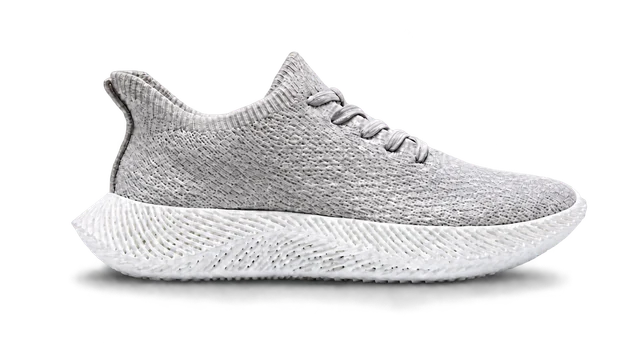


A futuristic lattice may look impressive, but appearance alone does not tell you whether a shoe will stay comfortable, hold its shape, or survive daily use. So, are 3D printed shoes worth it? For many everyday users, yes. Well-engineered models can provide breathable cushioning, quick drainage, flexible support, and easier maintenance. The real value depends on the printing process, material, fit, durability, and whether the shoe matches your routine.
Quick Verdict: Are 3D Printed Shoes Worth It?
If you're interested in 3D printed shoes, you should consider the following:
- Airflow through more of the shoe structure
- Flexible, lattice-based cushioning
- Improved drainage and clean up.
- Less stitched or glued construction points
- A light frame for walking, commuting or recuperating
- Sneakers that function and are futuristic.
They might not be as appropriate if you require formal shoes, insulated winter shoes, certified safety protection or specialist competition footwear. But for most casual and active daily activities, the technology is useful in more than just appearance.
How are 3D Printed Shoes Made?
A 3D printed shoe begins as a digital model rather than a collection of fabric, foam, and rubber pieces. The model defines the shoe’s overall shape, fit, ventilation openings, flex zones, and lattice structure.
Designers can adjust the shape and density of the lattice across different areas. The heel may need greater impact absorption, the arch may require firmer support, and the forefoot may need more flexibility. The printer then turns this digital design into a physical structure by building or curing the material progressively.
From a Digital Model to Printed Footwear
So, can a 3D printer make shoes? Yes, but printing a prototype is different from producing footwear for repeated daily use.
Desktop FDM printers can create simple flexible designs from TPU filament. However, commercial footwear also requires a suitable elastic material, accurate lattice geometry, controlled printing conditions, and consistent finishing.
At Nexbie, we use ELASTO 1000 with HALS 3D Printing, a DLP-based continuous photopolymerisation process. Our production specifications place average printing and post-processing time at approximately two hours per pair, with surface roughness of Ra ≤10 μm.
Finishing and Testing
Printing is not the final step. Excess material and supports must be removed before the footwear is cleaned, cured, finished, and inspected.
The completed shoe may then undergo:
- Fit and dimensional checks
- Repeated flex testing
- Heel-compression testing
- Material-fatigue testing
- Ageing and chemical screening
This is what separates a shoe-shaped printed object from reliable footwear. The printer creates the structure, but design, material quality, post-processing, and performance testing make it suitable for everyday wear.
What Are the Functions of 3D Printed Shoes?
The open lattice in 3D printed shoes is not only a visual feature. Its shape, density, and material determine how the footwear supports the foot, absorbs pressure, allows airflow, and moves during walking.
Zonal Support and Pressure Distribution

Your heel, arch, and forefoot experience different levels of pressure. A printed lattice can use softer cells in areas that need cushioning and denser structures where the foot requires firmer support.
Research supports this design approach. A 2025 study testing five lattice patterns across infill densities of 14% to 20% found that cell geometry and density changed both stiffness and energy absorption. This helps explain why the performance of a 3D printed shoe depends on how its lattice is engineered, not simply whether it was printed.
Cushioning and Rebound
If you are wondering whether 3D printed shoes are comfortable, the answer depends largely on their geometry, material, and fit.
As you step down, the lattice cells compress and absorb part of the load. When your foot lifts, they return to their original shape. This creates cushioning and rebound without relying only on a thick block of conventional foam.
Independent research also shows why lattice geometry matters. In a study involving 20 participants, auxetic 3D printed soles reduced peak pressure in several areas of the foot and increased contact area compared with non-auxetic structures. The most conforming lattice also received the highest comfort ratings.

This does not mean every lattice shoe will feel equally comfortable. The result shows that cell geometry, material, fit, and pressure distribution all influence the experience.
Breathability and Moisture Control
Open cells form ventilation paths through more of the shoe structure. This can help heat escape during commuting, travel, warm weather, or long periods of wear.
The same openings can also help water drain instead of remaining trapped inside the absorbent padding. This makes some designs useful for wet conditions, poolside wear, beach trips, and shoes that need to dry more quickly after cleaning.
Flexible and Lightweight Movement
Digital design allows material to be placed where support is required while leaving open space in other areas. This can reduce unnecessary bulk and create a more flexible structure around the foot.
The actual weight and flexibility still depend on the shoe design, material, and lattice density. However, precise material placement can help printed footwear move naturally without adding unnecessary layers.
Easier Cleaning and Integrated Construction
Smooth printed surfaces and fewer absorbent fabric layers can make dirt and mud easier to rinse away. Open cells may collect sand or grit, but these particles can often be removed after they have dried.
One-piece printing can also reduce the number of seams, stitched panels, and glued joints used in the shoe. This does not eliminate wear, but it creates a more integrated structure with fewer separate components.
Together, these functions explain why 3D printed footwear can offer more than futuristic styling. Its value comes from combining support, cushioning, ventilation, drainage, flexibility, and easier maintenance within the same printed structure.
What Makes 3D Printed Shoes Worth the Investment?
A shoe is not worth buying simply because it came from a printer. Its value comes from what the printed structure does over time.
Traditional footwear typically involves multiple layers of foam, fabric, rubber, stitching and glue. A 3D printed design can integrate cushioning, ventilation, flexibility and support all in one. Designers can change the shape, thickness of the walls and density of the lattice to make one zone compress more than another.
That's important, not only for initial softness. A good shoe should provide support, be able to bend easily, be easy to clean and fit the situation it was designed for.
Which Nexbie 3D Printed Shoes Are Worth It for You?
At Nexbie, we design different structures for different routines. The best value comes from choosing the model that solves the problems you actually experience.
Aeroraise for Active Everyday Wear

Our Aeroraise 3D Printed Sneakers are designed for walking, commuting, travel, and light outdoor movement. They combine 3D dynamic arch support, impact cushioning, adaptive fit, quick drainage, and more enclosed coverage.
Choose Aeroraise if you want a supportive daily shoe that can move between urban routines and active use.
AeroCloud for Recovery and Open Comfort

Our AeroCloud 3D Printed Slippers focus on recovery and easy wear. They feature a wide toe box, massage-style footbed, 360-degree airflow, quick drainage, and indoor-outdoor traction.
Choose AeroCloud for home comfort, post-workout recovery, warm-weather errands, poolside use, or days when you want an open slip-on design.
|
Your priority |
Recommended Nexbie model |
|
Walking and commuting |
Aeroraise |
|
Arch support and impact cushioning |
Aeroraise |
|
Light outdoor movement |
Aeroraise |
|
Wide toe-box comfort |
AeroCloud |
|
Recovery after work or exercise |
AeroCloud |
|
Pool, beach, and quick drainage |
AeroCloud |
Frequently Asked Questions
Q: Are 3D Printed Shoes Durable?
A: Yes. Nexbie 3D printed shoes are built for everyday wear and tested to handle repeated bending, pressure, and impact. They passed 150,000 whole-shoe flex cycles, 200,000 material fatigue cycles, and 100,000 heel compression cycles without structural failure, delivering long-lasting support and durability.
Q: How Long Do 3D Printed Shoes Last?
A: With regular daily wear, 3D printed shoes are designed to last 2+ years, depending on how often and where you wear them. Proper cleaning and care help maintain cushioning, support, and overall performance for longer.
Q: Can You Wear 3D Printed Shoes All Day?
A: When people ask whether 3D printed shoes are comfortable, they are considering hours of walking or standing. While a well-designed lattice can offer airflow, responsive cushioning and zonal support, all-day comfort will also rely on correct sizing, material flexibility and selecting footwear appropriate to your routine.
Q: How Well Do They Handle Daily Walking and Wet Conditions?
A: To answer whether 3D printed shoes are durable, look beyond the visible lattice. Footwear-grade material, repeated-flex performance, outsole grip, compression recovery and one-piece construction all have an impact. Open structures will also lose water rapidly, but the shoes should only be used for the activities and surfaces they are engineered to withstand.
Conclusion
So, are 3D printed shoes worth it? If you're looking for breathable lattice construction, responsive lattice cushioning, fast drainage, low maintenance, and long-lasting lattice construction, the answer is yes. Aeroraise provides active support during everyday use and AeroCloud is open recovery comfortable. Depending on your schedule, style and use, the technology can be more beneficial than just being futuristic.