

Sometimes, plantar fasciitis can make walking really hard, especially the first steps out of bed in the morning. That’s when it usually hurts the most. It requires proper treatment, but what you wear every day can play a bigger role than most people realize. In this guide, we’re going to explore what plantar fasciitis actually is, what to look for when shopping for shoes, and walk through five options worth considering. We’ll also go over how 3D shoes can specifically help with this.
Understanding Plantar Fasciitis
Plantar fasciitis is inflammation of the plantar fascia, the band of tissue that runs from your heel to your toes, caused by repeated strain. This is usually due to things like standing for long periods, unsupportive shoes, or simply being on your feet more than normal. The pain is usually at its worst first thing in the morning or after sitting for a while, as the fascia tightens when you’re resting and then gets stretched again the second you stand. However, if left untreated, it can take much longer than it should to get better, although with time and proper care it usually does.

What to Look For in Shoes for Plantar Fasciitis
When you’re suffering from plantar fasciitis, it’s tempting to just pick the shoe that feels softest or most cushioned in the store. But comfort alone doesn’t do the trick. What really helps is a few specific things working together.
-
Strong arch support. Proper midfoot support in a shoe prevents the arch from collapsing with each step and takes pressure off the fascia.
-
Cushioning. You want some padding around the heel to absorb the shock where the pain usually hits hardest, but not so much that your foot feels unstable.
-
A stable, firm midsole. If you can easily bend the shoe in half with your hands, it won’t wear well for day-to-day use or provide much support.
-
Heel support. A shoe that keeps your heel in place restricts side-to-side movement that can tug on the fascia and make things worse.
-
Proper fit. Even a supportive shoe can’t do much if it’s too tight, too loose, or changes the way your foot naturally lands.
5 Best Shoes for Plantar Fasciitis
1. Nexbie Aeroraise
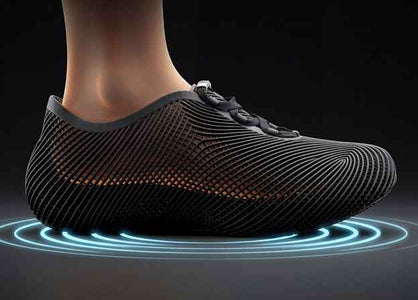
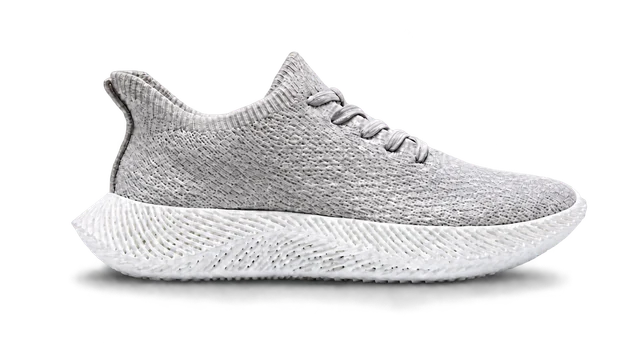
Most shoes are made by gluing layers of foam together, but not the Nexbie Aeroraise sneaker. It’s 3D printed with a lattice structure, and that’s actually where the arch support comes from rather than soft padding underneath your foot. That’s a big difference if you’re living with heel pain every day.
-
Arch support: Your arch collapsing can contribute to the strain that causes pain, as it stretches the irritated tissue beneath your foot. The printed arch doesn’t sink like regular foam; it stays firm under your foot and helps keep your foot in position, reducing strain with each step.
-
Cushioning: The heel is hollow and made from that same lattice, so it absorbs the impact of your heel landing, which tends to be the most painful part of each step. You still get a soft landing without the shoe feeling squishy underfoot.
-
High rebound energy: The material doesn’t just compress; it snaps back into shape as you push off your toes instead of remaining compressed. This means your foot and calf muscles don’t have to work as hard to push you forward. If you spend most of your day on your feet, that can mean less muscle fatigue by evening and less strain on the fascia.
-
One-piece build: No glue is needed because it’s printed as one solid piece. After a few months, regular foam shoes can develop saggy spots, and that’s when support can quietly start to disappear. This one is designed to hold its shape longer, so you can maintain more consistent support over time.

2. Hoka Bondi 9
The Bondi is highly recommended by podiatrists, especially for its thickness and rockered sole. That shape naturally rolls your foot forward as you walk, so less pressure is directly applied to your heel, where the pain is usually worst.
-
Rockered sole: Helps your foot roll through each step instead of putting all the impact directly on your heel.
-
Lots of cushioning: Absorbs a lot of shock, which is important if you’re walking or standing for long periods.
-
Wide base: Gives you stability so the shoe doesn’t feel wobbly underfoot with all that cushioning.

3. Brooks Adrenaline GTS 25
If you want some structure and not just softness, this one is better suited. It features a firm midsole and stability features to help control overpronation, which can worsen plantar fasciitis if left unchecked.
-
Firm midsole: Gives your foot a solid surface to push off instead of sinking in with each step.
-
Supportive heel counter: Helps prevent your heel from moving side to side during your walk.
-
Overpronation control: Helps control inward rolling of the foot, which can lead to additional stress on the fascia over time.
4. Asics GEL-Nimbus
This is often what people who are on their feet a lot, whether walking, standing at work, or running errands all day, opt for. It leans more toward cushioning, but there is enough shock absorption built in to hold up over long hours.
-
Soft, high-volume cushioning: Comfortable enough to wear all day without breaking down quickly.
-
Excellent shock absorption: Helps limit the buildup of pressure from hours of standing or walking.
-
Smooth ride: Feels consistent whether you’re walking short distances or covering a lot of ground.

5. Vionic Walk
Vionic has arch support and a heel cup built into the shoe, so you’re not stuck adding a separate insole just to get that support.
-
Built-in arch support: You won’t have to purchase orthotics separately because they’re built into the shoe.
-
Deep heel cup: Keeps your heel centered and stable with every step.
-
Shock-absorbing midsole: Cushions impact while walking on harder surfaces such as pavement or tile.
FAQs
Q: Which shoes are best for plantar fasciitis?
A: Look for shoes with solid arch support, a stable midsole, and good heel cushioning. Hoka, Brooks, and Asics are often recommended, while newer options like Aeroraise offer a different approach to built-in support.
Q: What shoes to avoid for plantar fasciitis?
A: Avoid flat shoes, worn-out trainers, and flip-flops or sandals that offer little arch support. Stiff dress shoes with little cushioning can also worsen heel pain over time.
Q: What shoes do doctors recommend for plantar fasciitis?
A: Podiatrists often recommend shoes like the Hoka Bondi, Brooks Adrenaline, and Asics GEL-Nimbus because they offer a combination of arch support, heel cushioning, and stability to help reduce strain on the plantar fascia.
Q: What brand of shoe is best for plantar fasciitis?
A: There isn’t a universal answer, as it depends on your foot type and how the pain affects you. Hoka, Brooks, Asics, and Vionic are often recommended, but newer brands like Nexbie are also worth considering.
Conclusion
Moving around every day can be uncomfortable with plantar fasciitis, but the right pair of shoes can really help take some of the pressure off. Look for good arch support, cushioning in the heel, and a shoe that maintains its structure over time instead of breaking down after a few months. Longtime favourites of podiatrists include the Hoka Bondi, Brooks Adrenaline, and Asics GEL-Nimbus, while the Aeroraise takes a different approach with its 3D-printed structure. No single shoe will cure plantar fasciitis, but a shoe designed to provide the right support can make a real difference in how your feet feel at the end of the day.