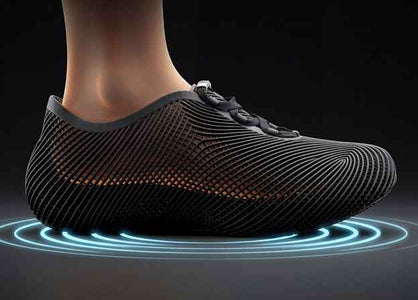


At first glance, both shoes look like they came from the same future. Each replaces conventional foam, stitched fabric, and layered construction with an open 3D-printed lattice. But once you compare support, fit, drainage, flexibility, and daily use, clear differences appear. This Nexbie Aeroraise vs Adidas Climacool 3D printed sneaker guide explains which model better suits active routines and which one fits fashion-led casual wear.
Nexbie Aeroraise vs Adidas Climacool 3D Printed Sneaker Comparison
|
Feature |
Nexbie Aeroraise |
Adidas Climacool |
|
Main use |
Walking, commuting, travel, and light outdoor use |
Casual urban wear and lifestyle styling |
|
Construction |
One-piece printed structure with elastic slip-on closure |
Seamless, fully 3D-printed slip-on structure |
|
Printing method |
HALS 3D Printing, DLP-based |
Additive manufacturing; exact process not publicly detailed |
|
Material |
ELASTO 1000 polyurethane-based elastomer |
Exact commercial material not publicly specified |
|
Fit guidance |
True to size; size up if between sizes |
Runs small; Adidas recommends sizing up |
|
Support |
3D lattice arch support and elastic impact cushioning |
Integrated arch support and heel pillows |
|
Airflow |
Open lattice with 360-degree ventilation |
Variable-density lattice with 360-degree airflow |
|
Wet-use design |
Quick drainage and water-resistant everyday use |
Water can move through the lattice |
|
Colours |
Orange, purple, green, and black |
Off-white, cargo-black, and grey-black options |
|
Strongest advantage |
Practical support and active versatility |
Minimalist style and seamless design |
Nexbie Aeroraise 3D Printed Sneakers

The Nexbie Aeroraise 3D Printed Sneakers are designed for days that involve more than one type of movement. From morning commutes and extended walks to travel, errands, and light outdoor activity, Aeroraise combines support, cushioning, and airflow in one practical everyday shoe.
Aeroraise 3D Printed Sneakers
$159.00$229.00
- Dynamic arch supports
- Soft landings with energy returns
- Airflow from every angle
- Easy to slip on and head out
- Open design that lets water drain

The 3D dynamic arch-support structure helps create a stable platform beneath the foot, which can be especially useful during long periods of walking or standing. Its impact-cushioning lattice compresses as you step and rebounds as the foot lifts, helping the shoe remain responsive through repeated movement.
A secure adaptive fit and elastic slip-on closure make the shoe easier to put on while helping it stay comfortably in place. The open lattice also allows air to move through the structure and gives water a clear path to drain, making Aeroraise suitable for warm weather, wet conditions, and routines where shoes need to dry quickly.
A slip-resistant outsole adds confidence across changing surfaces, while the one-piece construction helps the shoe maintain a clean, structured shape. Aeroraise is not designed as a technology showcase alone. It turns 3D printing into practical benefits for people who want supportive, breathable, and versatile 3D printed sneakers for everyday wear.
Adidas Climacool 3D Printed Sneaker

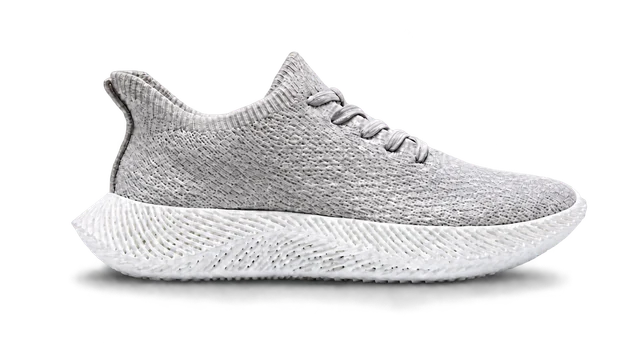
The original Adidas Climacool 3D printed sneaker is a seamless slip-on made entirely through additive manufacturing. Its lattice varies in density, creating a firmer base and a softer, more flexible upper.
Its main appeal is a clean, futuristic silhouette with 360-degree airflow, integrated heel pillows, and arch support. It is especially suited to casual city wear and buyers who want a recognizable streetwear design.
Key Differences Between Aeroraise and Adidas Climacool
The Nexbie Aeroraise vs Adidas Climacool 3D printed sneaker comparison becomes clearer when you look beyond their similar lattice appearance. Their construction, fit, support, drainage, and intended use create noticeably different everyday experiences.
Construction and Printing Technology
Both models move away from conventional cut-and-glue footwear, but they do not use the same disclosed process.
Aeroraise uses HALS 3D Printing, a DLP-based system developed for smooth, continuous photopolymerization. The upper, cushioning structure, and sole form a monolithic printed body, reducing reliance on stitched panels and glue lines.
Adidas describes Climacool as fully engineered through additive manufacturing. Its seamless lattice wraps around the foot, using varying densities to balance structure and flexibility. Adidas does not publicly specify the exact process or commercial polymer formulation for this model.
Aeroraise, therefore, gives buyers more information about its materials and manufacturing process, while Climacool focuses more on the design experience.
Fit and Ease of Entry
Fit is one of the clearest differences in this 3D printed sneaker comparison.
Aeroraise has an elastic slip-on closure that helps the shoe open for entry and provides a secure fit. Nexbie lists it as true to size and recommends sizing up only if you are between sizes.
Climacool uses a seamless slip-on opening without an adjustable closure. Adidas states that it runs small and recommends going half a size up. Its close fit may feel comfortable once on, but the snug opening can take more effort, particularly with socks.
Aeroraise offers a practical advantage for buyers seeking easier entry and clearer sizing guidance.
Cushioning and Arch Support

Lattice comfort depends on cell shape, wall thickness, density, and material hardness, not softness alone.
Aeroraise uses 3D dynamic arch support and elastic impact cushioning. Its structure is designed to distribute pressure, absorb repeated loads, and provide stability during walking or prolonged periods on your feet.
Climacool includes integrated arch support and heel pillows. Its variable-density lattice provides a responsive, close-to-foot feel for relaxed daily movement.
Both offer structure-led cushioning, but Aeroraise places greater emphasis on active support and impact management. Climacool feels more focused on seamless casual comfort.
Breathability and Temperature Control
This is one area where both shoes perform strongly.
Their open cells allow air to move through much more of the structure than in a typical sneaker with a mesh upper over closed foam. Both suit buyers are searching for breathable 3D printed sneakers.
Climacool’s 360-degree airflow is central to its identity. Aeroraise also provides all-around ventilation, but combines it with a more performance-oriented arch and outsole structure.
For warm urban use, either can work well. Aeroraise becomes the stronger all-around option when airflow must be combined with extended walking, commuting, and light outdoor use.
Drainage and Wet Conditions

Open lattice footwear gives water more paths to escape, but product positioning still matters.
Aeroraise is explicitly designed with quick drainage and water resistance in mind for everyday use. Its structure is useful for rain, damp surfaces, travel, and routines where footwear may need to be rinsed and dried quickly.
Water can also move through Climacool’s lattice. However, Adidas presents it mainly as a lifestyle sneaker, and its openings can allow grit or small debris to enter during beach or trail use.
For changing weather, frequent contact with water, or easier rinse-and-dry care, Aeroraise has the clear advantage.
Flexibility and Movement
Both shoes use lattice deformation to move with the foot, but their priorities differ.
Climacool uses a softer upper around a denser sole, giving it an adaptive feel for casual movement. Aeroraise combines flexible cells with zonal support and a more secure active-wear structure.
Neither should replace a specialist running shoe, hiking boot, or workplace safety shoe. For daily activity, Aeroraise offers a more versatile profile for walking and movement across different surfaces.
Durability and Shape Retention
Durability depends on repeated flexing, heel compression, material fatigue, outsole wear, and exposure to heat or moisture.
Aeroraise completed 150,000 whole-shoe flex cycles without structural damage. Its heel structure completed 100,000 compression cycles at 870 N without collapse, while the high-rebound polyurethane material exceeded 200,000 flex cycles in fatigue testing.
Adidas does not publish directly comparable whole-shoe flex or heel-compression figures for Climacool. That does not mean it is not durable. It means Aeroraise gives buyers more specific test data to assess.
This documented testing gives Aeroraise a stronger evidence-based position for long-term daily use.
Cleaning and Maintenance
Both shoes avoid many absorbent fabrics and foam layers, making them easier to rinse than conventional sneakers.
For Aeroraise, use cool water below 30°C and a soft cloth with mild detergent. Air-dry in the shade and avoid direct heat, hard scrubbing, dryers, or hair dryers. Let trapped grit dry before tapping it out.
Climacool can also be cleaned with water, but debris may settle inside the lattice openings. Both are relatively low-maintenance, although Aeroraise has clearer care guidance and an explicit quick-drain design.
Materials, Sustainability, and Style

Aeroraise uses ELASTO 1000, a polyurethane-based material with 53% bio-based content. Nexbie also uses precise digital material placement and on-demand production to reduce unnecessary material and excess inventory.
Adidas highlights reduced material use and simplicity, but does not publicly provide the exact polymer formulation or a directly comparable bio-based percentage.
Styling is subjective. Climacool has a minimal, sculptural look that works with neutral streetwear. Aeroraise looks more performance-oriented and offers brighter colors.
Adidas wins for understated brand-led fashion. Aeroraise provides a more visible personality and more technical details about its construction.
Which Shoe Works Better in Everyday Situations?
|
Situation |
Better choice |
Why |
|
Daily commuting |
Aeroraise |
More active support and a secure fit |
|
Extended walking |
Aeroraise |
Arch support and impact cushioning |
|
Hot-weather casual wear |
Either |
Both provide strong airflow |
|
Minimalist streetwear |
Climacool |
Cleaner, neutral fashion identity |
|
Rain and quick drainage |
Aeroraise |
Explicit quick-drain design |
|
Easier entry and sizing |
Aeroraise |
Elastic opening and clearer fit guidance |
|
Casual city wear |
Climacool |
Seamless, sculptural lifestyle design |
|
Documented structural testing |
Aeroraise |
Published flex and compression results |
|
Bright colour selection |
Aeroraise |
Wider, more expressive palette |
|
Adidas brand familiarity |
Climacool |
Established sportswear recognition |
Which 3D-Printed Sneaker Should You Choose?
Choose Aeroraise if you want 3D-printed sneakers for walking, commuting, travel, light outdoor use, or changing weather conditions. Its main advantages are arch support, impact cushioning, quick drainage, easier entry, broader color choice, and detailed durability testing.
Choose Climacool if you prioritize a seamless silhouette, Adidas brand familiarity, neutral streetwear styling, and breathable casual city wear.
Both show how far printed footwear has progressed. Still, Aeroraise is the more complete everyday option because it combines futuristic construction with a wider range of practical uses. Climacool is an appealing fashion-led sneaker, while Aeroraise feels more purpose-built for daily movement.
Frequently Asked Questions
Q: Can You Wear Either Shoe Without Socks?
A: Yes, but comfort varies. Both use ventilated lattice structures, and debris can pass through the openings. Start with short wear periods, especially in sandy conditions, and use socks if you experience rubbing.
Q: Which Shoe Is Easier to Put On?
A: Aeroraise is likely easier for more users because its elastic closure opens more readily. The Adidas Climacool 3D printed sneaker has a snug seamless opening, and Adidas recommends sizing up because the model runs small.
Q: Can These Shoes Be Used in the Rain?
A: Both allow water to move through their structures. Aeroraise is better suited to wet conditions because it is specifically designed for quick drainage and easier maintenance. Neither should be treated as a waterproof boot.
Q: Are Aeroraise and Climacool Running Shoes?
A: No. Both support walking and everyday movement, but neither is positioned as a specialist performance-running model. Choose purpose-built running shoes for structured training or high-mileage sessions.
Q: Which Shoe Is Easier to Clean?
A: Both can be rinsed, but lattice openings may collect grit. Aeroraise has clear, cool-water care guidance and a quick-drain structure. Avoid strong heat or aggressive tools when cleaning either model.
Conclusion
In the Nexbie Aeroraise vs Adidas Climacool 3D printed sneaker comparison, Adidas stands out for minimalist style, seamless construction, and brand familiarity. Aeroraise offers a broader practical package through arch support, cushioning, quick drainage, an easier fit, color variety, and documented durability testing. For fashion-first casual wear, Climacool is compelling. For more versatile everyday movement, Aeroraise is the stronger choice.