

Kids run, jump, sweat, spill, and wear their shoes almost everywhere. That is why choosing non toxic shoes for kids is not only about avoiding harsh materials. It is also about choosing footwear that feels comfortable, stays breathable, grips well, and cleans easily after daily play. This guide explains what parents should check before buying kids’ shoes and why Nexbie Guardian Orbit is designed around safer, skin-friendly everyday comfort.
What Makes a Shoe Non-Toxic?
A shoe should not be called safer just because it looks soft or natural. The material, smell, construction, surface feel, and testing information all matter.
In kids’ footwear, “non-toxic” should mean the shoe is made with skin-friendly materials, avoids unnecessary harsh components, has low odour, and is supported by clear material screening or compliance information.
It should not mean “chemical-free.” Every material has chemistry. The better question is whether the material is suitable for children’s daily wear.
Parents can also look at recognised safety expectations. The U.S. Consumer Product Safety Commission explains that children’s products are subject to children’s product safety rules. This is why clear classification, testing, and compliance information matter when buying products made for children.
Here is a simple checklist:
|
What to check |
Why it matters |
|
Skin-friendly surface |
Helps reduce rough contact against young skin |
|
Low odour |
Avoids strong plastic-like smells |
|
Clear material information |
Helps parents understand what the shoe is made from |
|
EVA/PVC-free design |
Reduces reliance on common foam and plastic materials |
|
Breathable structure |
Helps manage heat and moisture |
|
Flexible cushioning |
Supports walking, running, and jumping |
|
Washable construction |
Makes cleaning easier after mud, sweat, and spills |
|
Grip and stability |
Helps kids move with more confidence |
The safest choice is usually not the shoe with the most claims. It is the shoe that clearly explains its material, comfort, grip, and care features.
Harmful Materials to Avoid in Children’s Shoes
Parents do not need to become material scientists before buying shoes. But it helps to know which materials and warning signs deserve extra attention.
The biggest concern is not one material name by itself. It is poor-quality material, unclear sourcing, strong chemical smell, and missing safety information.
Low-Quality EVA Foam
EVA is common in footwear because it is light, soft, and flexible. Many EVA products are used safely. The concern is that product quality can vary a lot, especially in very low-cost foam shoes or slippers.
Some EVA foam products may involve blowing agents during production. If the process is not well controlled, unwanted substances such as formamide may become a concern. Residual vinyl acetate monomer may also remain when polymerisation is incomplete.
Parents do not need to panic about every EVA shoe. But they should be careful with shoes that smell harsh, feel poorly finished, or give no clear material details.
PVC and Strong Plastic Smells
PVC is naturally hard, so it often needs plasticizers to become soft enough for slippers or flexible shoes. In low-quality PVC footwear, these plasticizers may be overused or poorly controlled.
Parents should be cautious with kids’ shoes that smell like burnt plastic, feel sticky, or use unclear recycled material. Low-quality recycled plastics may also contain unwanted substances such as heavy metals.
Phthalates, Heavy Metals, and VOCs
Some low-quality materials, coatings, pigments, or recycled components may contain substances parents want to avoid. These may include phthalates, heavy metals, residual solvents, or volatile organic compounds.
A simple rule helps: if a new shoe smells very strongly, feels oily or sticky, or gives no clear material information, choose another option.
What to Choose Instead
Look for shoes with skin-friendly surfaces, low odour, breathable construction, clear material details, and easy cleaning. For children, the shoe should also be flexible enough for daily movement and smooth enough to reduce rubbing.
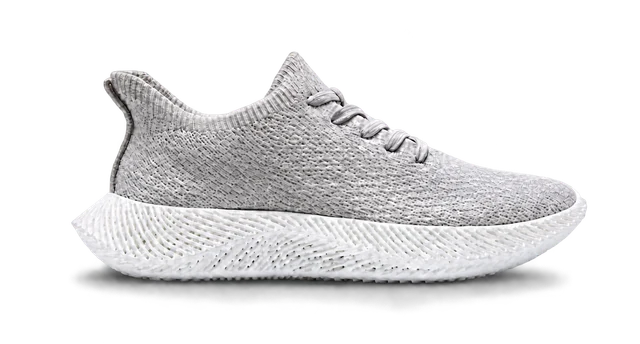
A well-made 3D printed shoe can offer a different approach. Instead of relying on thick foam layers or heavily plasticized materials, it can use an engineered elastic material and open lattice structure to create cushioning, airflow, drainage, and flexibility through design.
How to Choose Safe Shoes for Growing Feet
Children need shoes that can keep up with constant movement. They walk, run, jump, climb, stop suddenly, and change direction all day. Their shoes should not feel stiff, heavy, slippery, or restrictive.
Choose Breathability
Kids’ feet can get warm quickly at school, on the playground, while travelling, or during weekend activities. Many shoes use mesh panels, but foam, lining, and inner layers may still trap heat.
Breathable shoes allow heat and moisture to move out more easily. This is useful for warm weather, sweaty feet, and active play.
For water play or beach use, non toxic beach shoes for kids should also dry quickly. A shoe that holds water can feel heavy and uncomfortable.
Check Cushioning and Flexibility

A good kids’ shoe should soften repeated steps without feeling bulky. It should bend with the foot and support everyday movement.
Some parents look for non-toxic barefoot shoes for kids because they want a more flexible and natural feel. That can be useful, but barefoot-style shoes are not right for every child or every activity. The best choice depends on comfort, fit, surface, and how the child will use the shoe.
Look for Grip and Stability
Grip matters because kids rarely walk carefully. They run across playgrounds, step on wet floors, climb, jump, and stop without thinking about traction.
A reliable anti-slip outsole can help the shoe feel steadier on changing surfaces. A wider base can also help children feel more balanced during active play.
Make Cleaning Easy

Parents know how quickly kids’ shoes get dirty. Mud, sweat, spills, sand, and playground dust are part of normal life.
Washable or rinse-friendly shoes make daily care easier. They also help shoes feel fresher after outdoor play, rainy walks, or beach days.
Why Nexbie Is a Safer Choice for Kids
Nexbie designs footwear around 3D printed comfort, breathability, and practical everyday use. Our Guardian Orbit 3D Printed Kids Shoes are built for children who need comfort, airflow, grip, and easy care in one pair.
Our shoes are not just a smaller version of an adult sneaker. It is designed around how kids actually use shoes: running, jumping, sweating, getting dirty, stepping on wet surfaces, and wearing the same pair for long parts of the day.

How Nexbie Kids’ Shoes Are Different From Traditional Shoes
Traditional kids’ shoes often use layers of foam, fabric, lining, rubber, stitching, glue, and padding. These layers can work well, but they can also trap heat, hold moisture, crease, absorb dirt, or become harder to clean.
Nexbie uses a 3D printed open-lattice structure. This allows the shoe to create airflow, cushioning, drainage, and flexibility through the shape of the material itself.
That is the key difference. Instead of adding many separate layers, non toxic water shoes for kids like Guardian Orbit use one integrated structure designed around children’s movement.
Skin-Friendly, Zero-Chafe Comfort
This shoe uses ELASTO 1000, a skin-friendly elastic material designed to feel smooth against the foot. The goal is to reduce rough contact and help children stay comfortable during long periods of wear.
We describe the material as skin-friendly, not medical-grade. Medical-grade claims require separate medical-device standards, and footwear should not promise medical outcomes. For parents, the practical benefit is simple: the shoe is designed to feel smoother, lower-odour, and more comfortable for daily contact.
Cushioned Support for Active Play

Guardian Orbit includes a cushioned support system that helps soften impact during walking, jumping, and running. The shoe is flexible, but it is not flat or flimsy.
It also uses zoned support. The heel, arch, and forefoot do not move in the same way, so the shoe should not treat the whole foot like one flat surface. Flexible and stable zones help the shoe feel more responsive during everyday play.
Machine-Washable Daily Convenience
Parents need shoes that can survive real life. Our shoe is machine washable, so mud, dirt, sweat, and daily mess are easier to manage.
That matters because safe kids’ shoes should not only feel good on day one. They should also be easy to keep clean after repeated use.
Common Mistakes Parents Make When Buying Kids’ Shoes
Even careful parents can choose the wrong pair if they focus on only one feature. Here are common mistakes to avoid.
Choosing Shoes Only Because They Feel Soft
Soft does not always mean supportive or safe. A shoe can feel soft but still trap heat, smell strongly, or lack grip. Look for balance: softness, flexibility, stability, and breathability.
Ignoring Strong Odours
A strong plastic or chemical smell is a warning sign. It may come from residual solvents, coatings, plasticizers, or low-quality materials. If the smell is harsh and does not fade, choose a different pair.
Buying Shoes With No Material Details
If a brand does not explain what the shoe is made from, parents have less information to judge safety and comfort. Clear material details are important.
Forgetting About Cleaning
Kids’ shoes get dirty fast. If the shoe is hard to clean or holds moisture, it may become uncomfortable or smelly. Washable or quick-dry shoes are often more practical.
Choosing Poor Grip
Smooth soles can be risky for active children. Look for anti-slip grip, especially if the shoes will be used on playgrounds, wet floors, beach paths, or outdoor surfaces.
Buying the Wrong Fit
A shoe that is too tight can rub. A shoe that is too loose can slide during movement. Check the fit, allow enough room for toes, and replace shoes when they become too small or worn out.
Frequently Asked Questions
Q: Are non-toxic shoes better for growing feet?
A: Non-toxic shoes can be better when they combine skin-friendly materials, flexible comfort, breathability, grip, and a proper fit. The material alone is not enough. Growing feet also need shoes that feel comfortable, move naturally, and support daily play.
Q: Are sustainable shoes always non-toxic?
A: No. Sustainable shoes are not automatically non-toxic. A shoe can use eco-friendly materials but still feel rough, smell strongly, or lack clear safety information. Parents should check material details, odour, comfort, fit, and compliance claims before buying.
Q: How often should I replace my child’s shoes?
A: Replace children’s shoes when they become too small, lose grip, show worn soles, feel less supportive, or cause rubbing. Many children need new shoes every few months during growth periods, but the timing depends on age, activity level, and wear.
Q: Are 3D printed shoes safe for kids?
A: They can be safe when the material is skin-friendly, properly cured, low odour, flexible, and supported by clear testing or compliance information. Nexbie Guardian Orbit is designed with 3D printed airflow, cushioned support, anti-slip grip, and machine-washable convenience for active kids.
Conclusion
Choosing the best non toxic shoes for kids means looking beyond one label. Parents should check the material, smell, fit, breathability, grip, flexibility, and cleaning needs.
The best kids’ shoes should not force parents to choose between comfort, safety, and practicality. They should bring those needs together.
Nexbie Guardian Orbit is designed for that balance. With skin-friendly material, 360° airflow, cushioned support, zoned comfort, anti-slip grip, and machine-washable care, it gives active children a cleaner, more breathable, and more practical way to move through everyday play.