

You can’t throw all shoes in a washing machine. Mesh or fabric uppers may look easy to clean, but water and agitation can affect the sole, adhesives, cushioning, and other parts of the shoe. So before you wash a pair, check the care instructions for that exact model.
Once you know a pair is machine washable, cleaning it is fairly simple. The right cycle, detergent, and drying method can remove dirt without putting unnecessary stress on the materials.

What Are Machine Washable Shoes?
Machine washable shoes are shoes that the manufacturer has approved to be washed in a washing machine. They are often made from materials such as mesh, knit fabric, canvas, or certain synthetic textiles that can handle water and a gentle wash cycle.
How Do I Know If My Shoes Are Machine Washable?
First, read the manufacturer's instructions. If the care label, product page, or packaging says “machine washable,” you’re good to go. If there are no instructions, check the shoe for clues, but don’t rely on its appearance alone.
Here are a few things to look out for:
- Upper: Mesh, knit, canvas, and some synthetic fabrics are generally easier to wash than suede, nubuck, and leather.
- Sole: Check that the sole is firmly attached and look for any manufacturer restrictions on soaking or washing.
- Construction: Shoes made from several separate glued layers may need more careful cleaning than a one-piece or simpler construction.
- Details: Light-up parts, batteries, metal embellishments, delicate coatings, and other non-washable components can rule out machine washing.
- Insoles: Check whether the insoles are removable and whether they have separate care instructions.
- Exact model: This matters more than the brand name. A company can sell both machine-washable shoes and shoes that must be hand washed.
If you don't see clear instructions, hand washing is the safer option.
What Shoes Can Be Machine Washed?
Several types of footwear can be machine washed, but the specific model needs to be approved for it.
3D-Printed Shoes
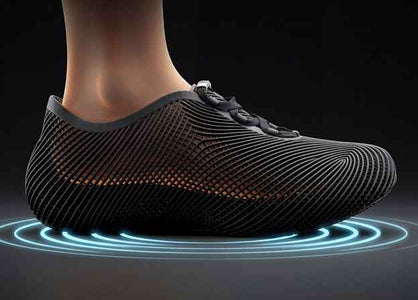
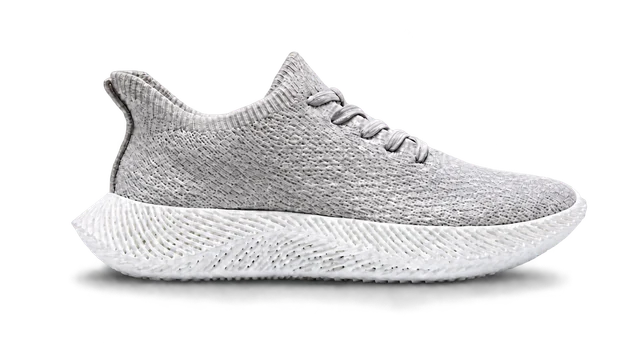
Some advanced 3D-printed shoes are designed for frequent washing and easy maintenance. Here’s what makes the Nexbie Aeroraise 3D Printed Sneakers unique in this aspect:
- Glue-Free Integrated Structure: Traditional shoes degrade in a washing machine because the water, detergent and mechanical agitation will break down the chemical glues that hold the uppers, insoles and outsoles together. The Aeroraise is produced as a seamless, fully integrated unit, using a HALS 3D-printing process, without any adhesives or bonded seams. That means the sole or parts of it won't split at the seams, and the shoe will keep its shape after repeated washings.
- Open Lattice Drainage & Odour Prevention: Unlike conventional shoes that use thick foam padding that soaks up water like a sponge, the Aeroraise has a fully open lattice framework made of non-porous ELASTO-1000 elastomeric material. And when you wash them, the water runs right out, not trapped inside. This rapid evaporation prevents moisture buildup and prevents bacteria and bad odours from developing inside the shoe.
-
All-Day Zoned Comfort: Alongside its washable build, Aeroraise has targeted 3D-printed lattice arch support, and high-rebound cushioning to protect joints, making it ideal for daily wear and active shifts.

Canvas Sneakers
Canvas is easy to clean with water, but that doesn’t mean a canvas sneaker is automatically machine washable. Some canvas shoes can handle a gentle wash, while others are better cleaned by hand because of their construction, dyes, or adhesives.
For instance, Skechers recommends washing its fabric, mesh, and canvas shoes by hand unless the shoe is specifically marked as machine washable.
Mesh Sneakers
Mesh sneakers are usually easier to clean than leather or suede. The upper can handle water and tends to dry relatively quickly. But the mesh is only one part of the shoe. The midsole, outsole, adhesives, and internal cushioning also need to withstand the washing process.
Some Skechers mesh styles are specifically machine washable, while HOKA recommends hand cleaning its footwear.
Rubber and Plastic Shoes
Rubber and moulded plastic generally handle water well, so many simple rubber or plastic shoes can be washed or rinsed. The washing machine is another matter. Shoes with embellishments, glued sections, foam components, or mixed materials may not be suitable for machine washing.
Water resistant does not mean washer safe, so follow the manufacturer's instructions for these shoes.
How to Wash Shoes in the Washing Machine
Once you’ve confirmed that your shoes are machine washable, preparation is important.
- Remove loose dirt. Brush off mud, sand, and grit before washing. This keeps abrasive dirt out of the machine and stops it from being worked further into the shoe.
- Remove the laces. Wash them separately so you can clean around the eyelets properly.
- Remove the insoles if you can. Check their care instructions and allow them to dry separately.
- Put the shoes in a mesh laundry bag. This limits how much the shoes hit the drum during the cycle.
- Add a pair of old towels. They cushion the shoes and help balance the load.
- Wash in cold water on a gentle cycle. Shoes should not be subjected to hot water or vigorous agitation.
- Use a mild liquid detergent. Do not use bleach or fabric softener unless the manufacturer recommends them.
- Remove the shoes as soon as the cycle ends. Don't leave them sitting wet in the machine.
-
Let them air dry completely. Keep them somewhere well ventilated and away from direct heat.

How to Care for Machine Washable Shoes
Even machine washable shoes don't need to be washed after every muddy walk. Regular light cleaning is gentler on the materials and is usually enough to deal with everyday dirt.
- Regularly brush off surface dirt. A soft brush can remove dust and dried mud without a full wash.
- Wash only as needed. Save the washing machine for deeper cleaning.
- Do not wear wet shoes. Moisture trapped inside can lead to unpleasant smells.
- Remove insoles when drying. This helps the inside dry faster.
- Use a fan if you want them to dry faster. Moving air is much safer than applying direct heat.
- Never put shoes near radiators or heaters. High temperatures can affect synthetic materials, cushioning, and adhesives.
- Do not store wet shoes. Let them dry completely before putting them in a closet, gym bag, or enclosed container.
- Inspect the shoe after washing. If you notice separation, distortion, or changes in the cushioning, switch to hand cleaning.
FAQs
Q: Are Hoka shoes machine washable?
A: HOKA recommends hand washing its shoes rather than putting them in a washing machine. It suggests washing them with cool water and mild soap or detergent and advises against machine washing and drying because these processes can damage the shoes.
Q: How do I know if my shoes are machine washable?
A: Check the care label, product page, or original packaging for the exact model. Look for a machine-washable symbol or specific instructions. If the manufacturer does not allow machine washing, hand washing is the better choice.
Q: What is the best way to wash shoes?
A: For approved machine-washable shoes, use cold water, a gentle cycle, mild detergent, a laundry bag, and air dry. Shoes that don't have instructions for machine washing should typically be cleaned by hand.
Q: How to wash shoes in the washer without ruining them?
A: First, remove loose dirt, laces, and removable insoles. Put the shoes in a laundry bag and wash them on a gentle cycle with cold water and mild detergent. Do not dry them in a machine unless the manufacturer specifically approves it.
Q: What is the quickest way to dry shoes?
A: Take the insoles and laces out, open the shoes as much as possible, blot away excess water, and put them somewhere with good airflow. A fan can help speed up drying without exposing the shoes to direct heat.
Conclusion
Before washing any shoes, check the instructions for the exact model. Some 3D-printed shoes and styles made from mesh, canvas, rubber, and plastic can be machine washable, but whether a shoe can handle a washing machine ultimately depends on its construction.
If your shoes are machine washable, stick to cold water, a gentle cycle, mild detergent, and air drying. If there is no clear approval, hand washing is the safer option.