

Standing all day is harder on your body than walking or running, which sounds backward until you think about it. When you walk, forward momentum helps distribute impact with each step. Standing doesn't. Your joints take the same strain in the same place, hour after hour, whether you're behind a register, on a hospital floor, or working a kitchen line.
That's why the right shoe matters more than most people realise. Here are the best shoes for standing all day, each explained by what it actually does mechanically, not just how it's marketed, plus how to pick the right one for your own feet.
The 5 Best Shoes for Standing All Day
Below are five of the best shoes for standing all day, each centred around a specific mechanism worth understanding before you buy.
Nexbie Aeroraise
Best for: all-day comfort, high-rebound cushioning, and constant airflow if you’re on your feet all day.
The Aeroraise is designed to address the fundamental physical issues of standing for hours on hard surfaces. Three design advantages give it superior standing performance:
-
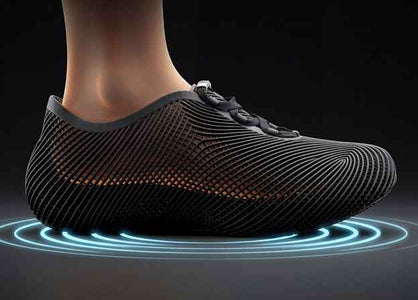
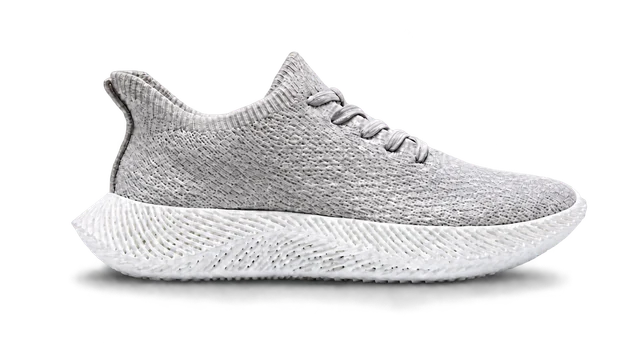
Arch Support to Minimise Pressure and Fatigue: The shoe features a unique 3D printed lattice structure with targeted, zoned lattice densities across the footbed. Firmer lattice zones under the midfoot provide continuous arch lift that distributes your body weight evenly, relieving pressure on your heels and preventing foot fatigue during longer shifts.
-
Cushioning & Rebound for Impact Protection: The elastomeric lattice midsole is an active suspension system, absorbing more than half of the impact force with every step and standing shift. High-energy elastic rebound instantly bounces back instead of packing down flat like traditional EVA foam, taking stress off your knees, ankles and lower back.
-
360° All-Day Breathability: Long days on your feet can cause your feet to heat up and swell. The Aeroraise has a completely open, glue-free lattice upper and sole that allows air to flow freely around your entire foot, keeping your feet cool, dry and comfortable without feeling hot or stuffy.

Key specs: Elastic slip-on · ELASTO 1000 lattice · HALS 3D printing (DLP-based) ·
Pros: consistent support that doesn't compress under a shift · breathable, quick-drying · much lighter than foam-cushioned shoes
Cons: occasional heel slip · not for serious running mileage
HOKA Bondi 9
Best for: maximum cushioning on hard, unforgiving floors like concrete one of the best shoes to stand on concrete all day.

The sole has a gentle curve built into it that rolls your foot forward with each step instead of making your calf and ankle do all that work. Its helpful if you're not just standing still but crossing the same stretch of floor dozens of times a shift. The heel area is a cup of firmer foam that keeps your foot centered so the shoe doesn't feel wobbly despite the thick sole. The foam itself is a newer, more responsive type than older HOKA models used, which is why it doesn't feel as heavy as its size suggests. The tradeoff: standard width runs narrow, so wider feet will want the wide version.
Key specs: 43mm/38mm stack · 5mm drop · ~10.5oz
Pros: maximum shock absorption · stable despite the tall stack · APMA-certified
Cons: narrow standard toe box · less nimble feel than low-stack shoes
Brooks Ghost Max 3
Best for: a versatile standing shoe with a smooth, natural stride.
During manufacturing, Brooks infuses nitrogen gas into the midsole more air pockets means the foam can be this soft without the added weight. The sole is also shaped to help your foot glide from heel to toe, so repeated crossings over a floor feel like being pushed forward rather than grinding through each stride manually. It's a wide, stable shoe that suits neutral arches well, but it won't give the same correction for overpronation that a dedicated stability shoe would.

Key specs: wide stability base · nitrogen-infused midsole
Pros: light for a high stack · rocker eases repetitive heel-to-toe motion · wide, stable base
Cons: not designed for overpronation control · pricier than the standard Ghost
ASICS Gel-Kayano 33
Best for: stability, plantar fasciitis, or overpronation.
Unlike the rigid plastic post found in older stability shoes, this one uses a firmer section of foam under the arch that resists your foot rolling inward without blocking the motion entirely — it guides rather than locks. Lab testing found it takes about 38% more force to twist this shoe out of shape than an average shoe, and the heel base is noticeably wide. Both add up to less wobble by the last hour of a long shift, which is exactly when your form starts to break down. The tradeoff: it runs heavier than average.

Key specs: 132 SA shock absorption (heel) · torsional resistance 38% above average · ~10.5oz
Pros: good stability for overpronators · strong shock absorption · reliable support as fatigue sets in
Cons: heavier than average · less agile for people who move often
On Cloudsurfer Max
Best for: hot climates where you need both cushioning and breathability.
The sole isn't one solid block of foam it's split into individual pods that compress sequentially as your foot rolls forward, like stepping across a row of small cushions instead of one long one. That's what makes the heel-to-toe transition feel smooth rather than jarring. The mesh upper is very breathable, which matters in hot kitchens or retail floors with little airflow, and there's extra room built in for feet that swell after hours of standing. It doesn't feel as secure as a dedicated stability shoe, so it suits people without overpronation issues better.

Key specs: engineered mesh upper · roomy, swelling-friendly fit
Pros: excellent breathability · smooth heel-to-toe transitions · accommodates foot swelling
Cons: less structured than stability-focused shoes · not ideal for overpronators
FAQs
Q: What shoes do podiatrists recommend for standing all day?
A: Podiatrists typically look for a broad, stable base and cushioning that's proven able to withstand repeated shock over time, often marked by a certification like the APMA Seal of Acceptance. The HOKA Bondi 9 is one example that carries that seal.
Q: Which shoes are recommended to reduce the fatigue from standing all day?
A: Look for a shoe with strong shock absorption — some brands publish lab-tested numbers comparing it to an average shoe. You want enough cushioning depth to absorb impact before it reaches your joints directly.
Q: What are the best shoes for standing all day?
A: The answer depends more on your floor and environment than any single "best" pick. On concrete, prioritize cushioned depth. On wet or oily floors, make sure the sole is certified slip-resistant. In snug, warm spaces, prioritize airflow. Match the feature to your actual environment first.
Q: What are the best shoes for standing all day with plantar fasciitis?
A: Look for firm, structured arch support – not just a soft footbed plus a feature that keeps your foot from rolling inward, since that motion usually irritates plantar fasciitis. The ASICS Gel-Kayano is a commonly cited example built this way.
Conclusion
There is no single best shoe for standing all day. The right one depends on your floor, your environment, and your actual foot needs. On concrete, prioritize cushioning. On wet tile, prioritize traction. If your feet get sore around hour six, prioritize room and breathability. If you want lightweight, supportive comfort without the bulk of a heavily padded trainer, the Aeroraise is worth checking out. Whatever you choose, match the shoe to the floor you're standing on, not just the name on the box.