

Feet often start hurting after the same routine repeats day after day: standing on a hard floor, walking several miles, or wearing a shoe that presses in the wrong place. The best shoes for foot pain are not always the ones with the thickest soles. A good fit may matter more than extra foam.
In this guide, we look at five of the best sneakers for foot pain and compare them on cushioning, support, fit, width options, construction, and everyday usability. Whether you need shoes for long walks, work, exercise, or daily wear, this comparison can help you make a more informed choice based on how and where your feet hurt.
Part 1: What Makes a Shoe Good for Foot Pain?
Start with the problem you are trying to fix. Someone who spends a workday on concrete may notice the midsole first. Someone whose toes feel crowded may need a wider front, even if the shoe itself is not heavily cushioned. Heel hold and ventilation matter too, especially for shoes worn for several hours at a time.
The American Podiatric Medical Association also recommends considering your foot type and activity when choosing footwear rather than selecting a shoe based only on appearance or brand.
Part 2: The 5 Best Shoes for Foot Pain
The five best shoes for foot pain below take different approaches to comfort. Some focus on cushioning, while others offer more structure, wider fits, or better airflow.
Comparison at a glance
|
Shoe |
Cushioning |
Support |
Width Options |
Best For |
|
Nexbie Aeroraise |
Adaptive 3D lattice, ELASTO 1000 |
3D Dynamic Arch Support |
Standard |
Everyday walking, long days on your feet |
|
HOKA Bondi 9 |
Super-critically foamed EVA, high stack |
Neutral, MetaRocker geometry |
Standard, wide |
All-day walking, road running |
|
Brooks Adrenaline GTS 25 |
DNA LOFT v3, nitrogen-infused |
GuideRails stability system |
Standard, wide, extra-wide |
Runners and walkers who want structure |
|
New Balance Fresh Foam X 1080v14 |
Fresh Foam X, extra-soft |
Neutral |
Standard, wide, extra-wide |
Everyday running, all-day wear |
|
ASICS GEL-NIMBUS 27 |
FF BLAST PLUS ECO + PureGEL |
Neutral |
Standard; wide in selected versions |
Long runs, easy days on your feet |
#1 Nexbie——Aeroraise 3D Printed Sneakers

What it is
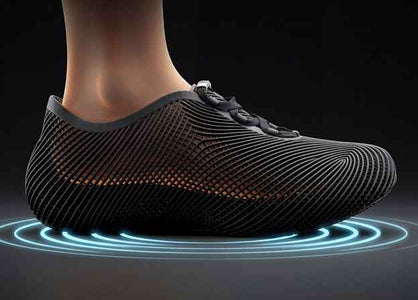
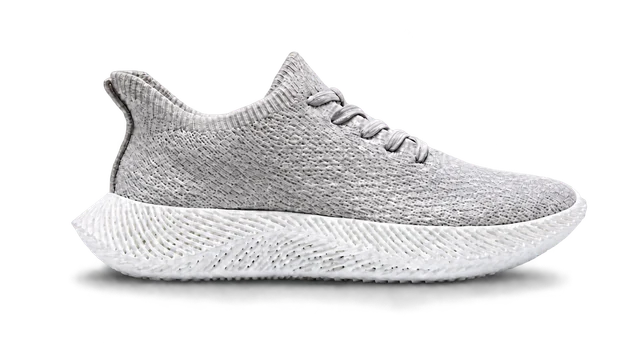
The Aeroraise 3D printed sneaker does not have the usual fabric upper sitting over a separate foam midsole. Nexbie prints the two as one structure, with an open lattice that bends under the foot as you walk. That leaves the shoe feeling more ventilated and less like a conventional trainer.
The Aeroraise is a 3D printed sneaker that combines the upper and midsole into one open lattice structure. Its zoned lattice uses different densities in different areas, allowing the shoe to flex with the foot while adding support where pressure is higher.
Construction and key features
-
Zoned 3D lattice structure: Different lattice densities create a balance between flexibility and support. Softer sections can move with the foot, while denser sections help support areas that receive more pressure during walking.
-
Built-in arch support: The 3D Dynamic Arch Support is part of the lattice rather than a separate insert. It is designed to support the arch during long periods of standing and walking, when tired feet may need more structure.
-
Elastic cushioning and rebound: The lattice compresses when the foot lands and rebounds as the foot moves forward. This is intended to soften repeated impact and reduce the harsh feeling that can come from walking on hard floors.
Best for
The Aeroraise is one of the best sneakers for foot pain caused by long hours of walking or standing. Its denser lattice sections are designed to support the arch and pressure areas, while the more flexible sections move with the foot. The rebound structure also helps soften repeated impact, which may be useful on hard floors.
This combination of zoned support, arch support, and cushioning makes the shoe worth considering for people with sore feet or tired feet after a long day. The open lattice is another advantage if heat and sweat add to the discomfort. However, shoppers who prefer the deep, soft feel of a traditional foam shoe may need some time to adjust.
#2 HOKA——Bondi 9

What it is
Bondi 9 puts a lot of foam between your foot and the ground. The tall midsole gives it a soft, protected feel on roads and hard floors, which is why it appeals to walkers as much as runners.
Construction and key features
-
Super-critically foamed EVA midsole with an increased stack height compared with the previous version.
-
MetaRocker geometry to smooth transitions from heel to toe.
-
Active Foot Frame at the rearfoot that cradles the heel.
-
Engineered mesh upper for breathability and a secure midfoot hold.
-
Durabrasion rubber outsole in high-wear zones.
-
Molded EVA sockliner for added step-in comfort.
Best for
For people looking for comfortable shoes for foot pain on hard floors, the Bondi 9 offers a soft and highly cushioned ride. Its tall midsole can make long walks, errands, and extended periods of standing feel more comfortable. The trade-off is the shoe's height and weight. It may feel bulky to people who prefer a low, flexible sneaker.
#3 Brooks——Adrenaline GTS 25

What it is
The Adrenaline GTS 25 is the structured shoe in this comparison. It is made for road running and walking, with GuideRails support for people who want more control than a neutral shoe usually provides.
Construction and key features
-
GuideRails support technology that keeps excess movement in check while keeping a natural stride.
-
Nitrogen-infused DNA LOFT v3 cushioning for a soft, dynamic ride.
-
Engineered mesh upper for breathability and structured support.
-
Multiple width options, including wide and extra-wide, for shoppers who need more forefoot room.
-
Structured stability profile, which distinguishes it from neutral cushioned models.
Best for
The Adrenaline GTS 25 is one of the best shoes for sore feet when the main problem is a lack of stability or excess foot movement. Its GuideRails system adds structure without making the shoe feel completely rigid. The wide and extra-wide versions are also useful for people who need more room around the forefoot.
#4 New Balance——Fresh Foam X 1080v14

What it is
New Balance offers the 1080v14 in several widths, which makes it easier to find a fit for different foot shapes. The Fresh Foam X midsole gives the shoe a soft, flexible feel for walking, easy runs, travel, and everyday wear.
Construction and key features
-
Fresh Foam X midsole, positioned by the brand as extra-soft for everyday cushioning.
-
Triple jacquard mesh upper engineered for breathability and a soft wrap around the foot.
-
Rocker profile for smoother heel-to-toe transitions.
-
Multiple width options, including standard, wide, and extra-wide versions.
-
Versatile design for running, walking, travel, and general everyday wear.
Best for
Among the best shoes for hurting feet, the 1080v14 is especially useful when fit is difficult to get right. It comes in standard, wide, and extra-wide versions, giving shoppers more room to match different foot shapes. The soft Fresh Foam X midsole also makes it suitable for walking, travel, easy runs, and long days on your feet.
#5 ASICS——GEL-NIMBUS 27

What it is
GEL-NIMBUS 27 is ASICS' maximum-cushioning neutral shoe. It is made for road running and easy long runs, with a soft platform for people who do not want the guided feel of a stability model.
Construction and key features
-
FF BLAST PLUS ECO cushioning (with bio-based content) paired with PureGEL technology for softer landings.
-
Engineered jacquard mesh upper for foot wrap and ventilation.
-
Maximum-stack cushioning with a neutral support profile.
-
Wider fit options in selected versions for shoppers who need extra forefoot room.
-
Sustainability angle through the bio-based midsole material.
Best for
If you are comparing the best shoes for toe pain, check the toe-box shape and available widths instead of looking only at cushioning. The GEL-NIMBUS 27 suits runners and walkers who want a soft neutral ride, but a cushioned heel cannot fix a front area that feels too tight. Make sure your toes can move comfortably before choosing this model.
Part 3: How to Choose the Best Shoes for Foot Pain
The product list gives you a starting point, but the best shoes for foot pain still need to match your feet and your routine. Use the points below to narrow the choices based on where you feel discomfort and how you spend most of the day.
1. Consider Where You Feel Discomfort
The location of the discomfort is a useful starting point. Heel soreness often makes cushioning more noticeable. Pressure around the toes may mean the front of the shoe is too narrow. For general tiredness after work, look for a fit that feels stable without being stiff.
2. Check Cushioning and Support
Cushioning can make long periods of walking or standing easier, but softness is not the whole story. If you need more stability, choose support that matches your foot rather than relying on foam alone.
The American Podiatric Medical Association notes that people with low arches may benefit from stability shoes, while people with high arches may need more cushioning and flexibility.
3. Pay Attention to Fit
Do not rely on the number printed inside the shoe. Sizing varies between brands, so try on both shoes and walk around before deciding.
When checking the fit, make sure:
-
Your toes have enough room to move.
-
Your heel feels secure.
-
Nothing presses against your foot.
-
The shoe feels comfortable when you walk.
4. Match the Shoe to Your Activity
The best shoes for foot pain also depend on how you spend your day. A running shoe may suit exercise, while a walking shoe may feel better during a long shift on hard floors. Think about the activity that takes up most of your day before choosing between them.
Frequently Asked Questions
Q1: What is the best shoe to wear for foot pain?
No single shoe works for every type of foot pain. Start by checking whether the shoe gives you enough room in front and enough support around the heel and arch. Then walk in it for a few minutes. Comfort while standing in a store does not always hold up after a longer walk.
Q2: What are the best orthopedic shoes for foot pain?
Orthopedic shoes can offer extra support and cushioning, but they’re not necessary for everyone. Focus on a good fit and choose features that suit your feet. If you need custom support, a podiatrist can help.
Q3: What brand of shoes do foot doctors recommend?
There isn’t one brand that works for everyone. A podiatrist may recommend different shoes based on your feet and daily activities. Instead of focusing on the brand, pay attention to the fit, support, and comfort.
Conclusion
Finding the best shoes for foot pain doesn't have to mean choosing the most cushioned pair on the shelf. HOKA is a strong choice if you want a softer ride; Brooks offers more structured support; and New Balance and ASICS provide plenty of cushioning for everyday movement. Nexbie takes a different route with its 3D-printed Aeroraise, designed with comfort and breathability in mind. The best choice comes down to your feet, your routine, and what feels good when you move.