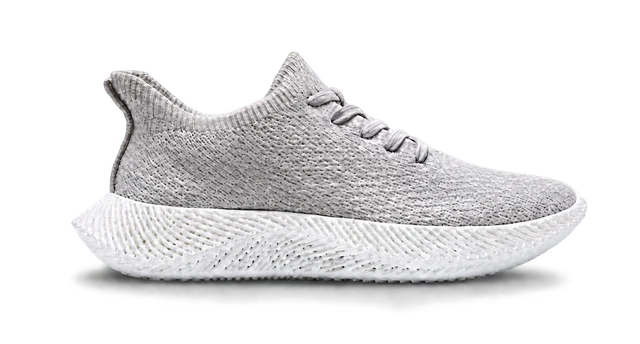


3D printed footwear has entered the mainstream market. From sneakers to slippers, you can find a range of 3D printed footwear on the shelves. These shoes differ from traditional shoes in construction, which influences the cushioning, breathability, and overall comfort. If you are browsing for 3D printed slippers, you might have come across two prominent choices: Aerocloud vs ASICS 3D printed slides. In this article, we will explain how these slippers differ in construction, materials, and key features of each product.
A Quick Comparison
Here’s a quick overview of Aerocloud vs ASICS 3D printed slides:
|
Feature |
Nexbie Aerocloud |
ASICS Actibreeze |
|
Primary Use |
Daily casual wear, errands, and house use |
Post-workout athletic recovery |
|
Lattice Architecture |
80% hollow open-mesh structure |
Dense parametric structural grid |
|
Underfoot Feel |
Soft Cloud-Flex cushioning with natural rebound |
Firm structural arch support and rigid stability |
|
Hygiene Specs |
Antimicrobial, odor-resistant lattice |
Open-channel thermal venting |
|
Maintenance |
100% washable, fast-draining, and fast-drying |
Fully washable under running water |
Material and Structure: How They’re Built
For a long time, shoes have been made the same way by stitching or gluing different components together. While we have relied on this method for decades, it comes with real downsides. Over time, daily wear and water exposure break down those glue lines, causing the parts to pull apart.
Now, just like everything else, the footwear industry is digitizing. 3D-printed shoes are built as a single continuous piece without artificial seams or glued joints. That said, construction still varies from brand to brand depending on the printing tech and materials used. Let’s take a look at how both slides are built:
Nexbie Aerocloud
Nexbie uses HALS DLP 3D printing. This high-precision additive technique allows the shoe to be printed directly from liquid resin into a seamless, unibody structure.
-
Crafted from ELASTO 1000, a high-polymer elastomer
-
Made with TPU material that is fully compliant with EU REACH and US CP65 safety standards. It is non-toxic and skin-friendly.
-
It has an 80% hollow lattice structure that keeps the overall weight low while maximizing internal airflow and water drainage.
Asics Actibreeze
The ASICS Actibreeze is produced using SLA/DLP 3D printing in partnership with LuxCreo. It is printed directly from liquid photopolymer resin into an extra-thick, lattice structure optimized for post-run foot recovery.
-
Made with high-elasticity photopolymer resin (elastomer).
-
Has a computer-modeled geometric matrix.
-
Features a thicker, reinforced lattice structure.

On-Foot Feel: Daily Comfort vs. Athletic Recovery
How the shoes feel on foot is very important. Technical specifications mean nothing if you do not feel comfortable in the shoe. And on-foot feel becomes even more important with 3D printed shoes because we are used to the feel of traditional shoes. Let’s compare how Aerocloud vs ASICS 3D printed slides engineer lattice geometry for completely different daily goals.
Nexbie Aerocloud
The primary goal of the Aerocloud 3D printed slides is to provide an easy-going, all-day casual slipper. It balances maximum softness with daily versatility; it is engineered for long-term comfort and easy maintenance. During everyday walking, home lounging, or casual errands, it provides continuous airflow.
-
Its wide toe box prevents side friction during long walks.
-
Its open 3D structure distributes the body weight across the entire footbed, so you feel comfortable during extended periods of standing.
-
The hollow lattice design immediately bounces back as you walk, which reduces joint strain.

Asics Actibreeze
Contrary to Aerocloud, ASICS 3D printed slides are targeted towards post-workout athletic recovery shoes. The main goal of Actibreeze is to help runners and athletes to relax and recover immediately after intense training sessions.
-
Its thick lattice structure provides a cushioned platform for resting feet.
-
An extra-wide base provides stability while standing and walking.
Breathability, Hygiene, and Daily Maintenance
Because 3D-printed lattice structures are full of open air channels, they handle heat, sweat, and water completely differently than traditional shoes. Let's compare how Aerocloud vs ASICS 3D printed slides handle daily hygiene and cleaning.
Nexbie Aerocloud
Footwear worn around the house, after sports, or around water quickly collects sweat, bacteria, and grime. Standard foam slippers trap moisture inside their porous cells, leading to lingering odors and long drying times. The Nexbie Aerocloud solves this by combining a non-absorbing TPU material with an open 3D geometry that clears water and circulates air continuously. The Aerocloud is built to be a low-maintenance, everyday hygiene option.
-
Antimicrobial and odor-resistant.
-
Made from non-porous ELASTO 1000 TPU, it prevents the absorption of sweat, skin oils, or odor-causing bacteria over time.
-
The hollow lattice structure drains water instantly, making it ideal for pools, beaches, or rain.
-
Because there are no fabric or thick foam layers, the shoe dries quickly.
-
100% Washable.

Asics Actibreeze
The Actibreeze relies on its open-channel matrix to manage airflow and routine cleaning.
-
The open lattice lets body heat vent freely from under the foot after exercise.
-
The non-porous resin frame does not absorb moisture, allowing the sandal to dry quickly after exposure to water.
-
You can wash the entire shoe under running water without degrading the material.
-
Because the structural grid is relatively dense around the midfoot, small debris can occasionally lodge in the channels.

Durability and Long-Term Wear
The overall lifespan of both shoes depends on how well their respective polymer holds up to daily wear and friction.
Nexbie Aerocloud
-
The ELASTO 1000 TPU product is manufactured for extreme flexibility and high tear resistance.
-
It is made of an innovative polyurethane-urea blend that does not flatten over time and withstands over 100,000 flex cycles while keeping 92% of its initial springiness after six months of use.
-
The material provides a tear strength of 20 N/mm, which is significantly higher than that of regular leather or athletic footwear midsoles (which range from 12 to 18 N/mm), thus resisting cuts and allowing structural maintenance.
-
It is designed to withstand environmental factors, preserving over 90% of its original properties under sun and moisture tests, avoiding yellowing, brittleness, or breakdown over extended outdoor use.
ASICS Actibreeze
The dense photopolymer resin offers exceptional tear resistance under heavy downward pressure. However, because it uses a firmer resin compound, extended exposure to direct outdoor sunlight or high heat can cause the material to stiffen over time.
How to Choose the Right Option For Your Needs
Both of these shoes have open lattice technology, but they are designed to solve different physical demands. Deciding between Aerocloud vs ASICS 3D printed slides comes down to matching your daily use case. Here are some factors to consider when choosing one:
Choose the Nexbie Aerocloud if you want:
-
All-Day Casual & House Wear: You are looking for an ultra-lightweight, versatile slipper to wear around the house, run quick errands, or wear all day without foot fatigue.
-
Soft, Flexible Cushioning: You prefer a plush underfoot cushioning with natural flex rather than a stiff orthotic base.
-
Low-Maintenance Daily Hygiene: You need a quick-drying, antimicrobial slide for wet environments like bathrooms, poolside decks, or beach trips that will not trap dirt or develop odors over time.
-
Roomy Foot Freedom: You want a wide toe box that lets your toes spread out naturally without side friction or pinching during extended walking.
Choose the ASICS Actibreeze if you want:
-
Post-Workout Recovery: You are a runner, athlete, or active trainer needing targeted muscle relief and joint stabilization immediately following heavy workouts.
-
Targeted Arch & Base Stability: You prefer a wide, extra-thick lattice base that stabilizes your foot without feeling flimsy or collapsing under weight.
-
Maximum Thermal Cooling: You experience intense post-exercise foot heat and need high-density ventilation channels designed specifically to dump trapped heat fast after training sessions.
Conclusion
At last, when we compare Aerocloud vs ASICS 3D printed slides, it's not about which shoe is better than the other. They are simply designed for different goals.
If you need a pair of comfortable, lightweight sandals for everyday home use and running errands, the Nexbie Aerocloud has nice flexibility, roomy toe space, and is easy to clean. On the other hand, if you want firmer and more supportive footwear made specifically to relieve tired feet and relax the muscles after exercise, the ASICS 3D printed slides will provide the needed recovery support.